Monoclonal Antibodies
Anti-OPRD1 Rabbit Monoclonal Antibody for WB, ELISA - P41143
Item Number : CM0004571
Price varies based on specs and customizations
- Application
- WB, ELISA
- Cross Reactivity
- Human, Mouse, Rat
- Protein Weight
- 40kDa

Shipping:
Contact us to get shipping details Enjoy On-time Dispatch Guarantee.
Why Choose Us
Easy ordering process, quality products, and dedicated support for your business success.
Core Product Specifications and Parameters
| Parameter | Value |
|---|---|
| Product Name | OPRD1 Rabbit mAb |
| Remarks/Alias | DOP; DOR; DOR1; OPRD |
| Species | Human |
| GeneID (Human) | 4985 |
| GeneID | 4985 |
| Immunogen | A synthetic peptide corresponding to a sequence within amino acids 1-100 of human OPRD1 (P41143). |
| Source | Rabbit |
| Category | Monoclonal Antibodies |
| Application | WB, ELISA |
| Cross Reactivity | Human, Mouse, Rat |
| SWISS | P41143 |
| Protein Weight | 40kDa |
| Shipping | Ice bag |
Biological Background: OPRD1 Function and Localization
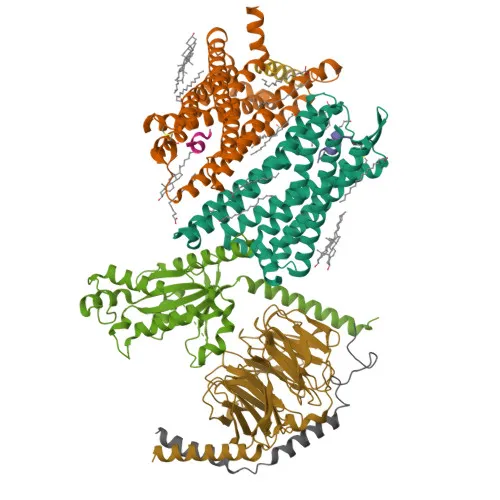
- OPRD1 encodes the delta-type opioid receptor, a G protein-coupled receptor (GPCR) that belongs to the opioid receptor family.
- Upon binding endogenous enkephalins or exogenous opioids, it triggers G protein signaling, primarily inhibiting adenylate cyclase activity and reducing cAMP levels.
- This receptor also modulates ion channels: it reduces calcium ion currents and increases potassium ion conductance, leading to inhibition of neurotransmitter release.
- OPRD1 is critically involved in the perception of pain and mediates opioid-induced analgesia; it also plays a role in the development of analgesic tolerance to morphine.
- The protein is localized at the cell membrane, consistent with its function as a transmembrane receptor.
- It is expressed in various brain regions including the cortex, hypothalamus, hippocampus, and olfactory bulb, and has been detected in oocytes.
- Post-translational modifications include glycosylation, palmitoylation, and disulfide bond formation, which are critical for receptor folding and function.
Experimental Guidance and Technical Tips
- The immunogen corresponds to the N-terminal region (aa 1–100), which may be suitable for detecting both unmodified and certain post-translationally modified forms of OPRD1; however, epitope accessibility should be validated in the relevant sample system.
- For Western blot, a band of approximately 40 kDa is expected; use appropriate cell or tissue lysates known to express OPRD1, such as brain tissue or neuronal cell lines.
- This antibody can be employed in ELISA as either a capture or detection antibody; consider pairing with a validated antibody pair for optimal sandwich ELISA development.
- Given the reported cross-reactivity with mouse and rat, verify specificity in your species of interest, especially in brain tissue where homologous opioid receptors are expressed.
CamelBio: Your One-Stop Sourcing Bridge
CamelBio serves as a comprehensive procurement partner for diagnostic manufacturers and research laboratories, providing rapid access to validated IVD raw materials including monoclonal antibodies like this anti-OPRD1 clone. Whether you need optimized antibody pairs, bulk ancillary reagents, or rare target raw-material sourcing, CamelBio streamlines the supply chain from concept to clinic. Our portfolio supports diverse research areas such as pain biology and GPCR signaling.
REQUEST A QUOTE
Our professional team will reply to you within one business day. Please feel free to contact us!