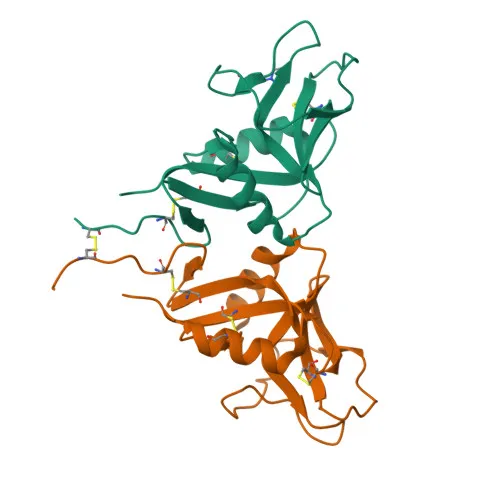
Polyclonal Antibodies
Anti-OLR1 Rabbit Polyclonal Antibody for WB, ELISA - P78380
Item Number : CM0014440
Price varies based on specs and customizations
- Application
- WB, ELISA
- Cross Reactivity
- Mouse
- Protein Weight
- 31kDa

Shipping:
Contact us to get shipping details Enjoy On-time Dispatch Guarantee.
Why Choose Us
Easy ordering process, quality products, and dedicated support for your business success.
Core Product Specifications and Parameters
| Parameter | Description |
|---|---|
| Product Name | OLR1 Rabbit pAb |
| Remarks/Alias | LOX1; LOXIN; SLOX1; CLEC8A; SCARE1; OLR1 |
| Species | Human |
| GeneID (Human) | 4973 |
| Immunogen | Synthetic peptide corresponding to a sequence within amino acids 1-100 of human OLR1 (NP_002534.1) |
| Source | Rabbit |
| Category | Polyclonal Antibodies |
| Application | WB, ELISA |
| Cross Reactivity | Mouse |
| SWISS | P78380 |
| Protein Weight | 31kDa |
| Shipping | Ice bag |
Biological Background: Oxidized Low-Density Lipoprotein Receptor 1 (OLR1) Function and Localization
- Official full name: Oxidized low-density lipoprotein receptor 1, also known as LOX-1, C-type lectin domain family 8 member A, and lectin-like oxidized LDL receptor 1; encoded by the OLR1 gene.
- Serves as the principal receptor for recognizing, internalizing, and degrading oxidatively modified LDL (oxLDL) on vascular endothelial cells, a key event in atherosclerotic plaque initiation.
- Binding of oxLDL activates NF-kappa-B via intracellular reactive oxygen species, promoting pro-inflammatory responses, reduced nitric oxide bioavailability, monocyte adhesion, and endothelial apoptosis.
- Functions additionally as a receptor for HSP70, enabling antigen cross-presentation in dendritic cells, and acts as a leukocyte adhesion molecule during endotoxin-induced inflammation.
- Recognizes diverse ligands including advanced glycation end products, activated platelets, monocytes, apoptotic cells, and both Gram-positive and Gram-negative bacteria; may also serve as a receptor for Neisseria meningitidis adhesin A.
- Localizes primarily to the cell membrane and membrane rafts; a secreted form is also detected. Highly expressed in endothelial cells and vascular-rich tissues (placenta, lung, liver, brain, aortic intima) as well as dendritic cells.
- Undergoes alternative splicing; contains a coiled-coil domain, disulfide bonds, and is modified by palmitoylation and N-linked glycosylation, consistent with its classification as a transmembrane glycoprotein.
Experimental Guidance and Technical Tips
- The immunogen is a synthetic peptide spanning amino acids 1-100 of human OLR1; consider using peptide competition assays to confirm antibody specificity in your system.
- For Western blot, protein lysates from placenta, lung, or liver—tissues with high OLR1 expression—may serve as positive controls; molecular weight is approximately 31 kDa.
- ELISA protocols may benefit from optimizing coating antigen and antibody dilutions using recombinant OLR1 protein or peptide standards.
- Cross-reactivity with mouse OLR1 is reported; validate performance if planning to analyze mouse samples alongside human ones.
CamelBio: Your One-Stop Sourcing Bridge
CamelBio empowers diagnostic manufacturers and research labs by providing a comprehensive suite of IVD raw materials, including this OLR1 polyclonal antibody for atherosclerosis and cardiovascular biomarker studies. We offer validated antibody pairs, optimized monoclonal/polyclonal antibodies, bulk ancillary reagents, and sourcing of rare-target raw materials to streamline your assay development from concept to clinic. Partner with us to secure reliable, high-quality materials tailored to your next-generation diagnostic workflows.
REQUEST A QUOTE
Our professional team will reply to you within one business day. Please feel free to contact us!