Polyclonal Antibodies
Anti-OLR1 Polyclonal Antibody for WB, ELISA - P78380
Item Number : CM0019370
Price varies based on specs and customizations
- Application
- WB, ELISA
- Cross Reactivity
- Human, Mouse
- Protein Weight
- 31kDa

Shipping:
Contact us to get shipping details Enjoy On-time Dispatch Guarantee.
Why Choose Us
Easy ordering process, quality products, and dedicated support for your business success.
Core Product Specifications and Parameters
| Parameter | Value |
|---|---|
| Product Name | OLR1 Rabbit pAb |
| Remarks/Alias | LOX1; LOXIN; SLOX1; CLEC8A; SCARE1; OLR1 |
| Species | Human |
| Gene ID | 4973 (human) |
| Immunogen | Recombinant fusion protein containing a sequence corresponding to amino acids 58-273 of human OLR1 (NP_002534.1) |
| Source | Rabbit |
| Category | Polyclonal Antibodies |
| Application | WB, ELISA |
| Cross Reactivity | Human, Mouse |
| SWISS | P78380 |
| Protein Weight | 31kDa |
| Shipping | Ice bag |
Biological Background: Oxidized Low-Density Lipoprotein Receptor 1 Function and Localization
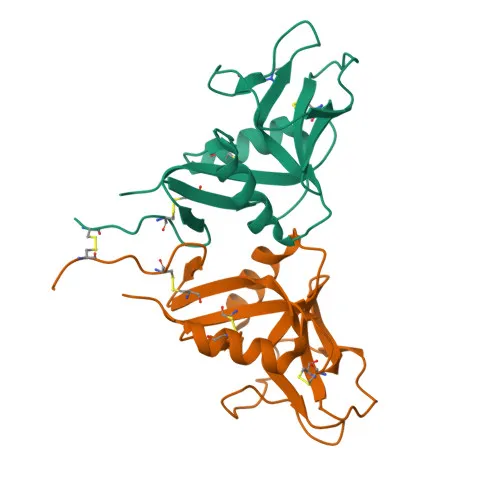
- OLR1 (Oxidized low-density lipoprotein receptor 1), also known as LOX-1, is a C-type lectin receptor that mediates the recognition, internalization, and degradation of oxidized LDL (oxLDL) in vascular endothelial cells.
- Binding of oxLDL triggers intracellular reactive oxygen species production, leading to NF-kappa-B activation and pro-inflammatory responses, including reduced nitric oxide release and increased monocyte adhesion.
- In addition to oxLDL, OLR1 functions as a receptor for HSP70, advanced glycation end products (AGEs), activated platelets, monocytes, apoptotic cells, and both Gram-positive and Gram-negative bacteria.
- It is involved in antigen cross-presentation to naive T cells in dendritic cells and acts as a leukocyte-adhesion molecule during endotoxin-induced inflammation.
- Encoded by the OLR1 gene (Gene ID: 4973), the receptor exhibits alternative splicing and contains a C-type lectin domain, a coiled-coil region, and a transmembrane helix.
- Subcellularly, OLR1 localizes to the cell membrane and membrane rafts, with a soluble form also secreted; it is subject to post-translational modifications including glycosylation and palmitoylation.
- OLR1 is highly expressed in endothelial cells and vascular-rich tissues such as placenta, lung, liver, and brain, with widespread lower expression in other tissues.
Experimental Guidance and Technical Tips
- For Western blot, consider using reducing conditions and a loading control; the predicted molecular weight is approximately 31 kDa, but glycosylation may result in a higher apparent molecular weight.
- In ELISA, verify coating conditions and consider a standard curve using recombinant OLR1 protein for accurate quantitation.
- Cross-reactivity with human and mouse suggests suitability for both species, but validation in the specific experimental system is recommended.
- Since OLR1 is expressed in endothelial cells, HUVECs or mouse aortic tissue may serve as positive controls.
CamelBio: Your One-Stop Sourcing Bridge
CamelBio provides diagnostic manufacturers and researchers with integrated access to IVD raw materials, including validated antibody pairs and bulk ancillary reagents. This OLR1 antibody supports cardiovascular and inflammatory disease research, and CamelBio can assist in sourcing optimized monoclonal/polyclonal antibodies and rare-target reagents to accelerate your assay development.
REQUEST A QUOTE
Our professional team will reply to you within one business day. Please feel free to contact us!