Polyclonal Antibodies
Anti-Occludin Rabbit Polyclonal Antibody for WB, IF/ICC, IF-P, IHC-P, ELISA - Q16625
Item Number : CM0030566
Price varies based on specs and customizations
- Application
- WB, IF/ICC, IF-P, IHC-P, ELISA
- Cross Reactivity
- Human, Mouse, Rat
- Protein Weight
- 59kDa

Shipping:
Contact us to get shipping details Enjoy On-time Dispatch Guarantee.
Why Choose Us
Easy ordering process, quality products, and dedicated support for your business success.
Core Product Specifications and Parameters
| Parameter | Value |
|---|---|
| Product Name | Occludin Rabbit pAb |
| Remarks/Alias | BLCPMG; PTORCH1; PPP1R115; Occludin |
| Species | Human |
| GeneID (Human) | 100506658 |
| GeneID | 100506658 |
| Immunogen | Recombinant fusion protein containing a sequence corresponding to amino acids 400-522 of human Occludin (NP_002529.1) |
| Source | Rabbit |
| Category | Polyclonal Antibodies |
| Application | WB, IF/ICC, IF-P, IHC-P, ELISA |
| Cross Reactivity | Human, Mouse, Rat |
| SWISS | Q16625 |
| Protein Weight | 59kDa |
| Shipping | Ice bag |
Biological Background: Occludin Function and Localization
- Occludin is a tight junction integral membrane protein encoded by the OCLN gene; alternative splicing produces multiple isoforms that contribute to junctional diversity and regulation (Keywords: Alternative splicing).
- It functions as a critical component of the paracellular permeability barrier, directly mediating cell-cell adhesion when expressed in cells lacking tight junctions.
- Subcellularly, occludin localizes to the cell membrane at tight junctions, interacting with the junctional complex to maintain epithelial and endothelial barrier integrity.
- Tissue distribution includes high expression in kidney and broad presence at tight junctions of both epithelial and endothelial cells; expression is notably absent in testis.
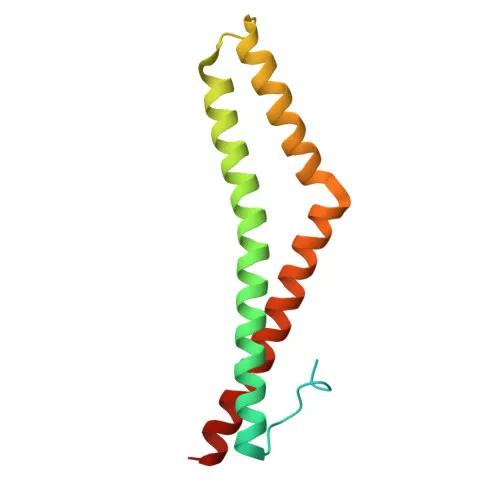
- Occludin contains transmembrane helices and a coiled-coil domain, hallmarks of tight junction proteins that facilitate membrane integration and protein-protein interactions (Keywords: Coiled coil, Transmembrane, Transmembrane helix).
- Post-translational modifications such as phosphorylation and disulfide bond formation are predicted to regulate its localization and barrier function (Keywords: Phosphoprotein, Disulfide bond).
- In addition to its junctional role, occludin acts as a coreceptor for hepatitis C virus (HCV) entry into hepatocytes, linking it to host-pathogen interactions.
Experimental Guidance and Technical Tips
- The immunogen covers amino acids 400–522 of human occludin; this region’s conservation across species may affect cross-reactivity, so validation in the relevant sample system is advised.
- For immunofluorescence or immunohistochemistry, consider that occludin localization to tight junctions may require optimized permeabilization and fixation protocols.
- Given the high kidney expression, using kidney lysate as a positive control in Western blot experiments may assist in verifying antibody specificity.
- For HCV entry studies, researchers should evaluate the antibody’s performance in hepatocyte models, as occludin’s coreceptor function may involve distinct conformational states.
CamelBio: Your One-Stop Sourcing Bridge
CamelBio is your dedicated one-stop platform for IVD raw materials, offering streamlined access to validated antibody pairs, optimized monoclonal and polyclonal antibodies, bulk ancillary reagents, and rare-target sourcing for tight junction and cell-barrier research. Whether you require diagnostic antibodies for permeability studies or specialized raw materials for HCV-related assays, our supply capabilities are designed to support manufacturers and laboratories from concept to clinic.
Product Datasheet
Anti-Occludin Rabbit Polyclonal Antibody for WB, IF/ICC, IF-P, IHC-P, ELISA - Q16625
REQUEST A QUOTE
Our professional team will reply to you within one business day. Please feel free to contact us!