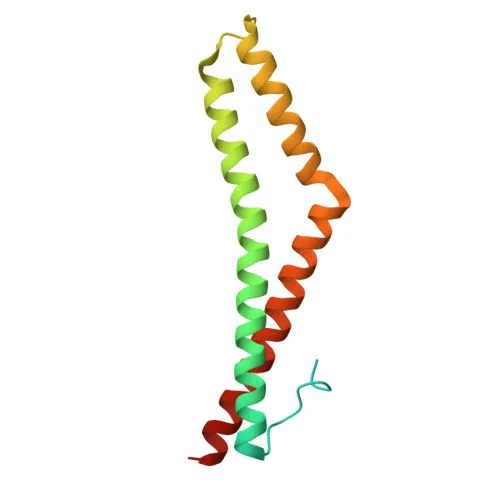
Monoclonal Antibodies
Anti-Occludin Monoclonal Antibody for WB, IF-P, IHC-P, ELISA - Q16625
Item Number : CM0007506
Price varies based on specs and customizations
- Application
- WB, IF-P, IHC-P, ELISA
- Cross Reactivity
- Human, Mouse, Rat
- Protein Weight
- 59kDa

Shipping:
Contact us to get shipping details Enjoy On-time Dispatch Guarantee.
Why Choose Us
Easy ordering process, quality products, and dedicated support for your business success.
Core Product Specifications and Parameters
| Parameter | Value |
|---|---|
| Product Name | Occludin Rabbit mAb |
| Remarks/Alias | BLCPMG; PTORCH1; PPP1R115; Occludin |
| Species | Human |
| Gene ID (Human) | 100506658 |
| Gene ID | 100506658 |
| Immunogen | Recombinant protein corresponding to a sequence within amino acids 405-522AA of human Occludin (NP_001192183.1) |
| Source | Rabbit |
| Category | Monoclonal Antibodies |
| Application | WB, IF-P, IHC-P, ELISA |
| Cross Reactivity | Human, Mouse, Rat |
| SWISS | Q16625 |
| Protein Weight | 59kDa |
| Shipping | Ice bag |
Biological Background: Occludin Function and Localization
- Occludin is an ~59 kDa integral membrane protein encoded by the OCLN gene, with multiple isoforms generated through alternative splicing.
- It is a core component of tight junctions, where it regulates paracellular permeability and can induce cell adhesion when expressed in cells initially lacking tight junctions.
- Occludin also functions as a coreceptor for hepatitis C virus (HCV) entry into hepatocytes.
- Subcellularly, it localizes to the cell membrane and is specifically enriched at tight junction complexes at cell-cell contacts.
- Tissue expression is prominent in epithelial and endothelial tight junctions, with high levels in the kidney and absence in testis.
- The protein contains coiled-coil domains, disulfide bonds, and transmembrane helices, and undergoes post-translational modifications including phosphorylation.
- Genetic variations in OCLN have been associated with human diseases, highlighting its physiological importance.
Experimental Guidance and Technical Tips
- The immunogen was designed from a region (amino acids 405-522) of human Occludin, potentially conferring specificity to conserved epitopes; validate in the relevant sample system.
- For Western blot (WB), anticipate a band near 59 kDa; consider using positive controls such as kidney or epithelial cell lysates.
- For immunofluorescence (IF-P) and immunohistochemistry (IHC-P), tissues with high tight junction density (e.g., kidney, intestine) are recommended; optimize fixation and permeabilization conditions.
- This antibody cross-reacts with mouse and rat Occludin, making it suitable for comparative studies across these species; however, verify performance in each species' sample context.
- ELISA applications may require optimization of coating antigen and antibody concentration; recombinant Occludin or peptide standards can be used for validation.
CamelBio: Your One-Stop Sourcing Bridge
CamelBio provides diagnostic manufacturers and research labs with streamlined access to high-quality IVD raw materials like this anti-Occludin monoclonal antibody. Our portfolio includes validated antibody pairs, optimized monoclonal and polyclonal antibodies, and bulk ancillary reagents tailored for tight junction and epithelial barrier research. Whether you need routine supply or rare target raw-material sourcing, CamelBio supports your development from concept to clinic with reliable B2B supply solutions.
Product Datasheet
Anti-Occludin Monoclonal Antibody for WB, IF-P, IHC-P, ELISA - Q16625
REQUEST A QUOTE
Our professional team will reply to you within one business day. Please feel free to contact us!