Polyclonal Antibodies
Anti-OAT Rabbit Polyclonal Antibody for WB, IHC-P, IP, ELISA - P04181
Item Number : CM0026423
Price varies based on specs and customizations
- Application
- WB, IHC-P, IP, ELISA
- Cross Reactivity
- Human, Mouse, Rat
- Protein Weight
- 49kDa

Shipping:
Contact us to get shipping details Enjoy On-time Dispatch Guarantee.
Why Choose Us
Easy ordering process, quality products, and dedicated support for your business success.
Core Product Specifications and Parameters
| Parameter | Specification |
|---|---|
| Product Name | OAT Rabbit pAb |
| Remarks/Alias | OKT; GACR; HOGA; OATASE; OAT |
| Species | Human |
| Gene ID (Human) | 4942 |
| Gene ID | 4942 |
| Immunogen | Recombinant protein |
| Source | Rabbit |
| Category | Polyclonal Antibodies |
| Application | WB, IHC-P, IP, ELISA |
| Cross Reactivity | Human, Mouse, Rat |
| SWISS | P04181 |
| Protein Weight | 49kDa |
| Shipping | Ice bag |
Biological Background: OAT Function and Localization
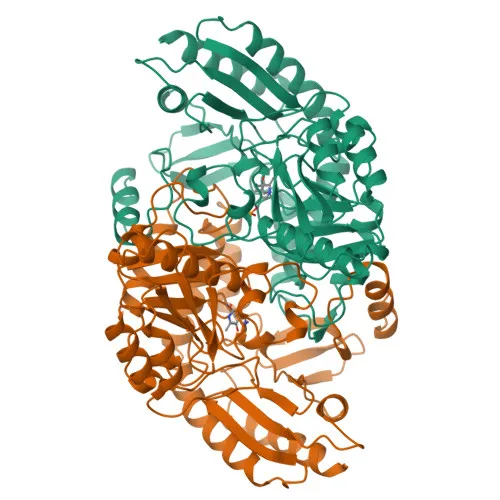
- Ornithine aminotransferase (OAT), also known as ornithine delta-aminotransferase, is a mitochondrial enzyme encoded by the OAT gene in humans.
- OAT catalyzes the reversible interconversion of L-ornithine and 2-oxoglutarate to L-glutamate semialdehyde and L-glutamate, a key step in arginine and proline metabolism.
- Predominantly localized to the mitochondrial matrix, where it contributes to the urea cycle and amino acid homeostasis.
- Belongs to the class-III pyridoxal-phosphate-dependent aminotransferase family, utilizing pyridoxal phosphate as a cofactor.
- Undergoes alternative splicing, producing multiple isoforms that may have distinct functional roles.
- Post-translational modifications include acetylation, which can regulate enzyme activity and stability.
Experimental Guidance and Technical Tips
- For western blotting (WB), expect a band at approximately 49 kDa; use reducing conditions and appropriate positive controls (e.g., liver or kidney lysates) to confirm specificity.
- In immunohistochemistry (IHC-P), antigen retrieval (heat- or enzyme-based) may be necessary; validate with known positive (e.g., kidney tubules) and negative controls.
- For immunoprecipitation (IP), titrate the antibody carefully to avoid heavy-chain interference; use a protein A/G resin for binding.
- In ELISA, optimize coating antigen and antibody dilutions; include standard curves and reference samples for quantitative analysis.
- As a polyclonal antibody, lot-to-lot consistency should be monitored when switching batches; consider reserving a reference lot for critical experiments.
CamelBio: Your One-Stop Sourcing Bridge
CamelBio offers streamlined access to premium IVD raw materials, including validated antibody pairs, recombinant proteins, and ancillary reagents. Our OAT rabbit polyclonal antibody supports research in amino acid metabolism, mitochondrial disorders, and related disease areas. From bulk antibody supply to rare target sourcing, CamelBio’s integrated procurement solutions help diagnostic developers and labs accelerate from concept to clinic.
Product Datasheet
Anti-OAT Rabbit Polyclonal Antibody for WB, IHC-P, IP, ELISA - P04181
REQUEST A QUOTE
Our professional team will reply to you within one business day. Please feel free to contact us!