Monoclonal Antibodies
Anti-OAT Monoclonal Antibody for WB, IF/ICC, IF-P, IHC-P, ELISA - P04181
Item Number : CM0009154
Price varies based on specs and customizations
- Application
- WB, IF/ICC, IF-P, IHC-P, ELISA
- Cross Reactivity
- Human, Mouse, Rat
- Protein Weight
- 49kDa

Shipping:
Contact us to get shipping details Enjoy On-time Dispatch Guarantee.
Why Choose Us
Easy ordering process, quality products, and dedicated support for your business success.
Core Product Specifications and Parameters
| Parameter | Value |
|---|---|
| Product Name | [KD Validated] OAT Rabbit mAb |
| Remarks/Alias | OKT; GACR; HOGA; OATASE |
| Species | Human |
| Gene ID (Human) | 4942 |
| Gene ID | 4942 |
| Immunogen | Recombinant protein|Recombinant fusion protein containing a sequence corresponding to amino acids 160-439 of human OAT (NP_000265.1). |
| Source | Rabbit |
| Category | Monoclonal Antibodies |
| Application | WB, IF/ICC, IF-P, IHC-P, ELISA |
| Cross Reactivity | Human, Mouse, Rat |
| SWISS | P04181 |
| Protein Weight | 49kDa |
| Shipping | Ice bag |
Biological Background: OAT Function and Localization
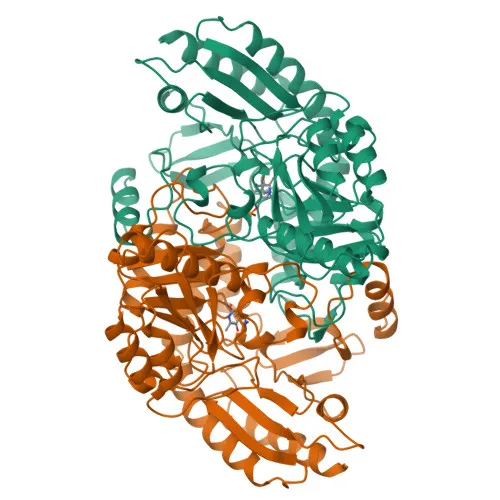
- OAT encodes mitochondrial ornithine aminotransferase, a pyridoxal phosphate-dependent enzyme belonging to the class-III aminotransferase family.
- It catalyzes the reversible transamination of L-ornithine and 2-oxoglutarate to L-glutamate semialdehyde and L-glutamate, a key step in proline biosynthesis and arginine/ornithine metabolism.
- The protein localizes to the mitochondrial matrix, where it participates in nitrogen metabolism and the urea cycle.
- Alternative splicing generates multiple transcript variants, potentially contributing to functional diversity.
- Post-translational modifications include acetylation, which may regulate enzymatic activity or stability.
- Genetic variants in OAT are associated with gyrate atrophy of the choroid and retina, highlighting its clinical relevance in amino acid metabolism disorders.
Experimental Guidance and Technical Tips
- The immunogen covers the C-terminal region (amino acids 160-439), which contains the catalytic domain; consider epitope accessibility in your assay design.
- For Western blot, a band around 49 kDa is expected; always include appropriate molecular weight markers and verify with known positive controls.
- When using immunofluorescence or immunohistochemistry, confirm mitochondrial localization and optimize fixation/permeabilization conditions for your sample type.
- Cross-reactivity with mouse and rat has been observed; validate performance in your specific species and tissue context before routine use.
CamelBio: Your One-Stop Sourcing Bridge
CamelBio offers diagnostic manufacturers and research laboratories a streamlined path to IVD raw materials, including validated monoclonal antibodies like this anti-OAT clone. Whether you need bulk quantities, matched antibody pairs, or ancillary reagents for amino acid metabolism or mitochondrial research, our supply chain services can help accelerate your development. Contact us to discuss sourcing options tailored to your project requirements.
REQUEST A QUOTE
Our professional team will reply to you within one business day. Please feel free to contact us!