Polyclonal Antibodies
Anti-NTSR1 Polyclonal Antibody for WB and ELISA - P30989
Item Number : CM0028068
Price varies based on specs and customizations
- Application
- WB, ELISA
- Cross Reactivity
- Human, Mouse
- Protein Weight
- 46kDa

Shipping:
Contact us to get shipping details Enjoy On-time Dispatch Guarantee.
Why Choose Us
Easy ordering process, quality products, and dedicated support for your business success.
Core Product Specifications and Parameters
| Parameter | Value |
|---|---|
| Product Name | NTSR1 Rabbit pAb |
| Remarks/Alias | NTR; NTSR1 |
| Species | Human |
| Gene ID (Human) | 4923 |
| Gene ID | 4923 |
| Immunogen | Recombinant fusion protein containing a sequence corresponding to amino acids 1-70 of human NTSR1 (NP_002522.2). |
| Source | Rabbit |
| Category | Polyclonal Antibodies |
| Application | WB, ELISA |
| Cross Reactivity | Human, Mouse |
| SWISS | P30989 |
| Protein Weight | 46kDa |
| Shipping | Ice bag |
Biological Background: NTSR1 Function and Localization
- NTSR1, also known as neurotensin receptor type 1 or NTRH, is a high-affinity levocabastine-insensitive neurotensin receptor encoded by the NTSR1 gene.
- NTSR1 functions as a G protein-coupled receptor for the tridecapeptide neurotensin (NTS). Upon binding, it activates a phosphatidylinositol-calcium second messenger system, leading to downstream MAP kinase activation and protection against apoptosis. Related references: PMID:21725197 PMID:23140271 PMID:8381365
- It belongs to the G protein-coupled receptor (GPCR) family and possesses seven transmembrane helices, typical of this receptor class.
- The receptor is localized at the cell membrane and is enriched in membrane rafts, facilitating signaling compartmentalization.
- At the protein level, NTSR1 is expressed in the prostate, with lower detection in colon and peripheral blood mononuclear cells; brain expression is very low.
- Post-translational modifications include glycosylation and palmitoylation, and the receptor contains structural disulfide bonds.
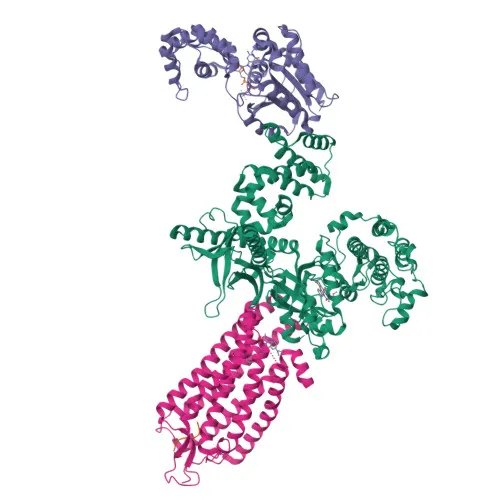
- The protein has a calculated molecular weight of approximately 46 kDa (46259 Da), and its three-dimensional structure has been resolved.
Experimental Guidance and Technical Tips
- The immunogen corresponds to the N-terminal extracellular region (amino acids 1–70), which may favor detection of the cell surface receptor in native contexts.
- For Western blot, anticipate a band around 46 kDa; note that glycosylation may cause a slight upward shift in apparent molecular weight. Validate in relevant human and mouse tissue lysates, such as prostate or colon.
- In ELISA applications, the antibody can serve as capture or detection reagent; optimize coating and blocking conditions for best signal-to-noise ratio.
- Cross-reactivity with human and mouse is indicated; consider sequence alignment between species for experimental design.
CamelBio: Your One-Stop Sourcing Bridge
CamelBio is your one-stop sourcing partner for IVD raw materials, providing validated antibody pairs, optimized polyclonal and monoclonal antibodies, and bulk ancillary reagents. For neurotensin receptor and GPCR research, we support your pipeline from concept to clinic with rare-target raw materials, including anti-NTSR1 antibodies, ensuring continuity and scalability.
REQUEST A QUOTE
Our professional team will reply to you within one business day. Please feel free to contact us!