Polyclonal Antibodies
Anti-NTRK1/NTRK2/NTRK3 Polyclonal Antibody for WB, IF/ICC, ELISA - P04629/Q16620/Q16288
Item Number : CM0020772
Price varies based on specs and customizations
- Application
- WB, IF/ICC, ELISA
- Cross Reactivity
- Human, Mouse, Rat
- Species
- Human

Shipping:
Contact us to get shipping details Enjoy On-time Dispatch Guarantee.
Why Choose Us
Easy ordering process, quality products, and dedicated support for your business success.
Core Product Specifications and Parameters
| Parameter | Specification |
|---|---|
| Product Name | NTRK1/NTRK2/NTRK3 Rabbit pAb |
| Species | Human |
| GeneID (Human) | 4914/4915/4916 |
| GeneID | 4914/4915/4916 |
| Immunogen | Synthetic peptide corresponding to a sequence within amino acids 700-796 of human NTRK1/NTRK2/NTRK3 (NP_002520.2) |
| Source | Rabbit |
| Category | Polyclonal Antibodies |
| Application | WB, IF/ICC, ELISA |
| Cross Reactivity | Human, Mouse, Rat |
| SWISS | P04629/Q16620/Q16288 |
| Shipping | Ice bag |
Biological Background: NTRK1/NTRK2/NTRK3 Function and Localization
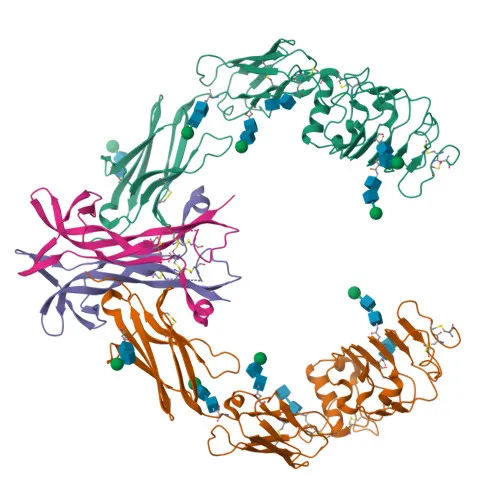
- Encodes a receptor tyrosine kinase that serves as the high-affinity receptor for nerve growth factor (NGF), playing a pivotal role in the development and maturation of the central and peripheral nervous systems through regulation of neuronal proliferation, differentiation, and survival. Related references: PMID:1281417, PMID:15488758, PMID:17196528
- Upon NGF binding, NTRK1 undergoes dimerization and autophosphorylation, recruiting SHC1, FRS2, SH2B1/2, PLCG1, and activating downstream cascades (Ras-MAPK, PI3K-AKT, NF-κB) that govern cell survival and differentiation.
- The gene gives rise to multiple isoforms via alternative splicing: TrkA-I (widely expressed in non-neuronal tissues), TrkA-II (neuronal), and TrkA-III (pluripotent neural stem/progenitor cells), which lacks kinase activity and exhibits oncogenic properties when overexpressed.
- NTRK1 localizes to the cell membrane and dynamically traffics through early, late, and recycling endosomes, consistent with its role in signal regulation and receptor turnover.
- As a member of the neurotrophin receptor family, NTRK1 is structurally and functionally related to NTRK2 (TrkB, high-affinity BDNF/NT-4 receptor) and NTRK3 (TrkC, high-affinity NT-3 receptor), which share conserved kinase domains and overlapping signaling pathways in neuronal development.
- Post-translational modifications include N-glycosylation, disulfide bond formation, and phosphorylation on multiple tyrosine residues, which are critical for kinase activation and substrate docking. Mutations and chromosomal rearrangements involving NTRK1 are implicated in congenital insensitivity to pain and various cancers.
Experimental Guidance and Technical Tips
- The immunogen corresponds to a synthetic peptide spanning amino acids 700–796 of human NTRK1 (NP_002520.2), a C‑terminal region conserved across NTRK1, NTRK2, and NTRK3. This design supports recognition of the intracellular domain of all three receptors, making the antibody suitable for detecting total protein levels by western blot and for immunofluorescence/ELISA applications.
- Cross‑reactivity with NTRK2 and NTRK3 is anticipated due to epitope conservation; however, we recommend verifying specificity in your target‑specific knockout or knockdown models.
- For western blotting, consider an initial dilution range of 1:500–1:2000 and optimize according to sample type and detection system. Always include appropriate positive and negative controls.
- For IF/ICC, include a permeabilization step to allow access to the intracellular epitope; fixation and permeabilization conditions may require optimization for your cell line.
- When working with mouse or rat samples, remember that the immunogen is human‑derived; while cross‑reactivity has been reported, signal intensity may vary, and species‑specific validation is advised.
CamelBio: Your One-Stop Sourcing Bridge
CamelBio offers a streamlined sourcing experience for diagnostic manufacturers and laboratories seeking high‑quality raw materials for neurotrophin signaling‑focused assay development. Our portfolio includes validated antibody pairs, optimized rabbit polyclonal antibodies like this one, bulk ancillary reagents, and custom‑sourcing for rare targets, enabling a one‑stop transition from concept to clinic.
Product Datasheet
Anti-NTRK1/NTRK2/NTRK3 Polyclonal Antibody for WB, IF/ICC, ELISA - P04629/Q16620/Q16288
REQUEST A QUOTE
Our professional team will reply to you within one business day. Please feel free to contact us!