Monoclonal Antibodies
Anti-NTH1 Rabbit Monoclonal Antibody for WB, ELISA - P78549
Item Number : CM0003171
Price varies based on specs and customizations
- Application
- WB, ELISA
- Cross Reactivity
- Human
- Protein Weight
- 34kDa

Shipping:
Contact us to get shipping details Enjoy On-time Dispatch Guarantee.
Why Choose Us
Easy ordering process, quality products, and dedicated support for your business success.
Core Product Specifications and Parameters
| Parameter | Value |
|---|---|
| Product Name | NTH1 Rabbit mAb |
| Remarks/Alias | FAP3; NTH1; OCTS3; hNTH1 |
| Species | Human |
| GeneID (Human) | 4913 |
| GeneID | 4913 |
| Immunogen | Recombinant protein (Recombinant fusion protein containing a sequence corresponding to amino acids 1-136 of human NTH1 (NP_002519.1)) |
| Source | Rabbit |
| Category | Monoclonal Antibodies |
| Application | WB, ELISA |
| Cross Reactivity | Human |
| SWISS | P78549 |
| Protein Weight | 34kDa |
| Shipping | Ice bag |
Biological Background: NTH1 Function and Localization
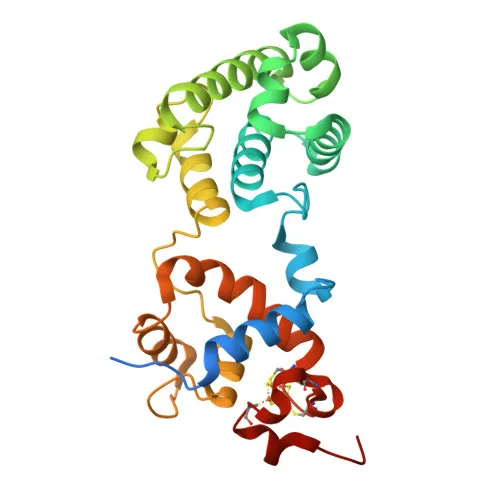
- NTH1 (also designated NTHL1, FAP3, OCTS3) is a bifunctional DNA glycosylase/AP lyase encoded by the NTHL1 gene in humans.
- It plays a critical role in base excision repair (BER), the primary pathway for repairing oxidative DNA damage. The DNA N-glycosylase activity excises damaged bases, and the AP‑lyase activity cleaves the DNA backbone. Related references: PMID:29610152, PMID:9927729
- NTH1 primarily recognizes and repairs oxidative base damage of pyrimidines, and also exhibits 8‑oxo‑7,8‑dihydroguanine (8‑oxoG) DNA glycosylase activity, acting preferentially on lesions opposite guanine residues.
- It can process DNA damage within nucleosomes without requiring or inducing nucleosome disruption, enabling access to lesions in a chromatin context.
- NTH1 localizes to both the nucleus and the mitochondrion, consistent with its role in genomic and mitochondrial DNA repair.
- Widely expressed, with highest levels in heart and lowest in lung and liver.
- Keywords: 3D‑structure, 4Fe‑4S, alternative initiation, phosphoprotein, ubiquitination, hydrolase, lyase, DNA damage, DNA repair.
Experimental Guidance and Technical Tips
- This recombinant rabbit monoclonal antibody is suitable for Western blot (WB) and ELISA. Detection of endogenous NTH1 at ~34 kDa may be achieved in human cell or tissue lysates; consider using whole‑cell extracts from heart or other high‑expression tissues.
- The immunogen corresponds to the N‑terminal 136 amino acids, which includes part of the catalytic domain. For competition or blocking assays, the recombinant protein region can be employed.
- For ELISA, the antibody may be used as a capture or detection reagent; optimize coating concentrations and detection conditions in your experimental system.
- Because NTH1 functions in BER, its expression can be modulated by oxidative stress; treatment with DNA‑damaging agents may enhance signal in low‑expression contexts.
- Always include appropriate positive and negative controls, such as recombinant protein or knockout lysates, to confirm antibody specificity.
CamelBio: Your One‑Stop Sourcing Bridge
CamelBio provides diagnostic manufacturers, laboratories, and research institutes with one‑stop access to IVD raw materials, technical services, and consulting—covering every stage from concept to clinic. This anti‑NTH1 rabbit monoclonal antibody supports DNA repair research and biomarker development, fitting into broader genomic stability and oncology applications. We offer validated antibody pairs, optimized monoclonal/polyclonal antibodies, bulk ancillary reagents, and specialized sourcing for rare‑target raw materials to accelerate your assay development pipeline.
REQUEST A QUOTE
Our professional team will reply to you within one business day. Please feel free to contact us!