Monoclonal Antibodies
Anti-NSDHL Monoclonal Antibody for WB, ELISA - Q15738
Item Number : CM0003200
Price varies based on specs and customizations
- Application
- WB, ELISA
- Cross Reactivity
- Human
- Protein Weight
- 42kDa

Shipping:
Contact us to get shipping details Enjoy On-time Dispatch Guarantee.
Why Choose Us
Easy ordering process, quality products, and dedicated support for your business success.
Core Product Specifications and Parameters
| Parameter | Value |
|---|---|
| Product Name | NSDHL Rabbit mAb |
| Remarks/Alias | H105E3; XAP104; SDR31E1; NSDHL |
| Species | Human |
| GeneID | 50814 |
| Immunogen | Recombinant fusion protein containing a sequence corresponding to amino acids 50-150 of human NSDHL (NP_057006.1) |
| Source | Rabbit |
| Category | Monoclonal Antibodies |
| Application | WB, ELISA |
| Cross Reactivity | Human |
| SWISS | Q15738 |
| Protein Weight | 42kDa |
| Shipping | Ice bag |
Biological Background: NSDHL Function and Localization
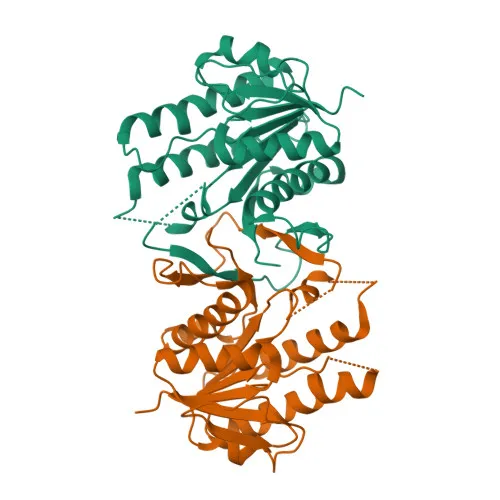
- NSDHL (sterol-4-alpha-carboxylate 3-dehydrogenase, decarboxylating), also known as Protein H105e3, is a 41.9 kDa enzyme encoded by the NSDHL gene (GeneID: 50814) on the X chromosome.
- It catalyzes the NAD(P)(+)-dependent oxidative decarboxylation of the C4 methyl groups of 4-alpha-carboxysterols, an essential step in post-squalene cholesterol biosynthesis.
- Subcellularly, NSDHL localizes primarily to the endoplasmic reticulum membrane and lipid droplets, consistent with its role in sterol and lipid metabolism.
- The enzyme is also reported to play a role in the regulation of endocytic trafficking of the epidermal growth factor receptor (EGFR).
- NSDHL is a multi-pass membrane protein with a predicted transmembrane helix; it belongs to the sterol biosynthesis oxidoreductase family and requires NAD as a cofactor.
- Expression of NSDHL is detected in multiple tissues, including brain, heart, liver, lung, kidney, skin, and placenta.
- Mutations in NSDHL are associated with X-linked chondrodysplasia punctata 2 (CDPX2), a disorder characterized by ichthyosis and intellectual disability, highlighting its clinical relevance in human disease.
Experimental Guidance and Technical Tips
- For western blotting, a band corresponding to NSDHL is expected at approximately 42 kDa; consider using total cell or tissue lysates from human sources known to express NSDHL (e.g., liver, skin).
- The immunogen covers amino acids 50–150 of human NSDHL; verify that the epitope is accessible under denaturing and reducing conditions for WB.
- For ELISA, use recombinant NSDHL protein or peptide as a standard to establish assay conditions; pairing with a detection antibody may require optimization.
- As a rabbit monoclonal antibody, it typically offers high specificity and lot-to-lot consistency; however, each new application should be validated in the relevant sample system.
CamelBio: Your One-Stop Sourcing Bridge
CamelBio provides diagnostic manufacturers and research laboratories with one-stop access to IVD raw materials, technical services, and consulting—from concept to clinic. This NSDHL antibody, targeting a key enzyme in cholesterol biosynthesis, is well-suited for research into metabolic disorders, skin barrier dysfunction, and EGFR trafficking. In addition to validated antibody pairs and bulk reagents, CamelBio supports rare target raw-material sourcing to accelerate your assay development and manufacturing needs.
REQUEST A QUOTE
Our professional team will reply to you within one business day. Please feel free to contact us!