Polyclonal Antibodies
Anti-NSD2/WHSC1 Rabbit Polyclonal Antibody for WB, IHC-P, IF/ICC, ELISA - O96028
Item Number : CM0030375
Price varies based on specs and customizations
- Application
- WB, IHC-P, IF/ICC, ELISA
- Cross Reactivity
- Human, Mouse
- Protein Weight
- 152kDa

Shipping:
Contact us to get shipping details Enjoy On-time Dispatch Guarantee.
Why Choose Us
Easy ordering process, quality products, and dedicated support for your business success.
Core Product Specifications and Parameters
| Parameter | Value |
|---|---|
| Product Name | WHSC1 Rabbit pAb |
| Remarks/Alias | WHS; TRX5; KMT3F; KMT3G; MMSET; RAUST; WHSC1; REIIBP |
| Species | Human |
| GeneID (Human) | 7468 |
| GeneID | 7468 |
| Immunogen | Recombinant fusion protein containing a sequence corresponding to amino acids 1-240 of human WHSC1 (NP_579877.1) |
| Source | Rabbit |
| Category | Polyclonal Antibodies |
| Application | WB, IHC-P, IF/ICC, ELISA |
| Cross Reactivity | Human, Mouse |
| SWISS | O96028 |
| Protein Weight | 152kDa |
| Shipping | Ice bag |
Biological Background: WHSC1/NSD2 Function and Localization
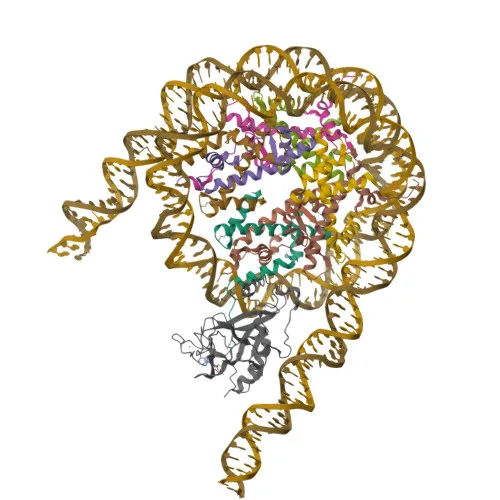
- WHSC1, also known as NSD2, MMSET, or TRX5, is a histone-lysine N-methyltransferase belonging to the nuclear SET domain-containing protein family, encoded by the NSD2 gene in humans.
- It specifically dimethylates nucleosomal histone H3 at Lys36 (H3K36me2) and can monomethylate H3K36 in vitro; it does not catalyze trimethylation at this site.
Related references: PMID:19808676, PMID:22099308, PMID:27571355 - Reports on its ability to methylate H3K27 are conflicting: some studies show mono-, di-, and trimethylation, while others find no activity toward this residue.
Related references: PMID:18172012, PMID:22099308 - It regulates gene transcription during key developmental processes, including heart morphogenesis (via NKX2-5 interaction) and adipogenesis, and influences immune cell differentiation.
Related references: PMID:16115125, PMID:29728617 - Subcellularly, WHSC1 is predominantly nuclear, localizing to chromatin and the nucleolus, with some presence in the cytoplasm.
- WHSC1 is widely expressed, with the highest levels in thymus and testis.
Related references: PMID:18172012, PMID:9618163, PMID:9787135 - The protein features multiple zinc-finger domains, undergoes alternative splicing, and is classified as a proto-oncogene due to its involvement in chromosomal rearrangements driving multiple myeloma.
Experimental Guidance and Technical Tips
- The immunogen targets the N-terminal region (aa 1-240) of human WHSC1, which may allow detection of multiple isoforms. Verify specificity in relevant cell models using knockdown or knockout controls.
- For western blotting, anticipate a band near 152 kDa. Using nuclear protein extracts can enhance signal intensity, given the nuclear enrichment of WHSC1.
- In immunohistochemistry and immunofluorescence, appropriate antigen retrieval and permeabilization are critical. Use tissues such as thymus or testis as positive controls.
- The antibody cross-reacts with mouse, making it suitable for mouse tissue or xenograft studies. Optimize dilutions for each application.
- As a polyclonal antibody, lot-to-lot variability may occur; request lot-specific characterization data from the supplier and include internal reference standards in your assays.
CamelBio: Your One-Stop Sourcing Bridge
CamelBio is your dedicated partner for IVD raw material sourcing, offering a seamless bridge from concept to clinic. This anti-WHSC1 polyclonal antibody supports epigenetics and chromatin biology research, and is part of our extensive inventory that includes validated antibody pairs, monoclonal and polyclonal formats, bulk ancillary reagents, and custom rare target sourcing. Let us help you accelerate your assay development with reliable, high-quality reagents.
Product Datasheet
Anti-NSD2/WHSC1 Rabbit Polyclonal Antibody for WB, IHC-P, IF/ICC, ELISA - O96028
REQUEST A QUOTE
Our professional team will reply to you within one business day. Please feel free to contact us!