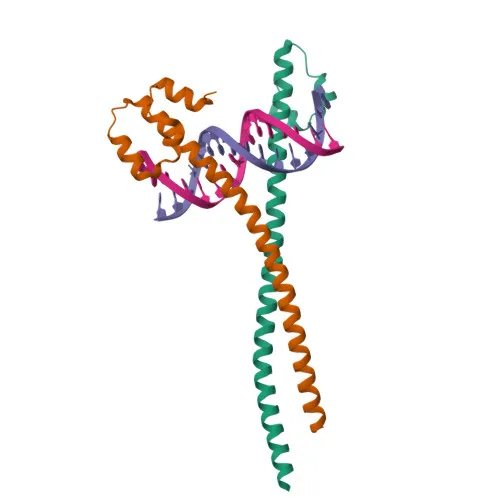
Polyclonal Antibodies
Anti-NRF2 Rabbit Polyclonal Antibody for WB, IF-P, IHC-P, ELISA - Q16236
Item Number : CM0014689
Price varies based on specs and customizations
- Application
- WB, IF-P, IHC-P, ELISA
- Cross Reactivity
- Human, Mouse, Rat
- Protein Weight
- 68kDa

Shipping:
Contact us to get shipping details Enjoy On-time Dispatch Guarantee.
Why Choose Us
Easy ordering process, quality products, and dedicated support for your business success.
Core Product Specifications and Parameters
| Parameter | Value |
|---|---|
| Product Name | NRF2 Rabbit pAb |
| Remarks/Alias | NRF2; HEBP1; Nrf-2; IMDDHH |
| Species | Human |
| GeneID (Human) | 4780 |
| GeneID | 4780 |
| Immunogen | Recombinant protein |
| Source | Rabbit |
| Category | Polyclonal Antibodies |
| Application | WB, IF-P, IHC-P, ELISA |
| Cross Reactivity | Human, Mouse, Rat |
| SWISS | Q16236 |
| Protein Weight | 68kDa |
| Shipping | Ice bag |
Biological Background: NRF2 Function and Localization
-
NRF2 is a transcription factor that binds to antioxidant response elements (ARE) in promoters of cytoprotective genes (e.g., phase 2 detoxifying enzymes) to neutralize reactive electrophiles, playing a central role in cellular redox homeostasis. Related references: PMID:11035812, PMID:19489739, PMID:29018201
-
Under basal conditions, NRF2 is ubiquitinated and degraded in the cytoplasm via the KEAP1-CUL3-RBX1 E3 ubiquitin ligase complex; electrophilic stress inactivates the complex, leading to NRF2 stabilization, nuclear translocation, heterodimerization with small Maf proteins, and ARE-dependent transcription. Related references: PMID:11035812, PMID:15601839, PMID:19489739, PMID:29590092
-
Selective autophagy also triggers NRF2 activation through KEAP1-SQSTM1/p62 interaction, promoting nuclear accumulation and cytoprotective gene expression. Related references: PMID:20452972
-
During the unfolded protein response (UPR), NRF2 contributes to redox homeostasis and cell survival (By similarity).
-
NRF2 is a critical regulator of innate immunity: it suppresses macrophage inflammatory responses by blocking pro-inflammatory cytokine transcription and inhibiting RNA Pol II recruitment at pro-inflammatory gene promoters, independently of ARE motifs and ROS levels (By similarity).
-
NRF2 represses antiviral cytosolic DNA sensing by downregulating STING1 expression, decreasing responsiveness to STING1 agonists and increasing susceptibility to DNA virus infection. Related references: PMID:30158636
-
NRF2 limits release of pro-inflammatory cytokines during SARS-CoV-2 infection and inhibits replication of multiple pathogenic viruses (e.g., HSV-1, HSV-2, Vaccinia, Zika) through a type I interferon-independent mechanism. Related references: PMID:33009401
-
NRF2 is a widely expressed ~68 kDa protein (may run higher due to post-translational modifications) with highest levels in adult muscle, kidney, lung, liver, and fetal muscle; activity is modulated by phosphorylation, acetylation, ubiquitination, and glycation.
Experimental Guidance and Technical Tips
- The immunogen covers amino acids 243–400, encompassing the basic region and leucine zipper domain; consider that this region may enhance detection of the native protein in both denaturing and native conditions.
- For Western blot, a band near 68 kDa is expected (glycosylation or other modifications may cause a slightly higher apparent molecular weight); validate with appropriate positive and negative controls under reducing conditions.
- For immunohistochemistry (IHC) and immunofluorescence (IF), antigen retrieval using citrate buffer and permeabilization (for IF) are recommended; co-staining with a nuclear marker can help confirm NRF2 nuclear translocation upon activation.
- The antibody cross-reacts with mouse and rat NRF2; verify performance in the relevant species tissue or cell lysate.
- For ELISA applications, evaluate as a capture or detection antibody in sandwich immunoassays and confirm specificity against recombinant protein or cell extracts.
CamelBio: Your One-Stop Sourcing Bridge
CamelBio empowers diagnostic manufacturers and research teams with streamlined access to high-quality IVD raw materials, including validated antibody pairs, monoclonal and polyclonal antibodies, and bulk ancillary reagents. This NRF2 polyclonal antibody supports oxidative stress, autophagy, inflammation, and antiviral research applications, enabling robust assay development. For custom sourcing of rare targets, scale-up requirements, or technical consulting, our team provides end-to-end procurement solutions to bridge concept-to-clinic needs.
Product Datasheet
Anti-NRF2 Rabbit Polyclonal Antibody for WB, IF-P, IHC-P, ELISA - Q16236
REQUEST A QUOTE
Our professional team will reply to you within one business day. Please feel free to contact us!