Polyclonal Antibodies
Anti-NRF2 Polyclonal Antibody for WB, IHC-P, IF/ICC, ELISA - Q16236
Item Number : CM0014692
Price varies based on specs and customizations
- Application
- WB, IHC-P, IF/ICC, ELISA
- Cross Reactivity
- Human, Mouse, Rat
- Protein Weight
- 68kDa

Shipping:
Contact us to get shipping details Enjoy On-time Dispatch Guarantee.
Why Choose Us
Easy ordering process, quality products, and dedicated support for your business success.
Core Product Specifications and Parameters
| Parameter | Value |
|---|---|
| Product Name | NRF2 Rabbit pAb |
| Remarks/Alias | NRF2; HEBP1; Nrf-2; IMDDHH |
| Species | Human |
| GeneID (Human) | 4780 |
| GeneID | 4780 |
| Immunogen | Recombinant fusion protein containing a sequence corresponding to amino acids 366-605 of human NRF2 (NP_006155.2) |
| Source | Rabbit |
| Category | Polyclonal Antibodies |
| Application | WB, IHC-P, IF/ICC, ELISA |
| Cross Reactivity | Human, Mouse, Rat |
| SWISS | Q16236 |
| Protein Weight | 68kDa |
| Shipping | Ice bag |
Biological Background: NRF2 Function and Localization
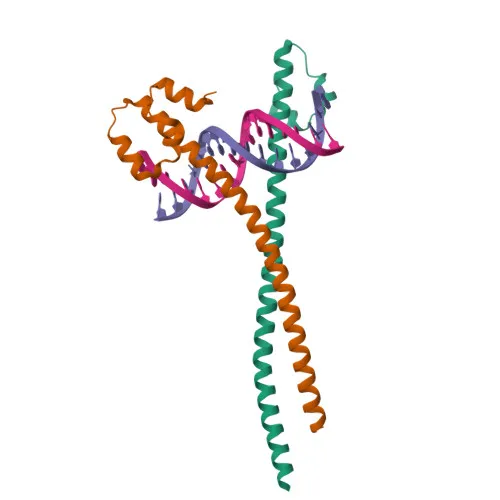
- NRF2 (Nuclear factor erythroid 2-related factor 2, also known as NFE2L2) is a transcription factor encoded by the NFE2L2 gene, with a molecular weight of ~68 kDa. It belongs to the cap 'n' collar basic-region leucine zipper (CNC-bZIP) family.
- NRF2 plays a central role in the cellular defense against oxidative stress by binding to antioxidant response elements (ARE) in promoter regions of cytoprotective genes, including phase 2 detoxifying enzymes, thereby neutralizing reactive electrophiles. Related references: PMID:11035812, PMID:19489739, PMID:29018201
- Under basal conditions, NRF2 is ubiquitinated and rapidly degraded in the cytoplasm by the KEAP1-CUL3-RBX1 E3 ubiquitin ligase complex. Upon oxidative or electrophilic stress, KEAP1 is inhibited, allowing NRF2 to accumulate, translocate to the nucleus, heterodimerize with small Maf proteins, and activate target gene transcription. Related references: PMID:11035812, PMID:15601839, PMID:29018201, PMID:19489739, PMID:29590092
- Selective autophagy also activates NRF2: the autophagy receptor SQSTM1/p62 interacts with KEAP1, sequestering it and leading to KEAP1 inactivation, thereby promoting NRF2 nuclear accumulation and cytoprotective gene expression. Related references: PMID:20452972
- During the unfolded protein response (UPR), NRF2 is activated, contributing to redox homeostasis and cell survival under endoplasmic reticulum stress.
- NRF2 suppresses macrophage-mediated inflammation by blocking pro-inflammatory cytokine transcription and inhibiting RNA polymerase II recruitment near pro-inflammatory genes, independent of NRF2’s canonical binding motif and ROS levels.
- NRF2 restricts viral infection: it represses antiviral cytosolic DNA sensing by suppressing STING1 expression and inhibits replication of several pathogenic viruses (e.g., SARS-CoV-2, HSV-1, Vaccinia, Zika) via a type I interferon-independent mechanism. Related references: PMID:30158636, PMID:33009401
- NRF2 is widely expressed, with highest levels in adult muscle, kidney, lung, liver, and fetal muscle. It localizes to both the cytoplasm and nucleus, shuttling dynamically in response to cellular signals.
Experimental Guidance and Technical Tips
- This polyclonal antibody was raised against a recombinant protein corresponding to amino acids 366-605 of human NRF2, targeting the C-terminal region. It may detect both total and modified forms; consider verifying specificity in your experimental system using knockdown or knockout controls.
- For Western blotting, a band around 68 kDa is expected. Post-translational modifications, such as phosphorylation or ubiquitination, may cause band shifts; optimize loading controls and detection reagents.
- In IHC-P, antigen retrieval and blocking steps are critical. Use positive control tissues like liver or kidney, which express high levels of NRF2.
- For IF/ICC, permeabilization and fixation conditions should be optimized; NRF2 nuclear translocation under oxidative stress can be assessed by comparing treated vs untreated cells.
- ELISA applications may involve pairing with a suitable secondary antibody or using the antibody as part of a sandwich pair; validate with recombinant protein or cell lysates.
CamelBio: Your One-Stop Sourcing Bridge
CamelBio provides a comprehensive portfolio of IVD raw materials, including validated antibodies, antigens, and ancillary reagents, to support diagnostic manufacturers and research laboratories from development to market. This anti-NRF2 polyclonal antibody is designed for applications in oxidative stress, cytoprotection, and innate immunity research. For bulk orders, custom antibody development, or sourcing rare target reagents, contact CamelBio to streamline your supply chain.
REQUEST A QUOTE
Our professional team will reply to you within one business day. Please feel free to contact us!