Polyclonal Antibodies
Anti-NR1I3 Rabbit Polyclonal Antibody for WB - Q14994
Item Number : CM0021277
Price varies based on specs and customizations
- Application
- WB, IF/ICC, IP, ELISA
- Cross Reactivity
- Human, Mouse, Rat
- Protein Weight
- 40kDa

Shipping:
Contact us to get shipping details Enjoy On-time Dispatch Guarantee.
Why Choose Us
Easy ordering process, quality products, and dedicated support for your business success.
Core Product Specifications and Parameters
| Parameter | Value |
|---|---|
| Product Name | NR1I3 Rabbit pAb |
| Remarks/Alias | CAR; CAR1; MB67; NR1I3 |
| Species | Human |
| GeneID (Human) | 9970 |
| GeneID | 9970 |
| Immunogen | Recombinant fusion protein containing a sequence corresponding to amino acids 103-352 of human NR1I3 (NP_001070948.1). |
| Source | Rabbit |
| Category | Polyclonal Antibodies |
| Application | WB, IF/ICC, IP, ELISA |
| Cross Reactivity | Human, Mouse, Rat |
| SWISS | Q14994 |
| Protein Weight | 40kDa |
| Shipping | Ice bag |
Biological Background: NR1I3 Function and Localization
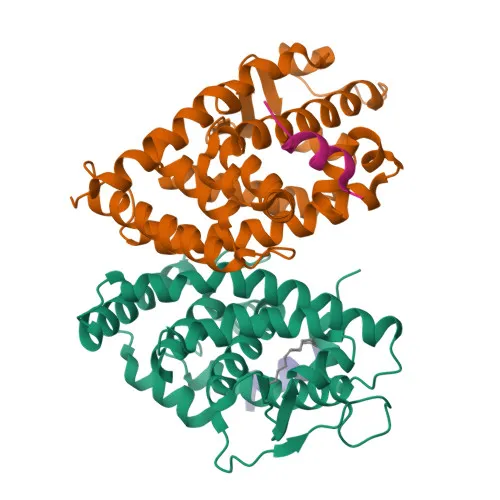
- NR1I3 encodes the constitutive androstane receptor (CAR), a member of the nuclear receptor superfamily; it is also known as MB67 and constitutive activator of retinoid response.
- CAR functions as a ligand-activated transcription factor that binds to retinoic acid response elements (RAREs), thereby controlling expression of genes such as retinoic acid receptor beta 2 and alcohol dehydrogenase 3.
- NR1I3 transactivates the phenobarbital-responsive enhancer module of the human CYP2B6 gene and the CYP3A4 xenobiotic response element, playing a central role in drug metabolism and detoxification.
- The receptor contains a DNA-binding domain with two zinc-finger motifs and a ligand-binding domain, consistent with its zinc-binding and DNA-binding activities.
- Subcellularly, CAR localizes predominantly in the nucleoplasm but is also found in the cytoplasm and associated with cytoskeletal elements, reflecting dynamic intracellular trafficking.
- Expression of NR1I3 is predominantly hepatic, with highest mRNA levels detected in liver tissue.
- Post-translational modifications, including phosphorylation, regulate CAR activity and subcellular localization, impacting its transcriptional function.
- Alternative splicing generates multiple transcript variants, potentially diversifying the functional repertoire of NR1I3.
Experimental Guidance and Technical Tips
- The immunogen corresponds to amino acids 103-352 of human NR1I3, spanning the hinge and ligand-binding domains; this region is relatively conserved, supporting expected cross-reactivity with mouse and rat orthologs.
- For Western blotting, a band approximately 40 kDa is anticipated; consider using whole-cell lysates from liver tissue or hepatoma cell lines (e.g., HepG2) to validate endogenous expression.
- In immunofluorescence/ICC, NR1I3 may exhibit both nuclear and cytoplasmic staining; fixation and permeabilization protocols should be optimized to preserve cytoskeletal-associated pools.
- This rabbit polyclonal antibody is suitable for immunoprecipitation (IP), but binding efficiency to native CAR complexes should be empirically determined in the relevant cellular context.
- ELISA applications may benefit from using recombinant NR1I3 protein or peptide as capture antigen; dilution and detection conditions require end-user optimization.
CamelBio: Your One-Stop Sourcing Bridge
This anti-NR1I3 polyclonal antibody is part of CamelBio's comprehensive portfolio for nuclear receptor and drug metabolism research. As your one-stop IVD raw-material partner, CamelBio offers validated antibody pairs, optimized monoclonal/polyclonal antibodies, bulk ancillary reagents, and custom sourcing for rare targets—supporting diagnostic manufacturers and research institutes from concept to clinic with reliable supply solutions.
REQUEST A QUOTE
Our professional team will reply to you within one business day. Please feel free to contact us!