Monoclonal Antibodies
Anti-NQO1 Rabbit Monoclonal Antibody (KO Validated) for WB, IF-P, ELISA - P15559
Item Number : CM0002891
Price varies based on specs and customizations
- Application
- WB, IF-P, ELISA
- Cross Reactivity
- Human, Mouse, Rat
- Protein Weight
- 31kDa

Shipping:
Contact us to get shipping details Enjoy On-time Dispatch Guarantee.
Why Choose Us
Easy ordering process, quality products, and dedicated support for your business success.
Core Product Specifications and Parameters
| Parameter | Value |
|---|---|
| Product Name | [KO Validated] NQO1 Rabbit mAb |
| Remarks/Alias | DTD; QR1; DHQU; DIA4; NMOR1; NMORI; [KD Validated] NQO1 |
| Species | Human |
| Gene ID (Human) | 1728 |
| Gene ID | 1728 |
| Immunogen | Synthetic Peptide|A synthetic peptide corresponding to a sequence within amino acids 1-100 of human NQO1 (P15559). |
| Source | Rabbit |
| Category | Monoclonal Antibodies |
| Application | WB, IF-P, ELISA |
| Cross Reactivity | Human, Mouse, Rat |
| SWISS | P15559 |
| Protein Weight | 31kDa |
| Shipping | Ice bag |
Biological Background: NQO1 Function and Localization
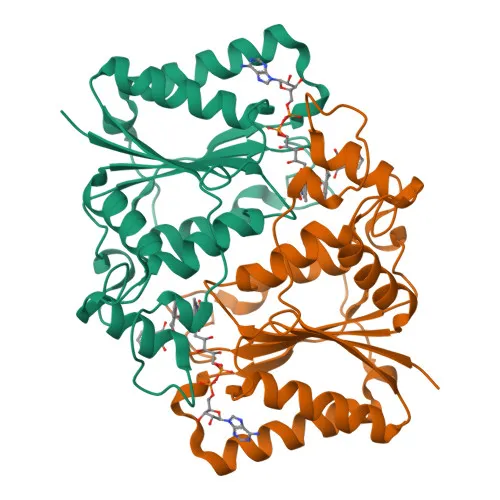
- NQO1, also known as DT-diaphorase (DTD), quinone reductase 1 (QR1), and menadione reductase, is a flavin-containing oxidoreductase.
- It catalyzes the two-electron reduction of quinones to hydroquinones using NADH or NADPH, bypassing semiquinone radicals and reactive oxygen species generation. Related references: PMID:8999809, PMID:9271353
- NQO1 plays a critical role in cellular redox homeostasis by detoxifying quinones and reducing components of the plasma membrane redox system such as coenzyme Q and vitamin quinones. Related references: PMID:15102952, PMID:8999809, PMID:9271353
- Alternatively, NQO1 can bioactivate certain quinones, generating redox-active hydroquinones that exhibit DNA cross-linking and antitumor potential. Related references: PMID:8999809
- NQO1 acts as a gatekeeper of the 20S proteasome, interacting with tumor suppressors TP53 and TP73 in an NADH-dependent manner to inhibit their ubiquitin-independent degradation. Related references: PMID:15687255, PMID:28291250
- The protein is predominantly localized to the cytoplasm and cytosol.
- NQO1 undergoes alternative splicing and post-translational modifications including phosphorylation and ubiquitination.
- It is a flavoprotein requiring FAD as a cofactor.
Experimental Guidance and Technical Tips
- The immunogen is a synthetic peptide corresponding to the N-terminal region (aa 1-100); it may recognize multiple isoforms or splice variants.
- For western blotting, the predicted molecular weight is ~31 kDa; consider loading appropriate controls and using knockout or knockdown lysates for specificity validation.
- For immunofluorescence staining of paraffin-embedded sections (IF-P), optimize antigen retrieval and antibody dilution; note that NQO1 exhibits cytoplasmic localization.
- For ELISA applications, pair with a suitable capture or detection antibody and validate performance in the relevant biological matrix.
- Cross-reactivity has been reported for human, mouse, and rat; verify sequence homology if extending to other species.
CamelBio: Your One-Stop Sourcing Bridge
CamelBio provides diagnostic manufacturers and research laboratories with a one-stop sourcing platform for IVD raw materials, technical services, and consultancy. This KO-validated anti-NQO1 rabbit monoclonal antibody, suited for redox biology and cancer research, exemplifies our commitment to supplying high-quality antibodies, validated pairs, bulk ancillary reagents, and rare-target reagents. From concept to clinic, we streamline your procurement and accelerate assay development.
Product Datasheet
Anti-NQO1 Rabbit Monoclonal Antibody (KO Validated) for WB, IF-P, ELISA - P15559
REQUEST A QUOTE
Our professional team will reply to you within one business day. Please feel free to contact us!