Monoclonal Antibodies
Anti-NQO1 Rabbit Monoclonal Antibody for WB, IHC-P, IP, ELISA - P15559
Item Number : CM0006410
Price varies based on specs and customizations
- Application
- WB, IHC-P, IP, ELISA
- Cross Reactivity
- Human, Mouse, Rat
- Protein Weight
- 31kDa

Shipping:
Contact us to get shipping details Enjoy On-time Dispatch Guarantee.
Why Choose Us
Easy ordering process, quality products, and dedicated support for your business success.
Core Product Specifications and Parameters
| Parameter | Value |
|---|---|
| Product Name | NQO1 Rabbit mAb |
| Remarks/Alias | DTD; QR1; DHQU; DIA4; NMOR1; NMORI; NQO1 |
| Species | Human |
| GeneID (human) | 1728 |
| GeneID | 1728 |
| Immunogen | Recombinant fusion protein containing a sequence corresponding to amino acids 1-100 of human NQO1 (NP_000894.1) |
| Source | Rabbit |
| Category | Monoclonal Antibodies |
| Application | WB, IHC-P, IP, ELISA |
| Cross Reactivity | Human, Mouse, Rat |
| SWISS | P15559 |
| Protein Weight | 31kDa |
| Shipping | Ice bag |
Biological Background: NQO1 Function and Localization
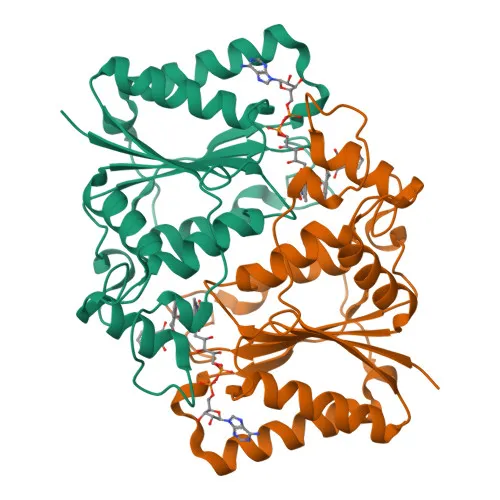
- NQO1 (NAD(P)H dehydrogenase [quinone] 1), also called DT-diaphorase, quinone reductase 1, or azoreductase, is a flavin-containing oxidoreductase encoded by the NQO1 gene (alias DIA4, NMOR1). It catalyzes the two-electron reduction of quinones to hydroquinones using NADH or NADPH, operating through a ping-pong kinetic mechanism that prevents semiquinone radical formation. Related references: PMID:8999809 PMID:9271353
- By reducing plasma membrane redox components such as coenzyme Q and vitamin quinones, NQO1 maintains cellular redox homeostasis and functions as a superoxide scavenger, facilitating hydroquinone excretion. Related references: PMID:15102952 PMID:8999809
- Alternatively, NQO1 can bioactivate certain quinones to generate redox-reactive hydroquinones with DNA cross-linking potential, contributing to antitumor activity. Related references: PMID:8999809
- Under oxidative stress, NQO1 acts as a gatekeeper of the 20S proteasome by binding the tumor suppressors TP53 and TP73 in an NADH-dependent manner, preventing their ubiquitin-independent degradation. Related references: PMID:15687255 PMID:28291250
- The protein localizes predominantly to the cytoplasm and cytosol.
- NQO1 undergoes post-translational modifications including phosphorylation and ubiquitination, and features an isopeptide bond. Alternative splicing generates multiple transcript variants.
- The enzyme uses FAD as a cofactor and accepts electrons from NAD and NADP. Its predicted molecular mass is approximately 30.9 kDa (observed at ~31 kDa).
Experimental Guidance and Technical Tips
- The immunogen corresponds to the N-terminal 100 amino acids (1–100) of human NQO1. This region is highly conserved among human, mouse, and rat, consistent with the reported cross-reactivity.
- For Western blot analysis, a predominant band around 31 kDa is expected. Positive control lysates from human, mouse, or rat cell lines are recommended.
- The rabbit monoclonal format and specificity suggest suitability for immunoprecipitation (IP) and ELISA; optimization of conditions is advised for each experimental system.
- For immunohistochemistry on paraffin-embedded tissues (IHC-P), antigen retrieval steps may require empirical optimization.
CamelBio: Your One-Stop Sourcing Bridge
CamelBio provides a comprehensive portfolio of IVD raw materials and technical services to accelerate diagnostic development from concept to clinic. This NQO1 rabbit monoclonal antibody supports research in redox biology, cancer, and oxidative stress. As your strategic sourcing partner, CamelBio streamlines procurement of validated antibody pairs, optimized monoclonals, bulk ancillary reagents, and rare-target raw materials, ensuring a reliable supply chain for your assay workflows.
Product Datasheet
Anti-NQO1 Rabbit Monoclonal Antibody for WB, IHC-P, IP, ELISA - P15559
REQUEST A QUOTE
Our professional team will reply to you within one business day. Please feel free to contact us!