Polyclonal Antibodies
Anti-NMNAT1 Polyclonal Antibody for WB, ELISA - Q9HAN9
Item Number : CM0026921
Price varies based on specs and customizations
- Application
- WB, ELISA
- Cross Reactivity
- Human
- Protein Weight
- 32kDa

Shipping:
Contact us to get shipping details Enjoy On-time Dispatch Guarantee.
Why Choose Us
Easy ordering process, quality products, and dedicated support for your business success.
Core Product Specifications and Parameters
| Parameter | Value |
|---|---|
| Product Name | NMNAT1 Rabbit pAb |
| Remarks/Alias | LCA9; NMNAT; PNAT1; SHILCA; NMNAT1 |
| Species | Human |
| GeneID (Human) | 64802 |
| GeneID | 64802 |
| Immunogen | Recombinant fusion protein containing a sequence corresponding to amino acids 1-150 of human NMNAT1 (NP_073624.2). |
| Source | Rabbit |
| Category | Polyclonal Antibodies |
| Application | WB, ELISA |
| Cross Reactivity | Human |
| SWISS | Q9HAN9 |
| Protein Weight | 32kDa |
| Shipping | Ice bag |
Biological Background: NMNAT1 Function and Localization
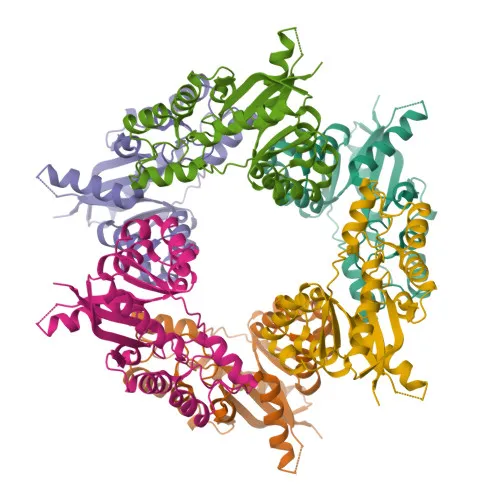
- NMNAT1 (nicotinamide/nicotinic acid mononucleotide adenylyltransferase 1) is a key enzyme in NAD+ biosynthesis, catalyzing the conversion of NMN and ATP to NAD+ and also utilizing NaMN with equal efficiency (PubMed:17402747). Related references: PMID:17402747
- It plays a critical role in nuclear NAD+ generation, which fuels ATP synthesis via PARP1, PARG, and NUDT5, supporting energy-consuming chromatin remodeling events (PubMed:27257257). Related references: PMID:27257257
- NMNAT1 also acts as a cofactor for PARP1-mediated ADP-ribosylation of histone glutamate and aspartate residues, linking its activity to epigenetic regulation (By similarity).
- The protein is localized exclusively in the nucleus, consistent with its functions in nuclear NAD+ metabolism and chromatin modification.
- NMNAT1 is widely expressed, with highest levels in skeletal muscle, heart, and kidney, and is also found in liver, pancreas, placenta, and throughout the brain.
- It belongs to the NMNAT family of nucleotidyltransferases and is implicated in neuroprotection; mutations cause Leber congenital amaurosis and are associated with deafness, dwarfism, and intellectual disability (PubMed:17402747, PubMed:27257257). Related references: PMID:17402747 PMID:27257257
- Post-translational modifications include phosphorylation, and the protein binds ATP, magnesium, and zinc, reflecting its catalytic and structural requirements.
Experimental Guidance and Technical Tips
- The immunogen corresponds to the N-terminal region (amino acids 1-150) of human NMNAT1; this region is likely to generate antibodies recognizing the native nuclear protein.
- For Western blotting, a band around 32 kDa is expected; consider using nuclear extracts or whole-cell lysates from human cell lines with confirmed NMNAT1 expression.
- In ELISA applications, the polyclonal nature may offer broad epitope recognition, but antibody titration and appropriate blocking conditions should be optimized for each assay format.
CamelBio: Your One-Stop Sourcing Bridge
CamelBio supports diagnostic manufacturers and research labs as a one-stop partner for IVD raw materials, offering validated antibody pairs, optimized polyclonal and monoclonal antibodies, bulk ancillary reagents, and dedicated sourcing for rare targets. With expertise spanning the NMNAT family and associated neurodegenerative and metabolic pathways, CamelBio connects you to high-quality reagents that accelerate development from concept to clinic.
REQUEST A QUOTE
Our professional team will reply to you within one business day. Please feel free to contact us!