Polyclonal Antibodies
Anti-NLN Polyclonal Antibody (Rabbit) for WB and ELISA - Q9BYT8
Item Number : CM0014004
Price varies based on specs and customizations
- Application
- WB, ELISA
- Cross Reactivity
- Human, Rat
- Protein Weight
- 81kDa

Shipping:
Contact us to get shipping details Enjoy On-time Dispatch Guarantee.
Why Choose Us
Easy ordering process, quality products, and dedicated support for your business success.
Core Product Specifications and Parameters
| Parameter | Value |
|---|---|
| Product Name | NLN Rabbit pAb |
| Remarks/Alias | MEP; MOP; AGTBP; EP24.16; NLN |
| Species | Human |
| GeneID (Human) | 57486 |
| GeneID | 57486 |
| Immunogen | Recombinant fusion protein containing a sequence corresponding to amino acids 630-704 of human NLN (NP_065777.1). |
| Source | Rabbit |
| Category | Polyclonal Antibodies |
| Application | WB, ELISA |
| Cross Reactivity | Human, Rat |
| SWISS | Q9BYT8 |
| Protein Weight | 81kDa |
| Shipping | Ice bag |
Biological Background: NLN Function and Localization
- NLN (neurolysin) is a zinc metalloprotease belonging to the M3 family, also known as microsomal endopeptidase (MEP), mitochondrial oligopeptidase M (MOP), and angiotensin-binding protein (AGTBP).
- It hydrolyzes a variety of bioactive oligopeptides, including neurotensin, bradykinin, and dynorphin A, thereby regulating their physiological activities (By similarity).
- NLN plays a key role in the cannabinoid signaling pathway by mediating the degradation of hemopressin, an antagonist peptide of the cannabinoid receptor CNR1 (By similarity).
- Subcellularly, NLN is localized to the mitochondrial intermembrane space and the cytosol, highlighting its dual mitochondrial and cytoplasmic functions.
- Post-translational modifications include acetylation, and the enzyme binds zinc as a cofactor essential for its catalytic activity.
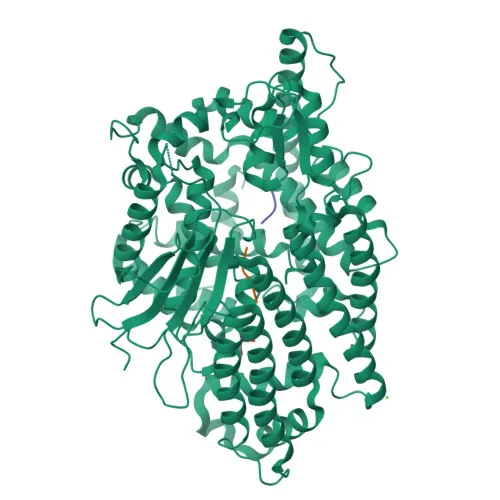
- The protein is classified under keywords: Hydrolase, Metalloprotease, Protease, and is part of the reference proteome; its crystal structure has been solved.
Experimental Guidance and Technical Tips
- For Western blotting, a band around 81 kDa is expected; verify band specificity using appropriate positive and negative controls in human or rat tissue/cell lysates.
- For ELISA, the antibody may be used as a capture or detection reagent; optimization of coating concentration and detection system is recommended.
- The immunogen corresponds to the C-terminal region (aa 630–704) of human NLN; therefore, this antibody may recognize both full-length and C-terminal fragments.
- When preparing samples, consider that NLN is partially mitochondrial; using subcellular fractionation or mitochondrial enrichment may improve detection in Western blot.
- Cross-reactivity has been verified for human and rat; for other species, perform sequence alignment and test empirically.
CamelBio: Your One-Stop Sourcing Bridge
CamelBio is your one-stop sourcing partner for IVD raw materials, offering validated antibody pairs, optimized polyclonal and monoclonal antibodies, bulk ancillary reagents, and tailored sourcing of rare targets. This anti-NLN antibody supports research into neuropeptide metabolism, mitochondrial proteases, and cannabinoid signaling pathways, and we can assist with custom antibody development, bulk supply, and technical consultation to accelerate your diagnostic or research projects.
REQUEST A QUOTE
Our professional team will reply to you within one business day. Please feel free to contact us!