Polyclonal Antibodies
Anti-NINJ1 Rabbit Polyclonal Antibody for WB, ELISA - Q92982
Item Number : CM0023781
Price varies based on specs and customizations
- Application
- WB, ELISA
- Cross Reactivity
- Human, Mouse, Rat
- Protein Weight
- 16kDa

Shipping:
Contact us to get shipping details Enjoy On-time Dispatch Guarantee.
Why Choose Us
Easy ordering process, quality products, and dedicated support for your business success.
Core Product Specifications and Parameters
| Parameter | Specification |
|---|---|
| Product Name | NINJ1 Rabbit pAb |
| Remarks/Alias | NIN1; NINJURIN; NINJ1 |
| Species | Human |
| Gene ID (Human) | 4814 |
| Gene ID | 4814 |
| Immunogen | Synthetic Peptide|A synthetic peptide corresponding to a sequence within amino acids 1-100 of human NINJ1 (NP_004139.2). |
| Source | Rabbit |
| Category | Polyclonal Antibodies |
| Application | WB, ELISA |
| Cross Reactivity | Human, Mouse, Rat |
| SWISS | Q92982 |
| Protein Weight | 16kDa |
| Shipping | Ice bag |
Biological Background: Ninjurin-1 Function and Localization
- NINJ1 (Ninjurin-1), also known as nerve injury-induced protein 1, is a transmembrane glycoprotein encoded by the NINJ1 gene.
- Acts as a critical executioner of programmed cell death including pyroptosis, necroptosis, and PANoptosis by mediating plasma membrane rupture (cytolysis) downstream of gasdermins (GSDMA, GSDMB, GSDMC, GSDMD, GSDME) or MLKL. Related references: PMID:33472215 PMID:36468682 PMID:37196676
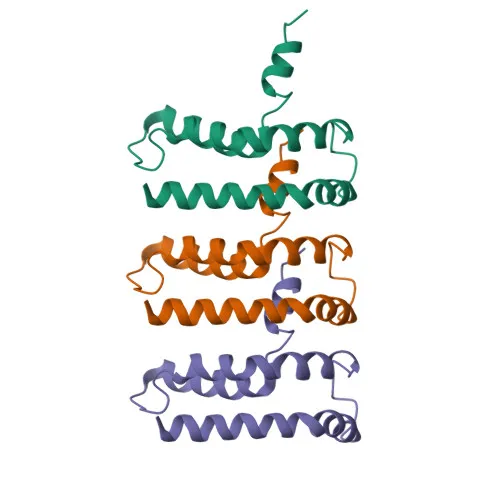
- Upon activation, NINJ1 oligomerizes and forms ring-like structures that cut membrane disks, leading to membrane damage and release of damage-associated molecular patterns (DAMPs). Related references: PMID:38614101
- Regulates Toll-like receptor 4 (TLR4) signaling during systemic inflammation by directly binding lipopolysaccharide (LPS). Related references: PMID:26677008
- Functions as a homophilic adhesion molecule via its extracellular N-terminal adhesion motif (N-NAM), promoting cell adhesion in axonal growth, leukocyte transendothelial migration, and angiogenesis. Related references: PMID:33028854 PMID:8780658 PMID:9261151 PMID:22162058
- A secreted cleavage product possesses chemotactic activity and acts as an anti-inflammatory mediator by promoting monocyte recruitment, thereby ameliorating atherosclerosis. Related references: PMID:32883094
- Predominantly localized to the cell membrane and synaptic cell membrane; also observed as a secreted form.
- Widely expressed in both adult and embryonic tissues, primarily those of epithelial origin.
Experimental Guidance and Technical Tips
- The immunogen (amino acids 1–100) resides in the extracellular N-terminal region containing the N-NAM adhesion motif; this may target both full-length and the cleaved secreted form.
- For Western blotting, the predicted molecular weight is ~16 kDa. Consider using fresh lysates with protease inhibitors due to potential cleavage under cell death conditions.
- In ELISA, the immunogen peptide can serve as a coating antigen. Cross-reactivity with mouse and rat allows translational studies in rodent models.
- When studying programmed cell death pathways, consider inducing pyroptosis/necroptosis with appropriate stimuli (e.g., LPS, TNF, nigericin) to observe NINJ1-dependent membrane rupture; validate NINJ1 expression in relevant epithelial or immune cell lines.
CamelBio: Your One-Stop Sourcing Bridge
CamelBio offers a comprehensive portfolio of IVD raw materials, including this anti-NINJ1 polyclonal antibody, which targets a central mediator of programmed cell death and inflammation. Whether you need validated antibody pairs, bulk recombinant proteins, or assistance sourcing rare‐target reagents, our platform connects diagnostic developers and researchers with reliable, high‐quality materials to accelerate assay development and translational studies.
REQUEST A QUOTE
Our professional team will reply to you within one business day. Please feel free to contact us!