Polyclonal Antibodies
Anti-NGLY1 Polyclonal Antibody for WB, IF/ICC, ELISA - Q96IV0
Item Number : CM0017164
Price varies based on specs and customizations
- Application
- WB, IF/ICC, ELISA
- Cross Reactivity
- Human, Mouse, Rat
- Protein Weight
- 74 kDa

Shipping:
Contact us to get shipping details Enjoy On-time Dispatch Guarantee.
Why Choose Us
Easy ordering process, quality products, and dedicated support for your business success.
Core Product Specifications and Parameters
| Parameter | Value |
|---|---|
| Product Name | NGLY1 Rabbit pAb |
| Remarks/Alias | CDDG; PNG1; CDG1V; PNG-1; PNGase; NGLY1 |
| Species | Human |
| GeneID (Human) | 55768 |
| Immunogen | Recombinant fusion protein containing a sequence corresponding to amino acids 1-300 of human NGLY1 (NP_060767.2) |
| Source | Rabbit |
| Category | Polyclonal Antibodies |
| Application | WB, IF/ICC, ELISA |
| Cross Reactivity | Human, Mouse, Rat |
| SWISS | Q96IV0 |
| Protein Weight | 74 kDa |
| Shipping | Ice bag |
Biological Background: NGLY1 Function and Localization
- NGLY1 (N-glycanase 1) is a cytoplasmic peptide:N-glycanase that catalyzes the cleavage of N-linked glycans from denatured glycoproteins, converting asparagine to aspartic acid.
- Preferentially targets proteins with high-mannose oligosaccharides over complex-type glycans, and specifically acts on misfolded proteins retrotranslocated from the endoplasmic reticulum to the cytosol, while leaving native proteins intact.
- Deglycosylation by NGLY1 is a necessary step for the proteasome-mediated degradation of certain misfolded glycoproteins, linking it to the ER-associated degradation (ERAD) pathway.
- The enzyme is a zinc metalloprotease (keyword: Metal-binding; Zinc) and is subject to post-translational modifications including acetylation and phosphorylation, suggesting regulatory mechanisms.
- Alternative splicing generates multiple isoforms, which may have distinct functional properties or tissue distribution.
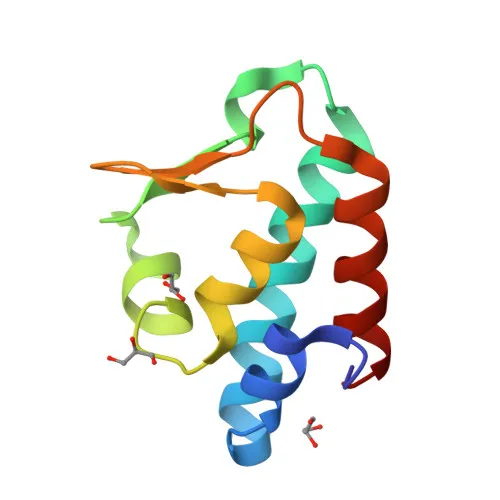
- The protein's three-dimensional structure has been determined (keyword: 3D-structure), providing insights into its catalytic mechanism and substrate recognition.
Experimental Guidance and Technical Tips
- For Western blotting, the predicted molecular weight is 74 kDa; consider optimizing gel percentage and transfer conditions to achieve clear separation.
- For immunofluorescence/ICC, permeabilization may be required to detect the cytoplasmic NGLY1 protein; validate staining in cells with known expression levels.
- In ELISA assays, test different coating antigen concentrations and antibody dilutions; include positive and negative control samples to ensure specificity.
- Given the polyclonal nature, lot-to-lot variability is possible; it is advisable to validate each new lot in the intended application and sample system.
- Avoid repeated freeze-thaw cycles; store under recommended conditions to maintain antibody stability.
CamelBio: Your One-Stop Sourcing Bridge
CamelBio supports diagnostic manufacturers and researchers with a comprehensive portfolio of IVD raw materials, including validated antibody pairs, optimized monoclonal/polyclonal antibodies, bulk ancillary reagents, and sourcing for rare targets like NGLY1. This NGLY1 polyclonal antibody facilitates studies in glycoprotein quality control, ERAD, and proteostasis, and we can assist in scaling your workflow from concept to clinic with reliable, one-stop access and technical consulting.
REQUEST A QUOTE
Our professional team will reply to you within one business day. Please feel free to contact us!