Monoclonal Antibodies
Anti-Neurokinin 1 Receptor (NK1R) Rabbit Monoclonal Antibody for WB, ELISA - P25103
Item Number : CM0006099
Price varies based on specs and customizations
- Application
- WB, ELISA
- Cross Reactivity
- Human, Mouse, Rat
- Protein Weight
- 46 kDa

Shipping:
Contact us to get shipping details Enjoy On-time Dispatch Guarantee.
Why Choose Us
Easy ordering process, quality products, and dedicated support for your business success.
Core Product Specifications and Parameters
| Parameter | Value |
|---|---|
| Product Name | Neurokinin 1 Receptor (NK1R) Rabbit mAb |
| Remarks/Alias | SPR; NK1R; NKIR; TAC1R; Neurokinin 1 Receptor (NK1R) |
| Species | Human |
| Gene ID (Human) | 6869 |
| Immunogen | Synthetic peptide corresponding to a sequence within amino acids 300-407 of human NK1R (P25103) |
| Source | Rabbit |
| Category | Monoclonal Antibodies |
| Application | WB, ELISA |
| Cross Reactivity | Human, Mouse, Rat |
| SWISS | P25103 |
| Protein Weight | 46 kDa |
| Shipping | Ice bag |
Biological Background: Neurokinin 1 Receptor (NK1R) Function and Localization
- Encoded by the TACR1 gene (also NK1R, TAC1R); alternative splicing generates multiple isoforms.
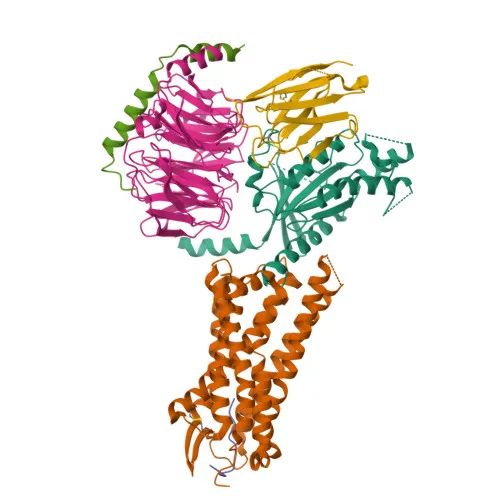
- Belongs to the class A G protein-coupled receptor (GPCR) family, tachykinin receptor subfamily, and functions as the primary receptor for substance P.
- Additionally binds neurokinin A/substance K and neurokinin B/neuromedin-K with lower affinity (PubMed:15452552). Related references: PMID:15452552
- Affinity rank order: substance P > neurokinin A > neurokinin B (PubMed:1718267). Related references: PMID:1718267
- Agonist binding triggers G protein-coupled signaling primarily via phospholipase C-mediated phosphatidylinositol hydrolysis and adenylate cyclase/cAMP pathways.
- Localizes predominantly at the cell membrane; upon stimulation, internalizes into early endosomes.
- Post-translational modifications include N-linked glycosylation, disulfide bonds, and palmitoylation, which are critical for proper folding and membrane localization.
- Implicated in pain perception, neurogenic inflammation, stress responses, and gastrointestinal motility.
Experimental Guidance and Technical Tips
- The immunogen corresponds to an intracellular region (amino acids 300-407) of the receptor; this epitope is likely to detect both unmodified and post-translationally modified forms.
- For Western blot, enrichment of membrane proteins or use of whole-cell lysates from tissues known to express NK1R (e.g., brain, gut) is recommended; the predicted molecular weight is 46 kDa, but glycosylation may lead to a higher apparent molecular weight.
- In ELISA, the antibody can be used for direct detection of the receptor in solubilized membrane preparations or peptide competition assays.
- Optimize primary antibody concentration and incubation conditions for each experimental system; no standard dilution is provided.
CamelBio: Your One-Stop Sourcing Bridge
CamelBio connects diagnostic manufacturers, laboratories, and research institutes with a comprehensive selection of IVD raw materials, from validated monoclonal and polyclonal antibodies to bulk ancillary reagents. For researchers exploring GPCR-mediated signaling and neurokinin biology, this anti-NK1R antibody is available alongside specialized sourcing services for rare targets and custom assay development. Whatever your diagnostic pipeline demands, CamelBio supports every stage from concept to clinic.
Product Datasheet
Anti-Neurokinin 1 Receptor (NK1R) Rabbit Monoclonal Antibody for WB, ELISA - P25103
REQUEST A QUOTE
Our professional team will reply to you within one business day. Please feel free to contact us!