Monoclonal Antibodies
Anti-NDUFA13/GRIM19 Rabbit Monoclonal Antibody for WB, ELISA - Q9P0J0
Item Number : CM0010003
Price varies based on specs and customizations
- Application
- WB, ELISA
- Cross Reactivity
- Human
- Protein Weight
- 17kDa

Shipping:
Contact us to get shipping details Enjoy On-time Dispatch Guarantee.
Why Choose Us
Easy ordering process, quality products, and dedicated support for your business success.
Core Product Specifications and Parameters
| Parameter | Value |
|---|---|
| Product Name | NDUFA13/GRIM19 Rabbit mAb |
| Remarks/Alias | B16.6; CDA016; CGI-39; GRIM19; GRIM-19; MC1DN28; NDUFA13/GRIM19 |
| Species | Human |
| Gene ID (Human) | 51079 |
| Immunogen | Recombinant fusion protein containing a sequence corresponding to amino acids 1-144 of human NDUFA13/GRIM19 (Q9P0J0) (NP_057049.5) |
| Source | Rabbit |
| Category | Monoclonal Antibodies |
| Application | WB, ELISA |
| Cross Reactivity | Human |
| SWISS | Q9P0J0 |
| Protein Weight | 17kDa |
| Shipping | Ice bag |
Biological Background: NDUFA13/GRIM19 Function and Localization
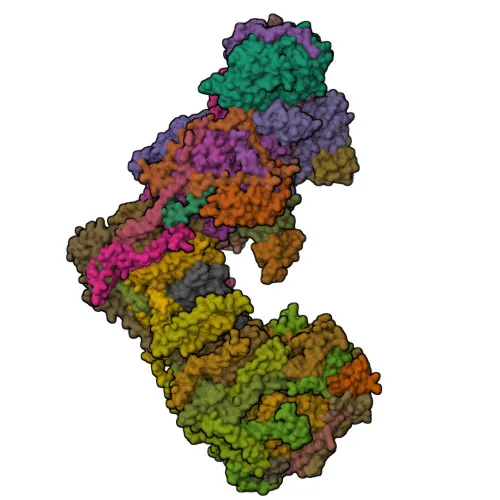
- NDUFA13 (also known as GRIM-19, B16.6, CGI-39) is a nuclear-encoded accessory subunit of mitochondrial Complex I, essential for complex assembly but not believed to participate directly in catalytic electron transfer. Related references: PMID:27626371
- It functions in the transfer of electrons from NADH to ubiquinone as part of the respiratory chain, contributing to oxidative phosphorylation.
- NDUFA13 is a key mediator of interferon/all-trans-retinoic acid (IFN/RA)-induced cell death, and its pro-apoptotic activity is inhibited by viral IRF1, highlighting a role in host-virus interactions.
- It may regulate intestinal epithelial cell responses to microbes by participating in CARD15-mediated innate mucosal responses, with implications in inflammatory bowel diseases such as Crohn disease and ulcerative colitis. Related references: PMID:15753091
- NDUFA13 also suppresses STAT3 target gene transactivation, modulating cell survival and proliferation pathways.
- Subcellularly, it localizes predominantly to the mitochondrial inner membrane, but has been detected in the nucleus, suggesting possible dual roles.
- Widely expressed, with highest levels in heart, skeletal muscle, liver, kidney, and placenta; expression is down-regulated in inflamed intestinal mucosa.
- Post-translational modifications include acetylation, and alternative splicing generates multiple isoforms.
Experimental Guidance and Technical Tips
- The immunogen targets the N-terminal 144 amino acids; consider that this region may be conserved across isoforms for consistent detection.
- For Western blot, the theoretical molecular weight is ~17 kDa; however, observe actual migration patterns in your sample system as post-translational modifications or complex association may cause shifts.
- In ELISA, confirm optimal antibody dilution and assay format (direct or capture) using recombinant NDUFA13 or relevant cell lysates.
- Given the reported human cross-reactivity, validate species specificity if used in non-human models.
- The antibody’s suitability for ChIP or IF has not been characterized; if needed, perform pilot tests with appropriate controls.
CamelBio: Your One-Stop Sourcing Bridge
CamelBio provides diagnostic manufacturers and research labs with comprehensive access to IVD raw materials and tailored sourcing solutions. This NDUFA13/GRIM19 monoclonal antibody supports mitochondrial biology, apoptosis, and innate immunity research, and we are ready to assist with validated antibody pairs, bulk ancillary reagents, and rare target raw-material procurement. From concept to clinic, count on CamelBio as your reliable sourcing partner.
Product Datasheet
Anti-NDUFA13/GRIM19 Rabbit Monoclonal Antibody for WB, ELISA - Q9P0J0
REQUEST A QUOTE
Our professional team will reply to you within one business day. Please feel free to contact us!