Polyclonal Antibodies
Anti-NDUFA10 (CI-42kD) Rabbit Polyclonal Antibody for WB and ELISA - O95299
Item Number : CM0014236
Price varies based on specs and customizations
- Application
- WB, ELISA
- Cross Reactivity
- Human, Mouse, Rat
- Protein Weight
- 41kDa

Shipping:
Contact us to get shipping details Enjoy On-time Dispatch Guarantee.
Why Choose Us
Easy ordering process, quality products, and dedicated support for your business success.
Core Product Specifications and Parameters
| Parameter | Value |
|---|---|
| Product Name | NDUFA10 Rabbit pAb |
| Remarks/Alias | CI-42k; CI-42KD; MC1DN22; NDUFA10 |
| Species | Human |
| Gene ID (Human) | 4705 |
| Gene ID | 4705 |
| Immunogen | Recombinant protein|Recombinant fusion protein containing a sequence corresponding to amino acids 36-300 of human NDUFA10 (NP_004535.1). |
| Source | Rabbit |
| Category | Polyclonal Antibodies |
| Application | WB, ELISA |
| Cross Reactivity | Human, Mouse, Rat |
| SWISS | O95299 |
| Protein Weight | 41kDa |
| Shipping | Ice bag |
Biological Background: NDUFA10 (CI-42kD) Function and Localization
- NDUFA10, also known as CI-42kD (Complex I-42kD), is the 42 kDa subunit of the mitochondrial NADH dehydrogenase (Complex I), encoded by the NDUFA10 gene.
- It functions as an accessory subunit of Complex I, not directly involved in catalysis, but essential for the assembly, stability, or regulation of the complex. Complex I mediates electron transfer from NADH to ubiquinone in the respiratory chain.
- Localized to the mitochondrial matrix, NDUFA10 is imported into mitochondria and associates with the inner membrane as part of the peripheral arm of Complex I.
- The protein contains FAD and is classified as a flavoprotein, involved in electron transport and respiratory chain processes.
- Post-translational modifications include phosphorylation, and the gene undergoes alternative splicing, potentially generating isoforms with functional diversity.
- Mutations in NDUFA10 are associated with mitochondrial complex I deficiency, which leads to a spectrum of primary mitochondrial diseases, including MC1DN22 (mitochondrial complex I deficiency, nuclear type 22).
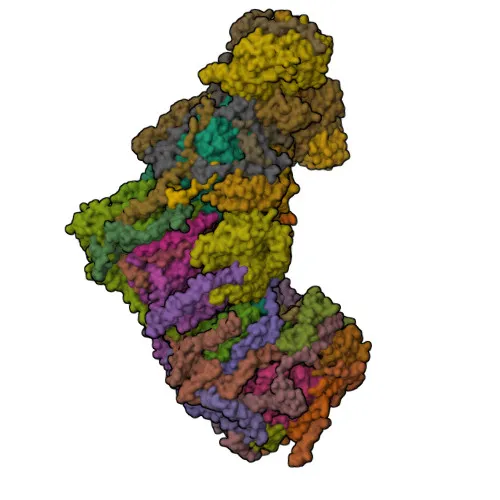
- Structurally, NDUFA10 has been studied by 3D-structural analysis, providing insights into Complex I architecture.
Experimental Guidance and Technical Tips
- The immunogen corresponds to amino acids 36-300 of human NDUFA10, excluding the mitochondrial transit peptide (a.a. 1-35). This design likely targets the mature, processed form of the protein.
- For Western blotting, the expected molecular weight is ~41 kDa. Consider using mitochondrial-enriched fractions to enhance detection.
- ELISA applications may benefit from using recombinant NDUFA10 protein or cell lysates; validate assay conditions in your specific sample matrix.
- When working with rodent samples, confirm reactivity under your experimental conditions, as cross-reactivity is reported for mouse and rat.
CamelBio: Your One-Stop Sourcing Bridge
CamelBio supports diagnostic manufacturers and researchers with reliable access to high-quality IVD raw materials. This anti-NDUFA10 antibody is part of a comprehensive portfolio targeting mitochondrial and metabolic disease markers. For your Complex I and respiratory chain projects, we offer validated antibody pairs, optimized monoclonal/polyclonal antibodies, and bulk ancillary reagents—streamlining your sourcing from concept to clinic.
Product Datasheet
Anti-NDUFA10 (CI-42kD) Rabbit Polyclonal Antibody for WB and ELISA - O95299
REQUEST A QUOTE
Our professional team will reply to you within one business day. Please feel free to contact us!