Polyclonal Antibodies
Anti-NCSTN Rabbit pAb for WB, IF/ICC, ELISA - Q92542
Item Number : CM0015363
Price varies based on specs and customizations
- Application
- WB, IF/ICC, ELISA
- Cross Reactivity
- Human, Mouse, Rat
- Protein Weight
- 78kDa

Shipping:
Contact us to get shipping details Enjoy On-time Dispatch Guarantee.
Why Choose Us
Easy ordering process, quality products, and dedicated support for your business success.
Core Product Specifications and Parameters
| Parameter | Value |
|---|---|
| Product Name | NCSTN Rabbit pAb |
| Remarks/Alias | ATAG1874; NCSTN |
| Species | Human |
| Gene ID (Human) | 23385 |
| Gene ID | 23385 |
| Immunogen | Recombinant protein|Recombinant fusion protein containing a sequence corresponding to amino acids 429-669 of human NCSTN (NP_056146.1) |
| Source | Rabbit |
| Category | Polyclonal Antibodies |
| Application | WB, IF/ICC, ELISA |
| Cross Reactivity | Human, Mouse, Rat |
| SWISS | Q92542 |
| Protein Weight | 78kDa |
| Shipping | Ice bag |
Biological Background: NCSTN Function and Localization
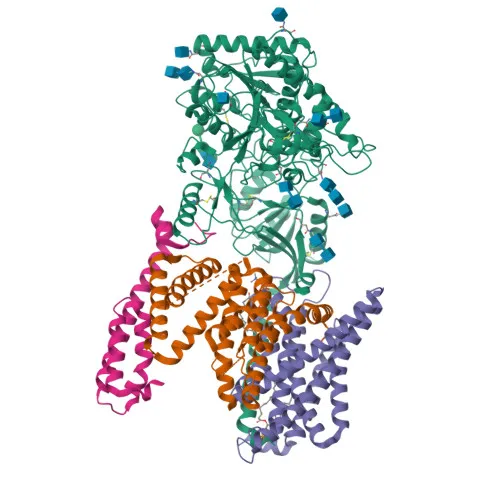
- As a core component of the gamma-secretase complex, nicastrin facilitates the intramembrane cleavage of integral membrane proteins, notably Notch receptors and amyloid precursor protein (APP).
Related references: PMID:10993067, PMID:12679784, PMID:25043039 - It plays a critical role in Notch and Wnt signaling pathways by regulating the processing of key regulatory proteins and cytosolic CTNNB1 levels.
- NCSTN is widely expressed, with significant protein-level detection in the brain, underscoring its neurological importance.
Related references: PMID:10993067, PMID:11396676 - The protein localizes to the plasma membrane, cytoplasmic vesicle membranes, and melanosomes.
- Post-translational modifications include glycosylation and disulfide bond formation, which are crucial for protein stability and function.
- Alternative splicing generates multiple isoforms, potentially contributing to functional diversity.
- Disease variant associations highlight its clinical relevance, particularly in neurodegeneration.
Experimental Guidance and Technical Tips
- The immunogen spans the C-terminal region (aa 429-669) of human nicastrin, targeting a domain likely conserved across human, mouse, and rat, consistent with reported cross-reactivity.
- For Western blot, the expected molecular weight is approximately 78 kDa; consider using reducing conditions and validate in lysates from human, mouse, or rat cell lines.
- In immunofluorescence/immunocytochemistry, anticipate membrane and vesicular staining; optimize permeabilization and fixation protocols for your cell type.
- For ELISA, test both direct and sandwich formats, and pair with a validated capture or detection antibody if needed; optimize coating antigen and antibody concentrations.
- Note that nicastrin undergoes glycosylation; treatment with PNGase F may shift the molecular weight if confirmation is needed.
CamelBio: Your One-Stop Sourcing Bridge
CamelBio is your one-stop partner for IVD raw-material procurement, supplying validated antibodies, reagents, and technical support to accelerate research in neurodegenerative diseases and cell signaling. This NCSTN antibody is part of our expanding catalog for gamma-secretase and Alzheimer's biomarker studies. Contact us for bulk orders, customized antibody pairs, or assistance with rare-target reagent sourcing.
REQUEST A QUOTE
Our professional team will reply to you within one business day. Please feel free to contact us!