Polyclonal Antibodies
Anti-NCR1 Rabbit Polyclonal Antibody for WB and ELISA - O76036
Item Number : CM0028754
Price varies based on specs and customizations
- Application
- WB, ELISA
- Cross Reactivity
- Human
- Protein Weight
- 34kDa

Shipping:
Contact us to get shipping details Enjoy On-time Dispatch Guarantee.
Why Choose Us
Easy ordering process, quality products, and dedicated support for your business success.
Core Product Specifications and Parameters
| Parameter | Value |
|---|---|
| Product Name | NCR1 Rabbit pAb |
| Remarks/Alias | LY94, CD335, NKP46, NK-p46, NCR1 |
| Species | Human |
| Gene ID (Human) | 9437 |
| Gene ID | 9437 |
| Immunogen | Recombinant fusion protein containing a sequence corresponding to amino acids 22-254 of human NCR1 (NP_004820.2) |
| Source | Rabbit |
| Category | Polyclonal Antibodies |
| Application | WB, ELISA |
| Cross Reactivity | Human |
| SWISS | O76036 |
| Protein Weight | 34kDa |
| Shipping | Ice bag |
Biological Background: NCR1 Function and Localization
- NCR1, also known as NKp46 or CD335, is a natural cytotoxicity triggering receptor 1 encoded by the NCR1 gene.
- It functions as an activating receptor on natural killer (NK) cells, enhancing their ability to lyse tumor cells.
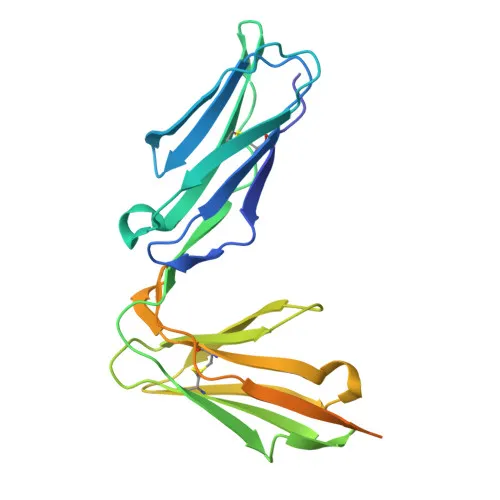
- NCR1 is a type I transmembrane protein with an extracellular region containing immunoglobulin-like domains, classified under the immunoglobulin superfamily.
- It is selectively expressed on both resting and activated NK cells, highlighting its role in innate immune surveillance.
- The protein is localized at the cell membrane as a single-pass transmembrane receptor.
- Post-translational modifications include N-linked glycosylation and disulfide bond formation, which are critical for structural integrity and ligand interaction.
- Alternative splicing generates multiple isoforms, potentially modulating receptor function or expression.
- Additional features include a signal peptide, transmembrane helix, and cytoplasmic tail, with no intrinsic signaling motifs; it signals via associated adaptor molecules.
Experimental Guidance and Technical Tips
- The immunogen covers the extracellular domain (amino acids 22-254) of human NCR1, targeting the ligand-binding region; verify specificity in your assay system using relevant controls.
- For Western blot, the predicted molecular weight is ~34 kDa; consider using human NK cell lines (e.g., NK-92) or isolated primary NK cells as positive controls.
- In ELISA applications, coat with recombinant NCR1 protein or capture from NK cell lysates; optimize antibody concentration for direct or sandwich formats.
- Given the restricted tissue expression, ensure sample enrichment for NK cells when working with heterogeneous samples like PBMCs or tissue homogenates.
- The antibody's reactivity is listed as human; cross-reactivity with other species should be validated if used on non-human samples.
CamelBio: Your One-Stop Sourcing Bridge
CamelBio is a comprehensive IVD raw-material partner, supporting every stage from concept to clinic with validated antibody pairs, bulk ancillary reagents, and rare target sourcing. This anti-NCR1 antibody facilitates NK cell and tumor immunology research, and we can supply complementary reagents such as NK cell markers, recombinant proteins, and assay development tools to streamline your workflow. Reach out to explore customized procurement solutions for your diagnostic and therapeutic programs.
REQUEST A QUOTE
Our professional team will reply to you within one business day. Please feel free to contact us!