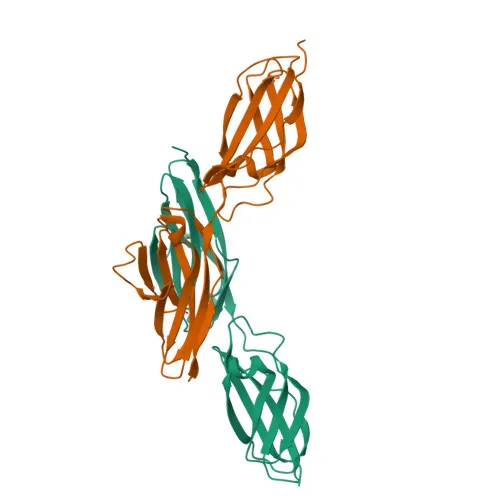
Monoclonal Antibodies
Anti-NCAM Rabbit Monoclonal Antibody for WB, IHC-P, ELISA - P13591
Item Number : CM0003959
Price varies based on specs and customizations
- Application
- WB, IHC-P, ELISA
- Cross Reactivity
- Human
- Protein Weight
- 95kDa

Shipping:
Contact us to get shipping details Enjoy On-time Dispatch Guarantee.
Why Choose Us
Easy ordering process, quality products, and dedicated support for your business success.
Core Product Specifications and Parameters
| Parameter | Value |
|---|---|
| Product Name | NCAM Rabbit mAb |
| Remarks/Alias | CD56; NCAM; MSK39 |
| Species | Human |
| GeneID (Human) | 4684 |
| GeneID | 4684 |
| Immunogen | Synthetic Peptide|A synthetic peptide corresponding to a sequence within amino acids 758-858 of human NCAM (NP_000606.3). |
| Source | Rabbit |
| Category | Monoclonal Antibodies |
| Application | WB, IHC-P, ELISA |
| Cross Reactivity | Human |
| SWISS | P13591 |
| Protein Weight | 95kDa |
| Shipping | Ice bag |
Biological Background: Neural Cell Adhesion Molecule 1 Function and Localization
- Neural cell adhesion molecule 1 (NCAM1, also known as NCAM, CD56, and MSK39) is a member of the immunoglobulin superfamily involved in homophilic and heterophilic cell-cell adhesion.
- It plays critical roles in neuron-neuron adhesion, neurite fasciculation, and stimulation of neurite outgrowth, essential for neural development and plasticity.
- The protein undergoes alternative splicing to generate multiple isoforms, including transmembrane and GPI-anchored forms, each with distinct localizations and functions.
- NCAM1 is primarily localized at the cell membrane, but secreted forms also exist, contributing to extracellular matrix interactions and signaling.
- It acts as a receptor for rabies virus and Zika virus, facilitating viral entry into host cells.
- Post-translational modifications include N-linked glycosylation, disulfide bond formation, and phosphorylation, which regulate adhesive properties and signaling.
Experimental Guidance and Technical Tips
- The immunogen corresponds to a synthetic peptide from the C-terminal region (amino acids 758-858) of human NCAM, which may detect multiple isoforms; consider validating isoform specificity in your experimental system.
- For Western blot applications, a band at approximately 95 kDa is expected; use appropriate positive and negative controls to confirm specificity.
- In immunohistochemistry (paraffin), we recommend testing antigen retrieval conditions and antibody dilutions using known NCAM-positive tissues.
- For ELISA, optimization of coating antigen and antibody concentration is essential; cross-reactivity with other species should be verified.
- Given NCAM's role in viral entry, this antibody may be useful in studying host-pathogen interactions; however, functional assays require additional validation.
CamelBio: Your One-Stop Sourcing Bridge
As a premier provider of IVD raw materials, CamelBio supports researchers and diagnostic developers with high-quality antibodies and reagents. This anti-NCAM monoclonal antibody is an excellent tool for neuroscience and virology research, with applications in western blotting, immunohistochemistry, and ELISA. CamelBio also offers validated antibody pairs, ancillary reagents, and sourcing services for rare targets, streamlining your diagnostic and research workflows.
REQUEST A QUOTE
Our professional team will reply to you within one business day. Please feel free to contact us!