Polyclonal Antibodies
Anti-NAT1 Rabbit Polyclonal Antibody for WB and ELISA - P18440
Item Number : CM0022140
Price varies based on specs and customizations
- Application
- WB, ELISA
- Cross Reactivity
- Human
- Protein Weight
- 34kDa

Shipping:
Contact us to get shipping details Enjoy On-time Dispatch Guarantee.
Why Choose Us
Easy ordering process, quality products, and dedicated support for your business success.
Core Product Specifications and Parameters
| Parameter | Value |
|---|---|
| Product Name | NAT1 Rabbit pAb |
| Remarks/Alias | AAC1; MNAT; NATI; NAT-1; NAT1 |
| Species | Human |
| GeneID (Human) | 9 |
| GeneID | 9 |
| Immunogen | Recombinant fusion protein containing a sequence corresponding to amino acids 1-290 of human NAT1 (NP_001153646.1). |
| Source | Rabbit |
| Category | Polyclonal Antibodies |
| Application | WB, ELISA |
| Cross Reactivity | Human |
| SWISS | P18440 |
| Protein Weight | 34kDa |
| Shipping | Ice bag |
Biological Background: NAT1 Function and Localization
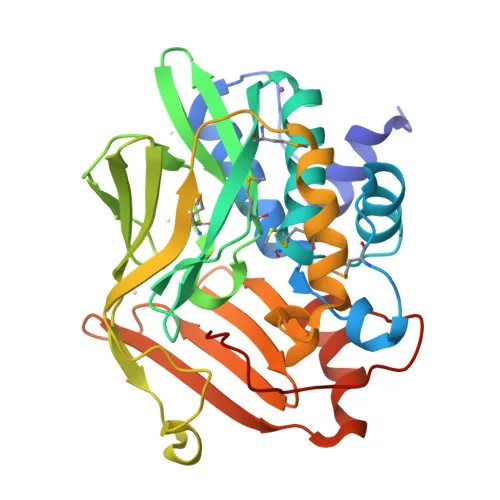
- NAT1 (arylamine N-acetyltransferase 1), also designated AAC1, MNAT, NATI, or NAT-1, is a member of the phase II xenobiotic-metabolizing enzyme family that catalyzes acetyl group transfer from acetyl-CoA to arylamine substrates.
- It plays a central role in the detoxification of numerous hydrazine and arylamine drugs, reducing their pharmacological activity and facilitating excretion.
- Conversely, NAT1 can bioactivate certain environmental procarcinogens, including heterocyclic amines, through O-acetylation of N-hydroxylated metabolites, generating electrophilic intermediates capable of binding DNA.
- The enzyme is predominantly localized in the cytoplasm and exhibits ubiquitous tissue distribution, reflecting its broad role in cellular protection and chemical processing.
- Human NAT1 has a molecular mass of approximately 34 kDa and is subject to acetylation-based regulatory mechanisms.
- Genetic variants of NAT1 are associated with differential acetylation capacity, impacting individual susceptibility to drug-induced toxicity and carcinogenesis.
Experimental Guidance and Technical Tips
- The immunogen encompasses nearly the full-length human NAT1 (residues 1–290), which may confer reactivity to multiple allelic forms; however, variant-specific detection should be confirmed with recombinant proteins.
- For Western blotting, consider a starting dilution range of 1:500–1:2000 using whole-cell lysates from hepatocyte-derived cell lines (e.g., HepG2) or human liver tissue, where a band at ~34 kDa is expected.
- In ELISA applications, the antibody can be employed as a capture or detection reagent; optimizing coating concentrations and pairing with a monoclonal antibody may improve assay specificity.
- Cross-reactivity has been validated against human NAT1; performance in other species is not guaranteed and should be individually tested.
- Upon arrival, store aliquots at -20°C in a non-frost‑free freezer to minimize freeze‑thaw degradation.
CamelBio: Your One-Stop Sourcing Bridge
CamelBio streamlines the procurement of IVD raw materials for drug metabolism and toxicology researchers by offering a single point of access to antibodies, antigens, and ancillary reagents. This anti-NAT1 polyclonal antibody is part of a broader portfolio that includes validated antibody pairs, optimized monoclonal/polyclonal antibodies, and bulk ancillary reagents to support assay development and manufacturing. Whether you need standard catalog items or rare-target sourcing, our team facilitates a reliable supply chain from concept to clinic.
REQUEST A QUOTE
Our professional team will reply to you within one business day. Please feel free to contact us!