Polyclonal Antibodies
Anti-NAGS Rabbit Polyclonal Antibody - Q8N159
Item Number : CM0020472
Price varies based on specs and customizations
- Application
- WB, ELISA
- Cross Reactivity
- Human, Mouse
- Protein Weight
- 58kDa

Shipping:
Contact us to get shipping details Enjoy On-time Dispatch Guarantee.
Why Choose Us
Easy ordering process, quality products, and dedicated support for your business success.
Core Product Specifications and Parameters
| Parameter | Value |
|---|---|
| Product Name | NAGS Rabbit pAb |
| Remarks/Alias | NAGS; AGAS; ARGA; N-acetylglutamate synthase |
| Species | Human |
| Gene ID | 162417 |
| Immunogen | Recombinant protein of human NAGS |
| Source | Rabbit |
| Category | Polyclonal Antibodies |
| Application | WB, ELISA |
| Cross Reactivity | Human, Mouse |
| SWISS | Q8N159 |
| Protein Weight | 58kDa |
| Shipping | Ice bag |
Biological Background: N-acetylglutamate synthase (NAGS) Function and Localization
- N-acetylglutamate synthase (NAGS) is a mitochondrial matrix enzyme that catalyzes the formation of N-acetylglutamate (NAG) from glutamate and acetyl-CoA.
- NAG is an essential allosteric cofactor for carbamoylphosphate synthase I (CPS1), the first and rate-limiting enzyme of the urea cycle; thus NAGS plays a critical role in regulating ureagenesis and ammonia detoxification.
- Encoded by the NAGS gene, this protein belongs to the acyltransferase family of enzymes.
- NAGS is highly expressed in adult liver, kidney, and small intestine, with lower expression in fetal tissues and other organs such as lung, pancreas, placenta, heart, and brain.
- The enzyme contains a mitochondrial transit peptide that directs it to the mitochondrial matrix, where it functions.
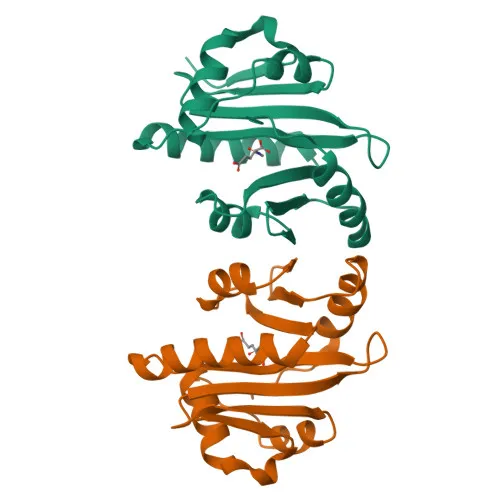
- Mutations in NAGS are associated with urea cycle disorders (NAGS deficiency), highlighting its importance in nitrogen metabolism; the protein is a target for structural and biochemical studies (3D structure available).
- Keywords associated with NAGS include Acyltransferase, Transferase, Urea cycle, Mitochondrion, and Disease variant.
Experimental Guidance and Technical Tips
- Given the recombinant protein immunogen, the antibody may detect native NAGS in mitochondrial fractions; consider validating in relevant sample systems.
- For Western blot, consider using total cell lysates from human hepatocyte lines or mouse liver tissue, where NAGS is highly expressed at ~58 kDa.
- For ELISA applications, the antibody can be tested as a capture or detection reagent; validate pairing with a suitable partner and assay conditions.
- Since NAGS is mitochondrial, incorporating a mitochondrial fractionation step may improve signal-to-noise ratio in WB or ELISA.
- Cross-reactivity with mouse is reported, so mouse models can be used for in vivo studies; always confirm specificity in your own experimental setup.
CamelBio: Your One-Stop Sourcing Bridge
CamelBio offers comprehensive IVD raw-material solutions, connecting diagnostic manufacturers with high-quality reagents like this anti-NAGS polyclonal antibody. Whether you need validated antibody pairs for sandwich ELISA, bulk ancillary reagents, or assistance sourcing antibodies against rare metabolic targets, CamelBio's one-stop platform accelerates your assay development from concept to clinic. Leverage our experience in the urea cycle field to streamline your diagnostic kit production.
REQUEST A QUOTE
Our professional team will reply to you within one business day. Please feel free to contact us!