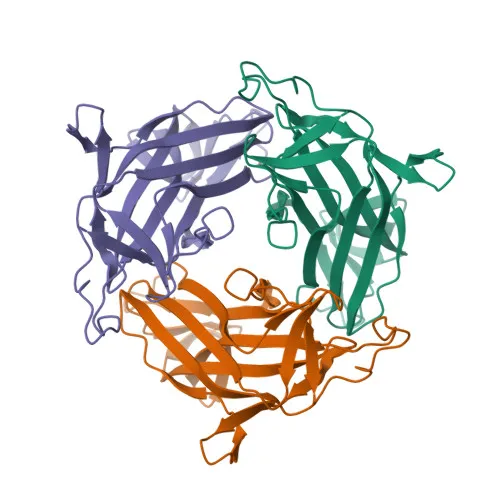
Polyclonal Antibodies
Anti-MYRF Polyclonal Antibody for WB and ELISA - Q9Y2G1
Item Number : CM0023853
Price varies based on specs and customizations
- Application
- WB, ELISA
- Cross Reactivity
- Human, Mouse
- Protein Weight
- 124kDa

Shipping:
Contact us to get shipping details Enjoy On-time Dispatch Guarantee.
Why Choose Us
Easy ordering process, quality products, and dedicated support for your business success.
Core Product Specifications and Parameters
| Parameter | Value |
|---|---|
| Product Name | MYRF Rabbit pAb |
| Remarks/Alias | MRF; CUGS; MMERV; Ndt80; 11orf9; pqn-47; C11orf9; MYRF |
| Species | Human |
| GeneID (human) | 745 |
| GeneID | 745 |
| Immunogen | Synthetic peptide corresponding to a sequence within amino acids 1-100 of human MYRF (NP_001120864.1). |
| Source | Rabbit |
| Category | Polyclonal Antibodies |
| Application | WB, ELISA |
| Cross Reactivity | Human, Mouse |
| SWISS | Q9Y2G1 |
| Protein Weight | 124kDa |
| Shipping | Ice bag |
Biological Background: MYRF Function and Localization
- MYRF is a precursor transcription factor that undergoes autocatalytic cleavage to release an N-terminal component, which acts as a transcription factor specifically activating CNS myelin genes. Related references: PMID:23966832
- The membrane-bound C-terminal part remains anchored to the endoplasmic reticulum membrane and has no transcription factor activity.
- It is a key regulator of oligodendrocyte maturation and CNS myelination, directly activating expression of myelin genes such as MBP, MOG, MAG, DUSP15, and PLP1. Related references: PMID:23966832
- MYRF is required not only during oligodendrocyte differentiation but also for ongoing maintenance of myelin gene expression and the mature oligodendrocyte phenotype. Related references: PMID:23966832
- The protein localizes to the endoplasmic reticulum membrane, nucleus, and cytoplasm.
- Tissue expression is highest in lung, brainstem, uterus, and retinal pigment epithelium, with lower levels in basal ganglion, liver, cerebellum, choroid, and optic nerve. Related references: PMID:10828591, PMID:31048900
- Features include an autocatalytic protease domain, DNA-binding domain, transmembrane helix, and coiled-coil region; it is subject to acetylation and glycosylation.
- Mutations in MYRF are associated with disease variants, highlighting its critical role in CNS myelination and development.
Experimental Guidance and Technical Tips
- For Western blot, the predicted molecular weight is 124 kDa; consider using appropriate gel percentage and transfer conditions for high molecular weight proteins.
- The immunogen is the N-terminal region; the antibody may detect both the full-length precursor and the cleaved N-terminal transcription factor.
- Validate reactivity in human and mouse CNS tissue lysates or oligodendrocyte cell lines, where MYRF expression is enriched.
- For ELISA, titrate the antibody against the immunogen peptide or recombinant MYRF fragments to establish optimal working concentration.
- Be aware that MYRF undergoes autocatalytic cleavage; pretreatment of samples may influence detection of different forms.
CamelBio: Your One-Stop Sourcing Bridge
CamelBio acts as a comprehensive sourcing partner for IVD raw materials, providing reliable access to validated antibody pairs, optimized polyclonal antibodies like this anti-MYRF reagent, bulk ancillary reagents, and even rare-target raw materials to support CNS myelination and transcription research. Our global supply network and technical expertise enable diagnostic manufacturers and laboratories to efficiently procure high-quality materials from discovery through clinical application.
REQUEST A QUOTE
Our professional team will reply to you within one business day. Please feel free to contact us!