Monoclonal Antibodies
Anti-MVD Rabbit Monoclonal Antibody for WB and ELISA - P53602
Item Number : CM0002643
Price varies based on specs and customizations
- Application
- WB, ELISA
- Cross Reactivity
- Human, Rat
- Protein Weight
- 43kDa

Shipping:
Contact us to get shipping details Enjoy On-time Dispatch Guarantee.
Why Choose Us
Easy ordering process, quality products, and dedicated support for your business success.
Core Product Specifications and Parameters
| Parameter | Value |
|---|---|
| Product Name | MVD Rabbit mAb |
| Remarks/Alias | MPD; MDDase; POROK7; FP17780; MVD |
| Species | Human |
| GeneID (Human) | 4597 |
| GeneID | 4597 |
| Immunogen | Synthetic Peptide|A synthetic peptide corresponding to a sequence within amino acids 250-350 of human MVD (P53602). |
| Source | Rabbit |
| Category | Monoclonal Antibodies |
| Application | WB, ELISA |
| Cross Reactivity | Human, Rat |
| SWISS | P53602 |
| Protein Weight | 43kDa |
| Shipping | Ice bag |
Biological Background: MVD Function and Localization
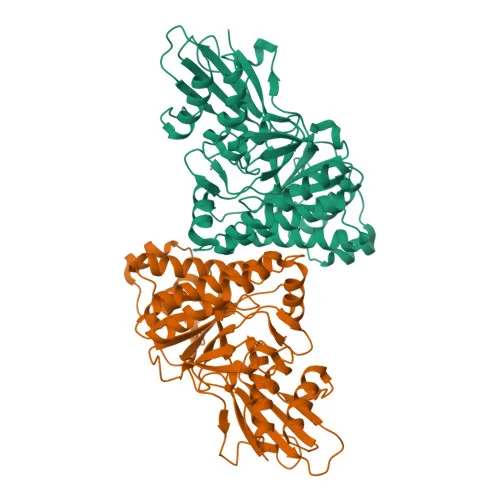
- MVD (diphosphomevalonate decarboxylase), also known as mevalonate (diphospho)decarboxylase (MDDase), is a key enzyme in the mevalonate pathway. It catalyzes the ATP-dependent decarboxylation of (R)-5-diphosphomevalonate to form isopentenyl diphosphate (IPP), a critical building block for isoprenoid and sterol biosynthesis.
- The enzyme functions in the cytoplasm, where it contributes to cholesterol biosynthesis and other lipid metabolic processes. This localization is consistent with its role in the mevalonate pathway.
- MVD is widely expressed across human tissues, including heart, skeletal muscle, lung, liver, brain, pancreas, kidney, and placenta, underscoring its fundamental role in cellular metabolism.
- As a lyase, MVD is involved in the cleavage of carbon-carbon bonds. It requires ATP and nucleotide binding for its catalytic activity.
- The protein undergoes various post-translational modifications, including acetylation and phosphorylation, which may regulate its activity or stability. These modifications are documented in proteomics studies.
- The MVD gene is associated with cholesterol metabolism disorders; disease variants have been identified, linking it to conditions such as porokeratosis (POROK7).
- In addition to sterol and steroid biosynthesis, MVD participates in broader isoprenoid synthesis, influencing processes like protein prenylation and cellular signaling.
Experimental Guidance and Technical Tips
- This rabbit monoclonal antibody was generated against a synthetic peptide from the 250-350 region of human MVD. For Western blot analysis, a band at approximately 43 kDa is expected. Consider starting with a dilution of 1:500-1:2000, and optimize for your specific sample type and experimental conditions.
- The antibody is suitable for ELISA. For sandwich ELISA, pair with a capture antibody targeting a different epitope. Validate the assay using recombinant MVD protein or cell lysates from human or rat origin.
- Since the antibody shows cross-reactivity with rat MVD, it can be used for comparative studies between human and rodent models. However, validate specificity in the relevant species by performing a BLAST alignment of the immunogen sequence against the rat proteome.
- For best results, use fresh samples and include appropriate positive and negative controls (e.g., cell lines with known MVD expression). Always confirm specificity by knock-down or knockout experiments if possible.
CamelBio: Your One-Stop Sourcing Bridge
CamelBio is your one-stop partner for IVD raw material sourcing, offering validated antibodies, antigen pairs, and ancillary reagents for cholesterol metabolism and mevalonate pathway research. This anti-MVD rabbit monoclonal antibody is part of our comprehensive portfolio supporting diagnostic manufacturers and researchers from assay development to clinical application.
REQUEST A QUOTE
Our professional team will reply to you within one business day. Please feel free to contact us!