Monoclonal Antibodies
Anti-MT-ND1 Rabbit Monoclonal Antibody (WB, ELISA) - P03886
Item Number : CM0005204
Price varies based on specs and customizations
- Application
- WB, ELISA
- Cross Reactivity
- Mouse, Rat
- Protein Weight
- 36kDa

Shipping:
Contact us to get shipping details Enjoy On-time Dispatch Guarantee.
Why Choose Us
Easy ordering process, quality products, and dedicated support for your business success.
Core Product Specifications and Parameters
| Parameter | Value |
|---|---|
| Product Name | MT-ND1 Rabbit mAb |
| Remarks/Alias | MTND1, ND1, MT-ND1 |
| Species | Human |
| GeneID (human) | 4535 |
| GeneID | 4535 |
| Immunogen | A synthetic peptide corresponding to a sequence within amino acids 1-100 of human MT-ND1 (P03886) |
| Source | Rabbit |
| Category | Monoclonal Antibodies |
| Application | WB, ELISA |
| Cross Reactivity | Mouse, Rat |
| SWISS | P03886 |
| Protein Weight | 36kDa |
| Shipping | Ice bag |
Biological Background: MT-ND1 Function and Localization
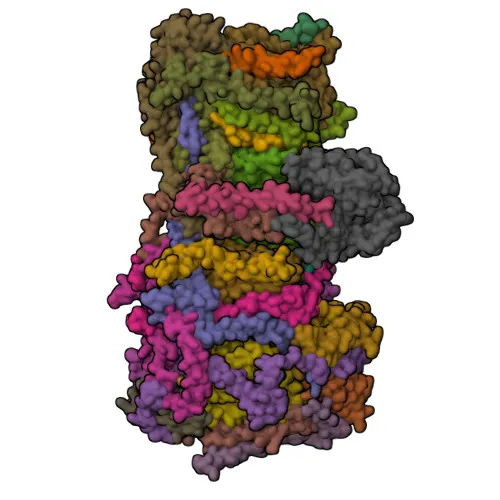
- NADH-ubiquinone oxidoreductase chain 1 (MT-ND1, also known as NADH dehydrogenase subunit 1) is a core subunit of mitochondrial respiratory chain Complex I, catalyzing electron transfer from NADH to ubiquinone. It is essential for both catalytic activity and assembly of the complex.
Related references:
PMID:1959619
PMID:26929434 - The protein is encoded by the mitochondrial gene MT-ND1 (also designated MTND1, NADH1, ND1) and belongs to the respiratory complex I subunit family.
- Localizes to the mitochondrial inner membrane, where it functions as part of the transmembrane domain of Complex I.
- Contains multiple transmembrane helices and participates in the proton translocation coupled to electron transport.
- Clinically significant: mutations in MT-ND1 are associated with Leber hereditary optic neuropathy (LHON), MELAS syndrome, and other mitochondrial disorders; keywords include Alzheimer disease, amyloidosis, diabetes mellitus, epilepsy, and neurodegeneration.
- Predicted molecular weight is ~36 kDa; proteomic analyses confirm its expression in human cells.
Experimental Guidance and Technical Tips
- The immunogen used for this antibody is a synthetic peptide mapping to amino acids 1–100 of human MT-ND1 (UniProt: P03886). Ensuring appropriate epitope exposure in your sample preparation may improve detection.
- For Western blot (WB) applications, consider using a standard primary antibody dilution series (e.g., 1:500–1:2000) and optimize for your specific lysate; the expected band is at ~36 kDa, though post-translational modifications or complex formation may alter mobility.
- In ELISA, titrate the antibody against the immunogen or native protein to determine optimal coating and detection conditions; include appropriate controls.
- The antibody shows cross-reactivity with mouse and rat homologs, making it suitable for multi-species studies; validate in the relevant sample system.
CamelBio: Your One-Stop Sourcing Bridge
CamelBio provides a comprehensive sourcing platform for IVD raw materials, including validated antibody pairs, optimized monoclonal and polyclonal antibodies, bulk ancillary reagents, and support for rare target exploration. For mitochondrial research and diagnostic development targeting Complex I subunits like MT-ND1, our supply chain and technical services facilitate seamless progression from discovery to clinical application.
REQUEST A QUOTE
Our professional team will reply to you within one business day. Please feel free to contact us!