Polyclonal Antibodies
Anti-MST1/STK4 Rabbit Polyclonal Antibody for WB, IF/ICC, IP, ELISA - Q13043
Item Number : CM0029899
Price varies based on specs and customizations
- Application
- WB, IF/ICC, IP, ELISA
- Cross Reactivity
- Human, Mouse, Rat
- Protein Weight
- 56 kDa

Shipping:
Contact us to get shipping details Enjoy On-time Dispatch Guarantee.
Why Choose Us
Easy ordering process, quality products, and dedicated support for your business success.
Core Product Specifications and Parameters
| Parameter | Value |
|---|---|
| Product Name | MST1/STK4 Rabbit pAb |
| Remarks/Alias | KRS2; MST1; YSK3; K4 |
| Species | Human |
| GeneID (Human) | 6789 |
| GeneID | 6789 |
| Immunogen | Recombinant fusion protein containing a sequence corresponding to amino acids 303-487 of human MST1/STK4 (NP_006273.1). |
| Source | Rabbit |
| Category | Polyclonal Antibodies |
| Application | WB, IF/ICC, IP, ELISA |
| Cross Reactivity | Human, Mouse, Rat |
| SWISS | Q13043 |
| Protein Weight | 56 kDa |
| Shipping | Ice bag |
Biological Background: MST1/STK4 Function and Localization
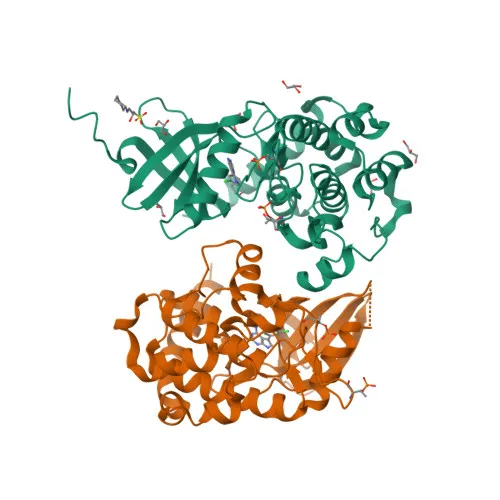
- Serine/threonine-protein kinase 4 (STK4), also known as MST1, KRS2, and YSK3, is a stress-activated, pro-apoptotic kinase encoded by the STK4 gene. It is a key component of the Hippo signaling pathway that controls organ size and suppresses tumors by restricting proliferation and promoting apoptosis.
- MST1/STK4 forms the core of the Hippo kinase cascade together with its regulatory protein SAV1, phosphorylating and activating LATS1/2 in complex with MOB1, which subsequently phosphorylates and inactivates the YAP1 and TAZ oncoproteins.
- Upon caspase cleavage during apoptosis, the active kinase fragment translocates to the nucleus, where it phosphorylates histone H2B at Ser-14 (H2BS14ph), directly triggering chromatin condensation and DNA fragmentation.
- MST1/STK4 phosphorylates multiple downstream targets including FOXO3 (promoting nuclear translocation and cell death), FOXO1 (regulating PMAIP1 transcription), SIRT1 (inhibiting p53 deacetylation to enhance p53-dependent apoptosis), and PKB/AKT1 (acting as an inhibitor).
- It also phosphorylates the androgen receptor (AR) at Ser-650, suppressing AR activity by antagonizing AR-chromatin complex formation and intersecting with AKT1 signaling.
- Subcellular localization is primarily cytoplasmic, but the cleaved active kinase enters the nucleus under apoptotic conditions to exert its pro-apoptotic functions.
- While ubiquitously expressed, MST1/STK4 protein levels are notably increased in prostate cancer from normal to malignant states, suggesting a potential role in cancer progression.
- Key structural features include an N-terminal serine/threonine kinase domain and a C-terminal regulatory domain with a coiled-coil motif; post-translational modifications include acetylation and phosphorylation, and the full-length protein has a predicted molecular weight of approximately 56 kDa.
Experimental Guidance and Technical Tips
- The immunogen corresponds to amino acids 303-487 within the C-terminal regulatory region of human MST1/STK4, avoiding the N-terminal kinase domain; thus, the resulting rabbit polyclonal antibodies may recognize epitopes that are conserved across species with high homology in this region.
- For Western blot (WB), a band near 56 kDa is expected; however, due to caspase cleavage during apoptosis, a smaller ~36 kDa active fragment may also be detected in apoptotic samples—consider using appropriate controls (e.g., staurosporine-treated cells).
- In immunofluorescence/immunocytochemistry (IF/ICC), both cytoplasmic and nuclear localization can be observed depending on the apoptotic state of cells; fixation and permeabilization methods should be optimized for this target.
- For immunoprecipitation (IP), note that the antibody is a polyclonal preparation and may co-precipitate binding partners such as SAV1 or MOB1; validate in your assay system with proper negative controls.
- ELISA performance may be enhanced by using the antibody as a coating or detection reagent when paired with a suitable monoclonal capture antibody specific for MST1/STK4.
- Cross-reactivity is reported for human, mouse, and rat; sequence alignment of the immunogen region shows high conservation among these species, but for other species, verify homology before use.
CamelBio: Your One-Stop Sourcing Bridge
CamelBio provides diagnostic manufacturers, labs, and research institutes with a streamlined, one-stop channel for IVD raw materials—from validated antibody pairs and optimized polyclonal antibodies to bulk ancillary reagents and rare-target sourcing. For apoptosis and Hippo pathway research, this anti-MST1/STK4 rabbit polyclonal antibody offers a reliable tool for multiple applications, and CamelBio’s supply network can support your development needs with additional reagents and technical consultation, helping you move from concept to clinic efficiently.
REQUEST A QUOTE
Our professional team will reply to you within one business day. Please feel free to contact us!