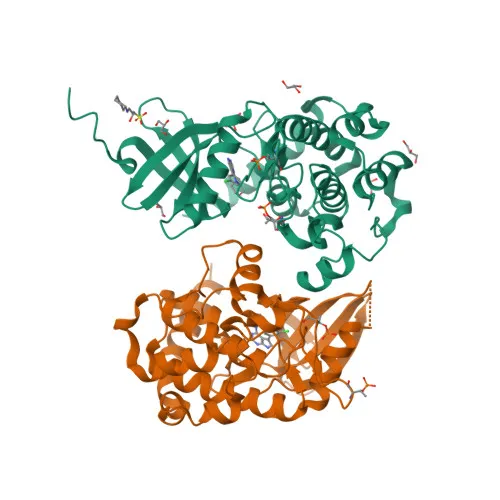
Polyclonal Antibodies
Anti-MST1 Rabbit Polyclonal Antibody for WB, IHC-P, IF/ICC, ELISA - Q13043
Item Number : CM0023708
Price varies based on specs and customizations
- Application
- WB, IHC-P, IF/ICC, ELISA
- Cross Reactivity
- Human, Mouse, Rat
- Protein Weight
- 56kDa

Shipping:
Contact us to get shipping details Enjoy On-time Dispatch Guarantee.
Why Choose Us
Easy ordering process, quality products, and dedicated support for your business success.
Core Product Specifications and Parameters
| Parameter | Value |
|---|---|
| Product Name | MST1 Rabbit pAb |
| Remarks/Alias | KRS2; MST1; YSK3; STK4 |
| Species | Human |
| Gene ID (Human) | 6789 |
| Gene ID | 6789 |
| Immunogen | Recombinant fusion protein containing a sequence corresponding to amino acids 303-487 of human MST1 (NP_006273.1) |
| Source | Rabbit |
| Category | Polyclonal Antibodies |
| Application | WB, IHC-P, IF/ICC, ELISA |
| Cross Reactivity | Human, Mouse, Rat |
| SWISS | Q13043 |
| Protein Weight | 56kDa |
| Shipping | Ice bag |
Biological Background: MST1 (STK4) Function and Localization
- STK4 (MST1) is a serine/threonine-protein kinase that functions as a stress-activated, pro-apoptotic kinase; following caspase cleavage, it enters the nucleus to promote chromatin condensation and DNA fragmentation.
- A core component of the Hippo signaling pathway, MST1, in complex with SAV1, phosphorylates and activates LATS1/2-MOB1, leading to YAP1/TAZ phosphorylation and inhibition, thereby restricting proliferation and promoting apoptosis for organ size control and tumor suppression.
- Directly phosphorylates histone H2B at Ser-14 during apoptosis, and also targets FOXO3, FOXO1, SIRT1, and the androgen receptor (AR), linking to oxidative stress responses, p53-dependent transcription, and DNA damage-induced apoptosis.
- Localizes to both cytoplasm and nucleus, enabling nuclear translocation upon activation to execute transcriptional regulatory functions.
- Expressed ubiquitously, with protein levels observed to increase in prostate cancer from normal to malignant states.
- Belongs to the STE20 kinase family; contains ATP-binding and coiled-coil domains, requires magnesium as a cofactor, and undergoes acetylation and phosphorylation modifications.
- Alternative splicing yields multiple isoforms; the full-length protein has a calculated molecular weight of approximately 55.6 kDa.
Experimental Guidance and Technical Tips
- The immunogen corresponds to amino acids 303-487 (C-terminal region) of human MST1; consider potential isoform-specific recognition when designing experiments.
- For Western blot, a band near 56 kDa is expected; validate in appropriate positive control lysates (e.g., Jurkat, HeLa) under denaturing conditions.
- In immunohistochemistry (IHC-P), antigen retrieval and antibody dilution may require empirical optimization for each tissue type.
- Species cross-reactivity with mouse and rat is indicated; verify reactivity in your specific sample system if using non-human material.
- For immunofluorescence/ICC, fixation and permeabilization conditions should be tested to preserve epitope and cellular localization.
CamelBio: Your One-Stop Sourcing Bridge
CamelBio serves as a comprehensive one-stop sourcing platform for IVD raw materials, connecting diagnostic manufacturers with high-quality antibodies and related reagents. For research into MST1 (STK4)-related Hippo signaling and apoptosis pathways, we offer a portfolio of validated polyclonal and monoclonal antibodies, antigen-grade recombinant proteins, and ancillary assay components. Our supply chain capabilities cover validated antibody pairs, bulk reagent orders, and custom sourcing for rare targets—helping you streamline assay development from early concept to clinical application.
Product Datasheet
Anti-MST1 Rabbit Polyclonal Antibody for WB, IHC-P, IF/ICC, ELISA - Q13043
REQUEST A QUOTE
Our professional team will reply to you within one business day. Please feel free to contact us!