Polyclonal Antibodies
Anti-MSRB3 Rabbit Polyclonal Antibody for WB, IF/ICC, ELISA - Q8IXL7
Item Number : CM0026814
Price varies based on specs and customizations
- Application
- WB, IF/ICC, ELISA
- Cross Reactivity
- Human, Mouse, Rat
- Protein Weight
- 21kDa

Shipping:
Contact us to get shipping details Enjoy On-time Dispatch Guarantee.
Why Choose Us
Easy ordering process, quality products, and dedicated support for your business success.
Core Product Specifications and Parameters
| Parameter | Value |
|---|---|
| Product Name | MSRB3 Rabbit pAb |
| Remarks/Alias | DFNB74; MSRB3 |
| Species | Human |
| GeneID (Human) | 253827 |
| GeneID | 253827 |
| Immunogen | Recombinant fusion protein containing a sequence corresponding to amino acids 1-185 of human MSRB3 (NP_001026849.1) |
| Source | Rabbit |
| Category | Polyclonal Antibodies |
| Application | WB, IF/ICC, ELISA |
| Cross Reactivity | Human, Mouse, Rat |
| SWISS | Q8IXL7 |
| Protein Weight | 21kDa |
| Shipping | Ice bag |
Biological Background: MSRB3 Function and Localization
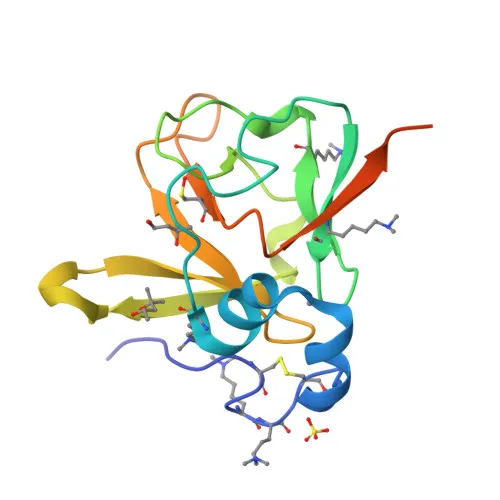
- MSRB3 (Methionine-R-sulfoxide reductase B3) is an enzyme that catalyzes the reduction of both free and protein-bound methionine-R-sulfoxide to methionine, playing a critical role in antioxidant defense and protein repair.
- The gene encodes multiple isoforms through alternative splicing; isoform 2 is specifically essential for hearing function.
- MSRB3 belongs to the MsrB methionine sulfoxide reductase family and contains a zinc-binding domain required for its catalytic activity.
- Subcellularly, MSRB3 localizes to the endoplasmic reticulum and mitochondria, consistent with its role in repairing oxidatively damaged proteins in these compartments.
- Post-translational modifications include acetylation and phosphorylation, which may regulate its activity or stability.
- Mutations in MSRB3 are associated with autosomal recessive non-syndromic deafness (DFNB74), highlighting its importance in auditory system maintenance.
- It is widely expressed across tissues, indicating a general housekeeping function in oxidative stress mitigation.
Experimental Guidance and Technical Tips
- The immunogen covers amino acids 1-185 of the N-terminal region; consider that isoform-specific detection may depend on sequence conservation within this region.
- For Western blot (WB), a band around 21 kDa is expected; validate specificity using appropriate positive and negative cell or tissue lysates.
- In immunofluorescence/immunocytochemistry (IF/ICC), optimize permeabilization conditions to detect mitochondrial or ER-localized MSRB3; co-staining with organelle markers is recommended.
- This antibody shows cross-reactivity with human, mouse, and rat samples; verify performance in your specific experimental model.
- For ELISA applications, consider pairing with a recombinant MSRB3 protein standard to generate a calibration curve.
CamelBio: Your One-Stop Sourcing Bridge
CamelBio supports diagnostic manufacturers and research teams with integrated access to validated raw materials. For MSRB3-related studies in oxidative stress and hearing loss, we offer bulk monoclonal and polyclonal antibodies, optimized antibody pairs, and ancillary reagents. Our sourcing capabilities also cover rare or custom targets, streamlining your development workflow.
REQUEST A QUOTE
Our professional team will reply to you within one business day. Please feel free to contact us!