Polyclonal Antibodies
Anti-MSL1 Rabbit Polyclonal Antibody for WB, ELISA - Q68DK7
Item Number : CM0020973
Price varies based on specs and customizations
- Application
- WB, ELISA
- Cross Reactivity
- Human, Mouse, Rat
- Protein Weight
- 67kDa

Shipping:
Contact us to get shipping details Enjoy On-time Dispatch Guarantee.
Why Choose Us
Easy ordering process, quality products, and dedicated support for your business success.
Core Product Specifications and Parameters
| Parameter | Value |
|---|---|
| Product Name | MSL1 Rabbit pAb |
| Remarks/Alias | MSL-1; MSL1 |
| Species | Human |
| Gene ID (Human) | 339287 |
| Gene ID | 339287 |
| Immunogen | Recombinant fusion protein containing a sequence corresponding to amino acids 210-300 of human MSL1 (NP_001012241) |
| Source | Rabbit |
| Category | Polyclonal Antibodies |
| Application | WB, ELISA |
| Cross Reactivity | Human, Mouse, Rat |
| SWISS | Q68DK7 |
| Protein Weight | 67kDa |
| Shipping | Ice bag |
Biological Background: MSL1 Function and Localization
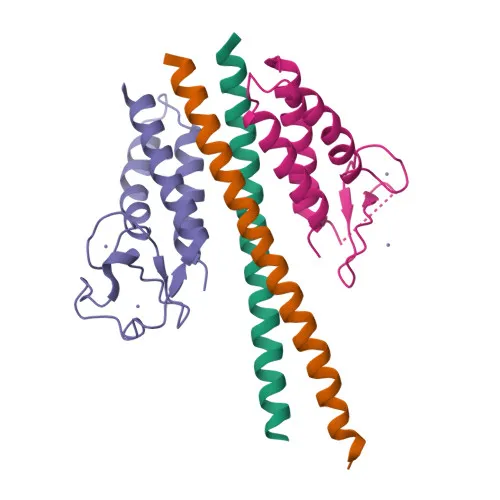
- MSL1 (Male-specific lethal 1 homolog), also known as MSL1-like 1, is a non-catalytic scaffold component of the MSL histone acetyltransferase complex.
- It plays a critical role in chromatin regulation by mediating histone H4 acetylation at Lys-16 (H4K16ac), an epigenetic mark that prevents chromatin compaction and maintains genome stability. Related references: PMID:16227571 PMID:16543150 PMID:33837287
- The MSL complex is essential for gene dosage compensation, promoting up-regulation of genes on the X chromosome to balance autosomal biallelic expression, and also regulates Tsix non-coding RNA expression.
- MSL1 functions as a molecular scaffold within the complex, tethering MSL3 and KAT8 together to regulate the acetyltransferase activity. Related references: PMID:22547026
- It greatly enhances the E3 ubiquitin ligase activity of MSL2, promoting monoubiquitination of histone H2B at Lys-34 (H2BK34Ub), which in turn stimulates H3 methylation at Lys-4 and Lys-79, leading to activation of target genes such as HOXA9 and MEIS1. Related references: PMID:21726816 PMID:30930284
- Subcellularly, MSL1 localizes to the nucleus, specifically within the nucleoplasm and nuclear speckles.
- Post-translational modifications include acetylation, phosphorylation, and ubiquitin-like conjugation, which may regulate its function and interactions.
- Alternative splicing yields multiple isoforms, potentially contributing to functional diversity.
Experimental Guidance and Technical Tips
- The immunogen sequence (aa 210-300) spans a region that may be important for MSL1’s scaffold function; consider this when designing epitope-specific experiments.
- For Western blot, a band at approximately 67kDa is expected; validate specificity using appropriate controls and consider the presence of isoforms.
- In ELISA, the antibody may be used for detecting MSL1 in cell lysates or recombinant proteins; optimize coating and detection conditions for best results.
- Cross-reactivity with mouse and rat suggests conserved epitopes; use relevant lysates to confirm reactivity in your model system.
- Due to MSL1’s nuclear localization, nuclear fractionation or whole-cell lysates are recommended for detection.
CamelBio: Your One-Stop Sourcing Bridge
CamelBio provides diagnostic manufacturers and research institutes with one-stop access to premium raw materials, including validated antibody pairs and bulk ancillary reagents. This MSL1 polyclonal antibody is part of our expanding portfolio for epigenetics and chromatin research, and we can support your assay development with optimized antibodies and custom sourcing for rare targets. Contact us to streamline your procurement and accelerate your project timeline.
REQUEST A QUOTE
Our professional team will reply to you within one business day. Please feel free to contact us!