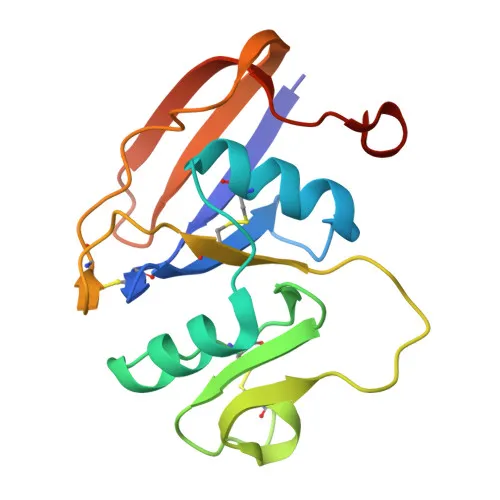
Monoclonal Antibodies
Anti-Mouse CD44 Monoclonal Antibody for IF/ICC and FC - P15379
Item Number : CM0005817
Price varies based on specs and customizations
- Application
- IF/ICC, FC
- Cross Reactivity
- Mouse
- Protein Weight
- 85kDa

Shipping:
Contact us to get shipping details Enjoy On-time Dispatch Guarantee.
Why Choose Us
Easy ordering process, quality products, and dedicated support for your business success.
Core Product Specifications and Parameters
| Parameter | Value |
|---|---|
| Product Name | Rabbit anti-Mouse CD44 mAb |
| Remarks/Alias | Ly-24; Pgp-1; HERMES |
| Species | Mouse |
| GeneID (Human) | 960 |
| GeneID | 12505 |
| Immunogen | Recombinant fusion protein containing a sequence corresponding to amino acids 23-176 of mouse CD44 (NP_033981.2). |
| Source | Rabbit |
| Category | Monoclonal Antibodies |
| Application | IF/ICC, FC |
| Cross Reactivity | Mouse |
| SWISS | P15379 |
| Protein Weight | 85kDa |
| Shipping | Ice bag |
Biological Background: CD44 Function and Localization
- Encodes the CD44 antigen, also known as extracellular matrix receptor III (ECMR-III), GP90 lymphocyte homing/adhesion receptor, HUTCH-I, Hermes antigen, hyaluronate receptor, lymphocyte antigen 24 (Ly-24), and phagocytic glycoprotein 1 (PGP-1/PGP-I). Multiple isoforms are produced by alternative splicing.
- Functions as a cell-surface receptor that mediates cell-cell interactions, adhesion, and migration, enabling cells to sense and respond to the tissue microenvironment. Participates in T-lymphocyte activation, recirculation, and homing, hematopoiesis, inflammation, and response to bacterial infection. Its ectodomain engages extracellular matrix components such as hyaluronan, collagen, growth factors, cytokines, and proteases, while its cytoplasmic domain assembles signaling complexes with receptor kinases, PKN2, RhoGTPases RAC1 and RHOA, Rho-kinases, and phospholipase C to promote calcium mobilization and actin cytoskeleton reorganization. Related references: PMID:25065622 PMID:8343954
- Upon binding to LGALS9 ligand, activates LCK, ERK, and MAPK signaling pathways to stimulate natural killer (NK) cell activation. Related references: PMID:37006235
- Localizes primarily to the cell membrane and microvilli; a secreted form is also produced.
- Specifically expressed in the intestinal epithelium under normal conditions.
- Contains key post-translational modifications including disulfide bonds, glycosylation, phosphorylation, sulfation, and proteoglycan attachment, which are critical for its structural and functional diversity.
- Belongs to a family of adhesion receptors with structural homology and shares functional roles in immune surveillance and tissue homeostasis.
Experimental Guidance and Technical Tips
- The immunogen spans amino acids 23-176 (extracellular domain); thus, the antibody is expected to recognize cell-surface CD44. Confirm reactivity with the specific isoform(s) of interest, as alternative splicing may produce variants lacking this region.
- For immunofluorescence (IF/ICC), consider fixing cells with paraformaldehyde and permeabilizing appropriately. Validate staining in known CD44-expressing mouse cell lines or tissues (e.g., intestinal epithelium).
- For flow cytometry (FC), titrate the antibody to determine the optimal working dilution for your cell type and experimental setup. Include appropriate isotype controls.
- The conjugate provides bright, photostable fluorescence; avoid prolonged light exposure and use within recommended storage conditions.
- As CD44 may be shed from the cell surface, evaluate both surface and intracellular staining protocols if secreted or internalized forms are relevant.
CamelBio: Your One-Stop Sourcing Bridge
CamelBio serves as a trusted one-stop partner for diagnostic manufacturers and research laboratories, streamlining access to IVD raw materials, technical services, and consulting from concept to clinic. For CD44-related projects in cell adhesion, immunology, or inflammation, we offer flexible sourcing solutions including validated antibody pairs, optimized monoclonal/polyclonal antibodies, and bulk ancillary reagents. Our global supply network can help you secure high-quality raw materials for rare or specialized targets, supporting your entire development workflow.
REQUEST A QUOTE
Our professional team will reply to you within one business day. Please feel free to contact us!