Monoclonal Antibodies
Anti-Mouse CD38 Monoclonal Antibody for FC - P56528
Item Number : CM0012440
Price varies based on specs and customizations
- Application
- FC
- Cross Reactivity
- Mouse
- Protein Weight
- 34kDa

Shipping:
Contact us to get shipping details Enjoy On-time Dispatch Guarantee.
Why Choose Us
Easy ordering process, quality products, and dedicated support for your business success.
Core Product Specifications and Parameters
| Parameter | Value |
|---|---|
| Product Name | Rabbit anti-Mouse CD38 monoclonal antibody |
| Remarks/Alias | I-19; ADPRC 1; Cd38-rs1 |
| Species | Mouse |
| GeneID (Human) | 952 |
| GeneID | 12494 |
| Immunogen | Recombinant fusion protein containing a sequence corresponding to amino acids 45-304 of mouse CD38 (NP_031672.2) |
| Source | Rabbit |
| Category | Monoclonal Antibodies |
| Application | FC |
| Cross Reactivity | Mouse |
| SWISS | P56528 |
| Protein Weight | 34kDa |
| Shipping | Ice bag |
Biological Background: CD38 Function and Localization
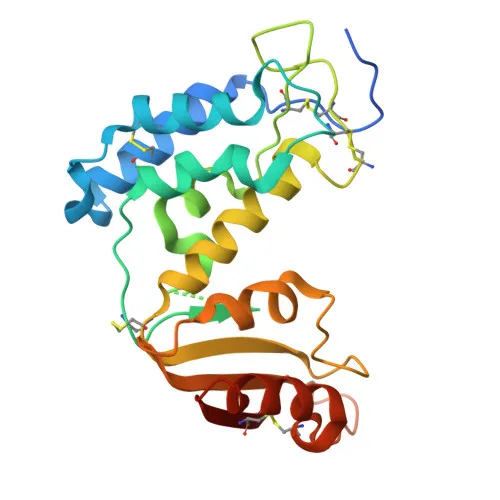
- CD38 encodes a multifunctional transmembrane glycoprotein that acts as both an enzyme and a receptor. It synthesizes cyclic ADP-ribose (cADPR), a second messenger for glucose-induced insulin secretion, and also produces nicotinate-adenine dinucleotide phosphate (NAADP), a Ca²⁺ mobilizer, from 2'-phospho-cADPR and nicotinic acid, as well as from NADP(+) and nicotinic acid. Related references: PMID:11829748
- The protein possesses ADP-ribosyl cyclase, cyclic ADP-ribose hydrolase, and 2'-phospho-ADP-ribosyl cyclase/transferase activities, enabling it to interconvert NAD⁺ and NADP⁺ derivatives.
- As a receptor, CD38 binds the ligand CD31 on endothelial cells, promoting lymphocyte activation, proliferation, and migration across the endothelial barrier. It also regulates dendritic cell functions such as CCL21-driven migration, survival, and Th1-polarizing activity.
- CD38 is located on the cell membrane and features a single transmembrane helix with a signal-anchor topology.
- Key structural features include disulfide bonds and glycosylation sites, classifying it as a glycoprotein.
- In the immune system, CD38 is expressed on various leukocyte subsets and is involved in signaling pathways that activate LCK and LAT in lamina propria T lymphocytes, leading to cytokine release.
Experimental Guidance and Technical Tips
- The immunogen comprises amino acids 45–304 of mouse CD38, covering the extracellular enzymatic and receptor domains. This design may yield antibodies that recognize native cell-surface CD38, suitable for flow cytometry (FC).
- For FC, titrate the antibody to determine the optimal concentration using mouse lymphocytes or cell lines known to express CD38. Include appropriate isotype controls and viable/dead cell discrimination.
- Consider co-staining with cell lineage markers to profile CD38 expression on specific immune cell populations (e.g., T cells, B cells, dendritic cells).
- Verify the antibody’s reactivity under the experimental conditions of your assay, as the recombinant immunogen may differ from endogenous protein in glycosylation or conformation.
CamelBio: Your One-Stop Sourcing Bridge
CamelBio simplifies IVD raw-material sourcing for diagnostic manufacturers and research laboratories by providing reliable monoclonal antibodies like this anti-mouse CD38 clone, which targets a key immune and metabolic regulator. Leveraging our extensive supply network, we can also deliver matched antibody pairs, bulk ancillary reagents, and access to rare targets—streamlining your workflow from concept to clinic. Whether you need optimized flow cytometry reagents or customized procurement solutions, CamelBio serves as your trusted partner across the entire IVD development pipeline.
REQUEST A QUOTE
Our professional team will reply to you within one business day. Please feel free to contact us!