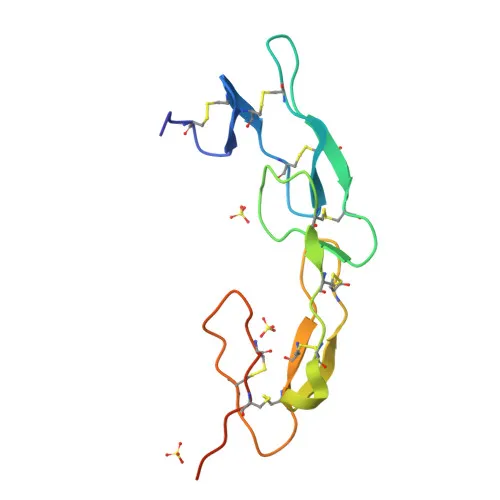
Monoclonal Antibodies
Anti-Mouse CD270/HVEM Monoclonal Antibody for Flow Cytometry - Q80WM9
Item Number : CM0011009
Price varies based on specs and customizations
- Application
- FC
- Cross Reactivity
- Mouse
- Protein Weight
- 30kDa

Shipping:
Contact us to get shipping details Enjoy On-time Dispatch Guarantee.
Why Choose Us
Easy ordering process, quality products, and dedicated support for your business success.
Core Product Specifications and Parameters
| Parameter | Specification |
|---|---|
| Product Name | Rabbit anti-Mouse CD270/HVEM mAb |
| Remarks/Alias | TR2; Atar; HveA; Hvem; Tnfrs14 |
| Species | Mouse |
| GeneID (Human) | 8764 |
| GeneID | 230979 |
| Immunogen | Recombinant protein (Recombinant fusion protein containing a sequence corresponding to amino acids 39-207 of mouse CD270/HVEM (NP_849262.1)) |
| Source | Rabbit |
| Category | Monoclonal Antibodies |
| Application | FC |
| Cross Reactivity | Mouse |
| SWISS | Q80WM9 |
| Protein Weight | 30kDa |
| Shipping | Ice bag |
Biological Background: CD270/HVEM Function and Localization
- CD270/HVEM (TNFRSF14) is a member of the tumor necrosis factor receptor superfamily, also known as herpes virus entry mediator A (HveA) and TR2.
- Acts as a receptor for both TNF superfamily ligands (TNFSF14/LIGHT, homotrimeric LTA) and immunoglobulin superfamily members (BTLA, CD160), mediating a complex network of stimulatory and inhibitory signals. Related references: PMID:19915044
- Upon LIGHT engagement, delivers costimulatory signals to T cells, promoting proliferation and effector functions.
- Interacts with CD160 on NK cells, enhancing interferon-gamma production and anti-tumor immune responses. Related references: PMID:25711213
- In epithelial cells, serves as a receptor for CD160 from intraepithelial lymphocytes during bacterial infection, triggering antimicrobial proteins and pro-inflammatory cytokines. Related references: PMID:22801499
- Engages in both cis and trans interactions with BTLA; cis interactions on naïve T cells maintain resting state, while trans interactions during adaptive responses provide survival signals. Related references: PMID:15568026, PMID:19915044
- Localizes to the cell membrane and is expressed at mucosal sites (colon, lung) and in naïve T cells. Related references: PMID:22801499, PMID:19915044
- Key post-translational modifications include disulfide bonds, glycosylation, and phosphorylation (by similarity).
Experimental Guidance and Technical Tips
- The immunogen corresponds to the extracellular domain (aa 39–207) of mouse CD270/HVEM, encompassing the ligand-binding region; this design may be suitable for detecting native surface-expressed receptor in flow cytometry.
- For flow cytometry applications, consider using appropriate isotype controls and titrate the antibody to determine optimal staining concentrations in your specific mouse cell samples.
- Since CD270/HVEM is expressed on T cells, NK cells, and epithelial cells, validate the antibody’s specificity in the relevant cell population using knockout or blocking controls if available.
- Avoid repeated freeze-thaw cycles; store and handle according to recommended conditions (shipped on ice bag).
CamelBio: Your One-Stop Sourcing Bridge
CamelBio provides diagnostic manufacturers and researchers with one-stop access to validated IVD raw materials, including this anti-mouse CD270/HVEM monoclonal antibody for immune checkpoint and infectious disease research. Beyond antibodies, we offer bulk ancillary reagents, optimized antibody pairs, and rare target sourcing to streamline your assay development from concept to clinic. Partner with us to accelerate your next-generation diagnostic and therapeutic projects.
Product Datasheet
Anti-Mouse CD270/HVEM Monoclonal Antibody for Flow Cytometry - Q80WM9
REQUEST A QUOTE
Our professional team will reply to you within one business day. Please feel free to contact us!