Polyclonal Antibodies
Anti-Monoamine Oxidase A (MAOA) Rabbit Polyclonal Antibody for WB, IF/ICC, IHC-P, ELISA - P21397
Item Number : CM0015490
Price varies based on specs and customizations
- Application
- WB, IF/ICC, IHC-P, ELISA
- Cross Reactivity
- Human, Mouse, Rat
- Protein Weight
- 61 kDa

Shipping:
Contact us to get shipping details Enjoy On-time Dispatch Guarantee.
Why Choose Us
Easy ordering process, quality products, and dedicated support for your business success.
Core Product Specifications and Parameters
| Parameter | Value |
|---|---|
| Product Name | Monoamine Oxidase A (MAOA) Rabbit pAb |
| Remarks/Alias | BRNRS; MAO-A; Monoamine Oxidase A (MAOA) |
| Species | Human |
| GeneID (human) | 4128 |
| GeneID | 4128 |
| Immunogen | Recombinant fusion protein containing a sequence corresponding to amino acids 1-260 of human Monoamine Oxidase A (NP_000231.1) |
| Source | Rabbit |
| Category | Polyclonal Antibodies |
| Application | WB, IF/ICC, IHC-P, ELISA |
| Cross Reactivity | Human, Mouse, Rat |
| SWISS | P21397 |
| Protein Weight | 61 kDa |
| Shipping | Ice bag |
Biological Background: Monoamine Oxidase A Function and Localization
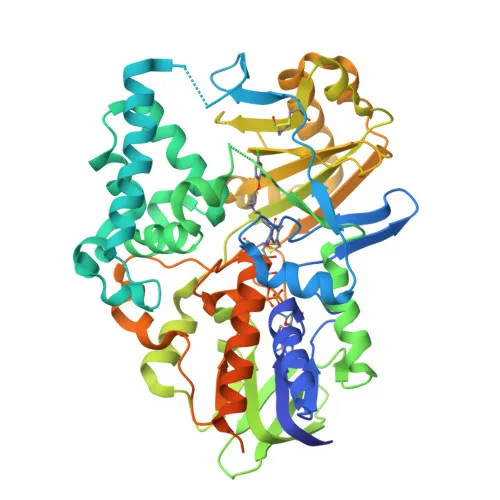
- MAOA encodes amine oxidase [flavin-containing] A, a mitochondrial enzyme that catalyzes the oxidative deamination of primary and some secondary amines, with a preference for serotonin. Related references: PMID:18391214, PMID:20493079, PMID:24169519
- The enzyme plays a critical role in the metabolism of neuroactive and vasoactive amines in the central nervous system and peripheral tissues, including the degradation of neurotransmitters such as dopamine, norepinephrine, and serotonin. Related references: PMID:18391214, PMID:20493079, PMID:24169519
- MAOA also catalyzes the oxidative deamination of kynuramine to 3-(2-aminophenyl)-3-oxopropanal, which can spontaneously condense to 4-hydroxyquinoline (By similarity).
- Subcellularly, MAOA localizes to the mitochondrial outer membrane, positioning it at the interface of cytoplasmic and mitochondrial amine pools.
- Tissue expression is high in heart, liver, duodenum, blood vessels, and kidney, consistent with roles in vascular and metabolic amine clearance.
- MAOA is subject to acetylation and phosphorylation, and alternative splicing produces multiple isoforms; genetic variants are associated with Brunner syndrome and other intellectual disabilities.
- The protein belongs to the flavin-containing amine oxidase family and requires FAD as a cofactor for its catalytic activity.
Experimental Guidance and Technical Tips
- The immunogen spans the N-terminal region (aa 1–260) of human MAOA, conserved across human, mouse, and rat (as indicated by cross-reactivity data). For detection in other species, confirm sequence homology before use.
- For Western blot, a predominant band around 61 kDa is expected; consider using reducing conditions and validate with appropriate positive control lysates (e.g., human heart or liver tissue).
- For IHC-P, standard antigen retrieval methods (e.g., citrate buffer, heat-induced epitope retrieval) may enhance signal; titration of primary antibody is recommended.
- In ELISA, the polyclonal nature provides robust capture/detection capabilities when paired with a monoclonal antibody for sandwich assays.
CamelBio: Your One-Stop Sourcing Bridge
CamelBio serves as a comprehensive sourcing partner for IVD raw materials, offering validated antibody pairs, optimized polyclonal antibodies like this anti-MAOA, and bulk ancillary reagents to support diagnostic development in neurotransmitter metabolism and related fields. Whether you need ready-to-use kits or custom rare-target sourcing, our integrated supply chain bridges the gap from concept to clinic.
Product Datasheet
Anti-Monoamine Oxidase A (MAOA) Rabbit Polyclonal Antibody for WB, IF/ICC, IHC-P, ELISA - P21397
REQUEST A QUOTE
Our professional team will reply to you within one business day. Please feel free to contact us!