Polyclonal Antibodies
Anti-MGEA5 Polyclonal Antibody for WB, IHC-P, ELISA - O60502
Item Number : CM0029644
Price varies based on specs and customizations
- Application
- WB, IHC-P, ELISA
- Cross Reactivity
- Human, Mouse, Rat
- Protein Weight
- 103kDa

Shipping:
Contact us to get shipping details Enjoy On-time Dispatch Guarantee.
Why Choose Us
Easy ordering process, quality products, and dedicated support for your business success.
Core Product Specifications and Parameters
| Parameter | Value |
|---|---|
| Product Name | MGEA5 Rabbit pAb |
| Remarks/Alias | MEA5; MGEA5; NCOAT |
| Species | Human |
| Gene ID (Human) | 10724 |
| Gene ID | 10724 |
| Immunogen | Recombinant fusion protein containing a sequence corresponding to amino acids 380-580 of human MGEA5 (NP_001135906.1). |
| Source | Rabbit |
| Category | Polyclonal Antibodies |
| Application | WB, IHC-P, ELISA |
| Cross Reactivity | Human, Mouse, Rat |
| SWISS | O60502 |
| Protein Weight | 103kDa |
| Shipping | Ice bag |
Biological Background: MGEA5/OGA Function and Localization
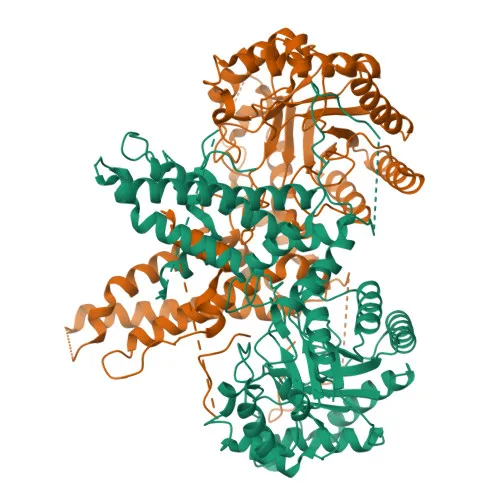
- MGEA5 encodes Protein O-GlcNAcase (OGA), also termed beta-N-acetylglucosaminidase, NCOAT, and meningioma-expressed antigen 5. Alternative splicing generates multiple isoforms with potentially distinct catalytic activities.
- OGA is a glycoside hydrolase that specifically removes O-linked N-acetylglucosamine (O-GlcNAc) from serine/threonine residues of target proteins, a key post‑translational modification regulating signaling, transcription, and stress responses. Related references: PMID:11148210 PMID:11788610 PMID:20673219
- It deglycosylates a diverse substrate pool, including CRYAB, ELK1, GSDMD, LMNB1, and TAB1, thereby modulating processes like inflammation, apoptosis, and chromatin organization. Related references: PMID:28939839 PMID:37962578
- OGA lacks histone acetyltransferase activity and does not bind acetyl‑CoA, distinguishing it from bifunctional enzymes and confirming its sole role as an O‑GlcNAcase. Related references: PMID:24088714
- In vitro, OGA can hydrolyze synthetic substrates such as p‑nitrophenyl‑β‑GlcNAc, but it does not cleave GalNAc‑based substrates, demonstrating strict specificity. Related references: PMID:20673219
- The protein localizes to both nucleus and cytoplasm, enabling it to target nuclear factors (e.g., histones, transcription factors) and cytoplasmic signaling molecules, thereby influencing gene expression and cellular metabolism.
- OGA is a phosphoprotein; phosphorylation may regulate its enzymatic activity, subcellular distribution, or protein‑protein interactions, though the functional consequences are still under investigation.
- Ubiquitously expressed, OGA shows highest mRNA levels in brain, placenta, and pancreas, tissues with high metabolic and proliferative demands, consistent with its role in dynamic O‑GlcNAc cycling.
Experimental Guidance and Technical Tips
- The immunogen covers amino acids 380‑580, a central region conserved across isoforms; thus, the antibody may detect multiple splice variants. Verify the detected band(s) correspond to the expected molecular weight (~103 kDa) in your sample type.
- For Western blot (WB), consider using whole‑cell or tissue extracts from human, mouse, or rat origin, as cross‑reactivity has been confirmed. OGA is widely expressed, but enrichment may be observed in brain or placenta.
- In immunohistochemistry (IHC‑P), both nuclear and cytoplasmic staining can be anticipated; include appropriate negative controls (e.g., isotype‑matched control or peptide blocking) to confirm signal specificity.
- When performing ELISA, optimize coating antigen and antibody dilutions using known positive samples; the antibody’s reactivity with recombinant protein suggests suitability for sandwich or direct ELISA setups.
- Because O‑GlcNAc levels fluctuate with cellular stress, consider treating cells with O‑GlcNAcase inhibitors (e.g., Thiamet G) to stabilize the modification before lysis, which may affect antibody recognition of certain epitopes.
- Always validate the antibody in your specific experimental context, as performance can vary with fixation methods, antigen retrieval, and detection systems.
CamelBio: Your One-Stop Sourcing Bridge
CamelBio is your dedicated partner in IVD raw material sourcing, connecting diagnostic manufacturers and research labs with high-quality antibodies and reagents. This anti-MGEA5 polyclonal antibody, targeting the critical O‑GlcNAcase enzyme, supports research into O‑GlcNAcylation-related pathways and diseases. Beyond individual antibodies, CamelBio provides validated antibody pairs, optimized monoclonals and polyclonals, bulk ancillary reagents, and assists in sourcing rare-target raw materials—empowering your diagnostic development from concept to clinic.
REQUEST A QUOTE
Our professional team will reply to you within one business day. Please feel free to contact us!