Polyclonal Antibodies
Anti-MEX3D Polyclonal Antibody for WB, ELISA - Q86XN8
Item Number : CM0021563
Price varies based on specs and customizations
- Application
- WB, ELISA
- Cross Reactivity
- Mouse
- Protein Weight
- 65kDa

Shipping:
Contact us to get shipping details Enjoy On-time Dispatch Guarantee.
Why Choose Us
Easy ordering process, quality products, and dedicated support for your business success.
Core Product Specifications and Parameters
| Parameter | Value |
|---|---|
| Product Name | MEX3D Rabbit pAb |
| Remarks/Alias | MEX3; TINO; RKHD1; MEX-3D; RNF193; OK/SW-cl.4; MEX3D |
| Species | Human |
| GeneID (human) | 399664 |
| GeneID | 399664 |
| Immunogen | Synthetic Peptide|A synthetic peptide corresponding to a sequence within amino acids 500-600 of human MEX3D (NP_976049.3). |
| Source | Rabbit |
| Category | Polyclonal Antibodies |
| Application | WB, ELISA |
| Cross Reactivity | Mouse |
| SWISS | Q86XN8 |
| Protein Weight | 65kDa |
| Shipping | Ice bag |
Biological Background: MEX3D Function and Localization
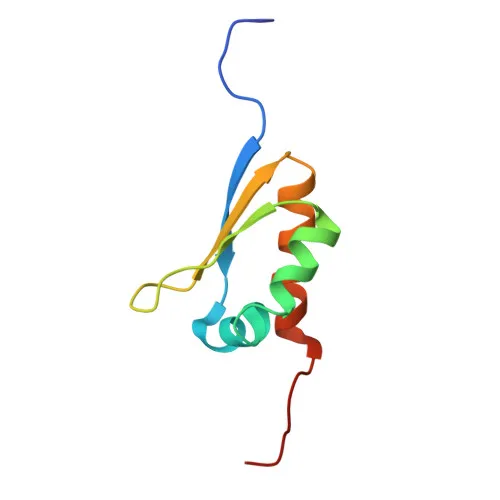
- MEX3D (RNA-binding protein MEX3D) is a member of the MEX3 family, also known as RING finger and KH domain-containing protein 1 (RKHD1), RING finger protein 193 (RNF193), or TINO.
- It contains multiple KH domains that mediate RNA binding and a RING finger domain, suggesting a role in post-transcriptional gene regulation through direct RNA interaction.
- The primary function of MEX3D is associated with post-transcriptional regulatory mechanisms, although detailed molecular pathways remain under investigation.
- Alternative splicing of the MEX3D gene produces multiple isoforms, which may have distinct tissue or functional profiles.
- Subcellularly, MEX3D localizes to both the cytoplasm and the nucleus, consistent with its potential roles in mRNA transport, stability, or translation control.
- MEX3D is ubiquitously expressed across a wide range of human cell lines and tissues, indicating a fundamental cellular role.
- The protein is phosphorylated (a phosphoprotein), suggesting that its activity or localization may be regulated by cellular signaling pathways.
- Structural and functional features include zinc coordination (metal-binding, zinc-finger) and the presence of repeated domains, which support interactions with RNA and possibly other proteins.
Experimental Guidance and Technical Tips
- The immunogen used is a synthetic peptide from the 500–600 amino acid region of human MEX3D; for western blot, consider starting with a range of antibody dilutions to optimize signal-to-noise ratio.
- The predicted molecular weight is approximately 65 kDa; however, additional bands may appear due to alternative splicing isoforms or post-translational modifications such as phosphorylation.
- For ELISA applications, the peptide-based immunogen design suggests suitability for direct or sandwich ELISA formats; validate with recombinant or native MEX3D in your sample system.
- Given the polyclonal nature, lot-to-lot consistency should be assessed, especially when transitioning from development to routine testing.
- This antibody cross-reacts with mouse MEX3D, enabling its use in mouse models or comparative studies; confirm reactivity in your specific mouse tissue or cell line context.
CamelBio: Your One-Stop Sourcing Bridge
CamelBio offers diagnostic manufacturers and research institutions seamless access to a wide portfolio of IVD raw materials, including validated antibody pairs, optimized monoclonal and polyclonal antibodies, bulk ancillary reagents, and rare target sourcing. For MEX3D-focused projects, we can help streamline procurement from early-stage assay development to scale-up, ensuring consistent supply and technical alignment. Whether you need routine catalog products or customized solutions in RNA-binding protein and post-transcriptional regulation research, CamelBio stands ready as your reliable sourcing partner.
REQUEST A QUOTE
Our professional team will reply to you within one business day. Please feel free to contact us!