Polyclonal Antibodies
Anti-METTL3 Rabbit Polyclonal Antibody for WB, IHC-P, IF/ICC, ELISA - Q86U44
Item Number : CM0028645
Price varies based on specs and customizations
- Application
- WB, IHC-P, IF/ICC, ELISA
- Cross Reactivity
- Human, Mouse, Rat
- Protein Weight
- 64kDa

Shipping:
Contact us to get shipping details Enjoy On-time Dispatch Guarantee.
Why Choose Us
Easy ordering process, quality products, and dedicated support for your business success.
Core Product Specifications and Parameters
| Parameter | Value |
|---|---|
| Product Name | [KD Validated] METTL3 Rabbit pAb |
| Remarks/Alias | M6A; IME4; Spo8; MT-A70; hMETTL3; METTL3 |
| Species | Human |
| GeneID (human) | 56339 |
| GeneID | 56339 |
| Immunogen | Recombinant protein|Recombinant fusion protein containing a sequence corresponding to amino acids 1-156 of human METTL3 (NP_062826.2). |
| Source | Rabbit |
| Category | Polyclonal Antibodies |
| Application | WB, IHC-P, IF/ICC, ELISA |
| Cross Reactivity | Human, Mouse, Rat |
| SWISS | Q86U44 |
| Protein Weight | 64kDa |
| Shipping | Ice bag |
Biological Background: METTL3 Function and Localization
-
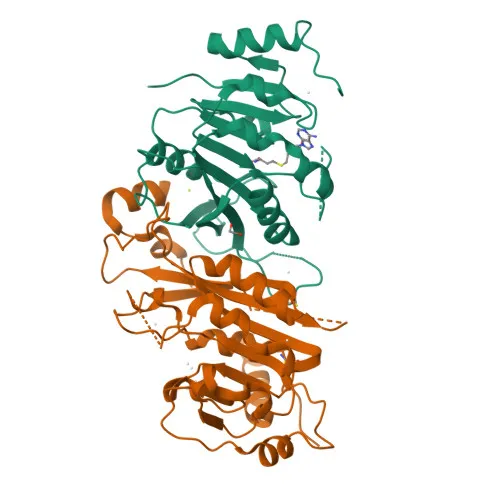
Protein identity: N(6)-adenosine-methyltransferase catalytic subunit METTL3, also designated methyltransferase-like protein 3 (hMETTL3) or MT-A70, is the catalytic component of the METTL3-METTL14 RNA N6-methyltransferase complex.
-
Core N6-methyltransferase function: The METTL3-METTL14 heterodimer catalyzes the formation of N6-methyladenosine (m6A) on RNA, preferentially at 5'-[AG]GAC-3' consensus motifs. m6A modification regulates mRNA stability, processing, translation efficiency, and editing, influencing diverse biological processes. Related references: PMID:22575960 | PMID:24284625 | PMID:25719671 | PMID:27281194 | PMID:27373337 | PMID:27627798
-
Biological roles: METTL3-mediated m6A methylation is involved in circadian clock regulation, embryonic and hematopoietic stem cell differentiation, cortical neurogenesis, T-cell homeostasis, spermatogenesis, oogenesis, and the response to DNA damage.
-
Subcellular localization: Predominantly nuclear with enrichment in nuclear speckles; also detected in the cytoplasm, consistent with its functions in nuclear RNA modification and cytoplasmic translation promotion.
-
Tissue specificity: Ubiquitously expressed at low levels; particularly detected in spleen, thymus, prostate, testis, ovary, small intestine, colon, and peripheral blood leukocytes.
-
Post-translational modifications and keywords: Acetylated, phosphorylated, and subject to ubiquitin conjugation. Possesses RNA-binding and S-adenosyl-L-methionine-binding domains, with a molecular weight of 64,474 Da.
-
Cancer relevance: Overexpression is observed in several cancer types, promoting cell proliferation partly through a methyltransferase-independent enhancement of mRNA translation. Related references: PMID:27117702
-
Additional substrates: Methylates primary miRNAs (pri-miRNAs) to facilitate recognition and processing by DGCR8, and modifies SARS-CoV-2 RNA to dampen RIG-I-dependent innate immune sensing. Related references: PMID:25799998 | PMID:33961823
Experimental Guidance and Technical Tips
- Immunogen design: The immunogen corresponds to the N-terminal 1-156 amino acids of human METTL3, which is well conserved across human, mouse, and rat, supporting its cross-reactivity claims.
- Western blot (WB): Use whole-cell or nuclear lysates; a band near 64 kDa is expected. Validate the antibody performance in your specific sample system, as post-translational modifications or isoform variants may influence mobility.
- Immunohistochemistry (IHC-P) and immunofluorescence (IF/ICC): Antigen retrieval may be necessary for paraffin sections. Nuclear and nuclear speckle staining should predominate; cytoplasmic signals may also be observed depending on cell type and fixation conditions.
- ELISA: The antibody can be used as a detection reagent against recombinant METTL3 or peptide antigens; pairing with a METTL3 capture antibody may be explored for sandwich ELISA development.
- Cross-reactivity: Reported to recognize human, mouse, and rat METTL3; verification with appropriate positive and negative controls is advised for each species.
CamelBio: Your One-Stop Sourcing Bridge
CamelBio specializes in providing diagnostic manufacturers, laboratories, and research institutes with a complete range of IVD raw materials and technical support, covering every step from concept to clinic. This anti-METTL3 antibody is well-suited for studies in epitranscriptomics, cancer biology, and RNA modification research. As a trusted B2B partner, CamelBio offers validated antibody pairs, optimized monoclonal and polyclonal antibodies, bulk ancillary reagents, and tailored sourcing of rare-target raw materials to accelerate your assay development and manufacturing workflows.
Product Datasheet
Anti-METTL3 Rabbit Polyclonal Antibody for WB, IHC-P, IF/ICC, ELISA - Q86U44
REQUEST A QUOTE
Our professional team will reply to you within one business day. Please feel free to contact us!