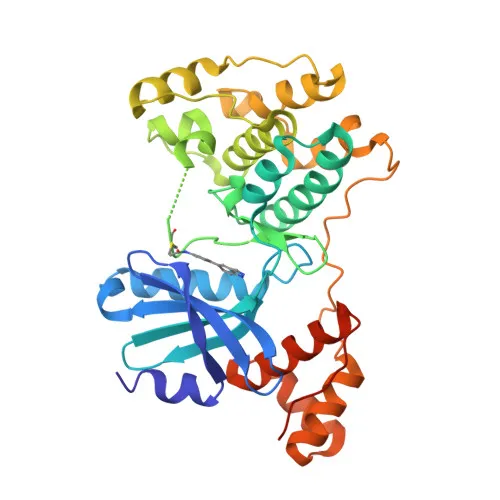
Monoclonal Antibodies
Anti-MELK/HPK38 Rabbit Monoclonal Antibody for WB, ELISA - Q14680
Item Number : CM0005400
Price varies based on specs and customizations
- Application
- WB, ELISA
- Cross Reactivity
- Human, Mouse, Rat
- Protein Weight
- 75kDa

Shipping:
Contact us to get shipping details Enjoy On-time Dispatch Guarantee.
Why Choose Us
Easy ordering process, quality products, and dedicated support for your business success.
Core Product Specifications and Parameters
| Parameter | Value |
|---|---|
| Product Name | MELK Rabbit mAb |
| Remarks/Alias | HPK38; MELK |
| Species | Human |
| GeneID (Human) | 9833 |
| GeneID | 9833 |
| Immunogen | Synthetic Peptide (A synthetic peptide corresponding to a sequence within amino acids 1-100 of human MELK (NP_055606.1)) |
| Source | Rabbit |
| Category | Monoclonal Antibodies |
| Application | WB, ELISA |
| Cross Reactivity | Human, Mouse, Rat |
| SWISS | Q14680 |
| Protein Weight | 75kDa |
| Shipping | Ice bag |
Biological Background: MELK Function and Localization
- Maternal embryonic leucine zipper kinase (MELK, also known as HPK38, pEg3 kinase, hPK38, and tyrosine-protein kinase MELK) is a serine/threonine-protein kinase encoded by the MELK gene (GeneID: 9833).
- It plays critical roles in cell cycle regulation, stem cell self-renewal, apoptosis, and splicing regulation; phosphorylates substrates including BCL2L14, CDC25B, MAP3K5/ASK1, and ZNF622.
- Acts as an apoptosis activator by phosphorylating and activating MAP3K5/ASK1; also phosphorylates and inhibits BCL2L14, potentially affecting mammary carcinogenesis.
- Regulates cell cycle by mediating phosphorylation of CDC25B, promoting its localization to the centrosome and spindle poles during mitosis; contributes to mitotic progression.
- Required for proliferation of embryonic and postnatal multipotent neural progenitors, highlighting a role in neurogenesis.
- Inhibits spliceosome assembly during mitosis by phosphorylating ZNF622 and redirecting it to the nucleus.
- Localizes to the cell membrane; also may play a role in primitive hematopoiesis.
- Tissue expression: detected in placenta, kidney, thymus, testis, ovary, and intestine.
Experimental Guidance and Technical Tips
- The immunogen is a synthetic peptide corresponding to amino acids 1-100 of human MELK (NP_055606.1); consider this when designing detection or blocking strategies.
- For Western blotting (WB), MELK has a predicted molecular weight of ~75 kDa; verify band size in your specific sample system.
- This antibody cross-reacts with human, mouse, and rat MELK; suitable for cross-species studies. Validate conditions for each species.
- ELISA protocols may require optimization of coating antigen and antibody concentration; test against recombinant or native MELK.
CamelBio: Your One-Stop Sourcing Bridge
CamelBio streamlines IVD raw material procurement for diagnostic developers and research labs. For projects targeting cell cycle, apoptosis, and cancer pathways, we supply validated monoclonal antibodies like this MELK Rabbit mAb, along with matched antibody pairs, bulk ancillary reagents, and custom sourcing for rare or challenging targets. Partner with CamelBio to accelerate your assay development from concept to clinic.
REQUEST A QUOTE
Our professional team will reply to you within one business day. Please feel free to contact us!