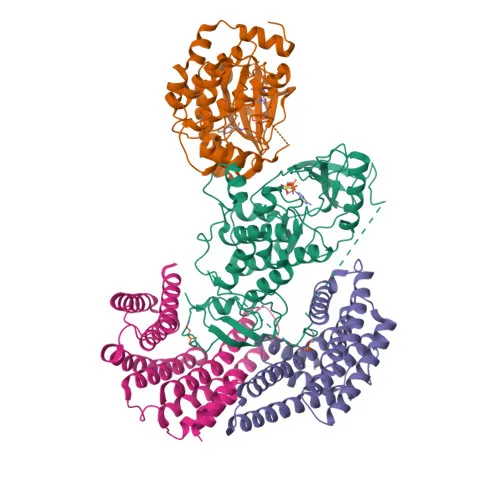
Monoclonal Antibodies
Anti-MEK1/MEK2 Monoclonal Antibody for WB, IHC-P, ELISA - Q02750 / P36507
Item Number : CM0007259
Price varies based on specs and customizations
- Application
- WB, IHC-P, ELISA
- Cross Reactivity
- Human, Mouse, Rat
- Protein Weight
- 44kDa

Shipping:
Contact us to get shipping details Enjoy On-time Dispatch Guarantee.
Why Choose Us
Easy ordering process, quality products, and dedicated support for your business success.
Core Product Specifications and Parameters
| Parameter | Description |
|---|---|
| Product Name | MEK1/MEK2 Rabbit mAb |
| Remarks/Alias | CFC3; MAPKK1; MEK1; MKK1; PRKMK1; MEK1/MEK2 |
| Species | Human |
| Gene ID (Human) | 5604/5605 |
| Immunogen | Synthetic peptide corresponding to a sequence within amino acids 170-270 of human MEK1/MEK2 (NP_002746.1) |
| Source | Rabbit |
| Category | Monoclonal Antibodies |
| Application | WB, IHC-P, ELISA |
| Cross Reactivity | Human, Mouse, Rat |
| SWISS | Q02750 / P36507 |
| Protein Weight | 44kDa |
| Shipping | Ice bag |
Biological Background: MEK1/MEK2 Function and Localization
- MEK1 (MAP2K1) and MEK2 (MAP2K2) are dual-specificity protein kinases that serve as critical components of the MAPK/ERK signaling cascade, transmitting signals from activated RAS to ERK.
- They catalyze the phosphorylation of threonine and tyrosine residues in the Thr-Glu-Tyr motif of MAPK3/ERK1 and MAPK1/ERK2, leading to their activation and propagation of downstream signals involved in cell growth, adhesion, survival, and differentiation.
- MEK1 activates BRAF in a KSR1- or KSR2-dependent manner, relieving inhibitory intramolecular interactions to promote BRAF dimerization and activation. Related references: PMID:29433126
- Subcellularly, MEK1 is found in the cytoplasm, including centrosomes and spindle poles, and can shuttle to the nucleus and membrane, reflecting its dynamic role in signal transduction.
- MEK1 is widely expressed across tissues, with particularly low levels in the brain.
- The protein is subject to multiple post-translational modifications including phosphorylation and acetylation, and it harbors kinase domains that bind ATP and nucleotide substrates.
Experimental Guidance and Technical Tips
- The immunogen is a synthetic peptide mapping to amino acids 170–270 of human MEK1 and MEK2, a region likely within the kinase domain; consider verifying epitope specificity by peptide competition or mutagenesis.
- For Western blot, use whole-cell lysates from human, mouse, or rat cell lines; a specific band near 44 kDa is expected. Optimize blocking and antibody dilution for low-background detection.
- For IHC-P, antigen retrieval (e.g., citrate buffer, pH 6.0) and titration of primary antibody on known positive control tissues (e.g., colon carcinoma) are recommended.
- For ELISA, the antibody may be employed as a capture or detection reagent; validate pairing with suitable antigen standards and cross-reactivity with MEK1/MEK2 paralogs.
- Confirm target specificity using MEK1/MEK2 knockout or knockdown models in the relevant species.
CamelBio: Your One-Stop Sourcing Bridge
CamelBio is a dedicated one-stop procurement partner for IVD raw materials, offering validated monoclonal antibodies, antibody pairs, and bulk ancillary reagents. For researchers studying the MAPK/ERK signaling axis, CamelBio ensures reliable access to this anti-MEK1/MEK2 antibody, along with a comprehensive portfolio of related signaling reagents and rare-target sourcing capabilities to accelerate diagnostic development from concept to clinic.
Product Datasheet
Anti-MEK1/MEK2 Monoclonal Antibody for WB, IHC-P, ELISA - Q02750 / P36507
REQUEST A QUOTE
Our professional team will reply to you within one business day. Please feel free to contact us!