Polyclonal Antibodies
Anti-MEF2D Polyclonal Antibody for WB, IHC, ELISA - Q14814
Item Number : CM0019142
Price varies based on specs and customizations
- Application
- WB, IHC, ELISA
- Cross Reactivity
- Human, Mouse, Rat
- Protein Weight
- 56kDa

Shipping:
Contact us to get shipping details Enjoy On-time Dispatch Guarantee.
Why Choose Us
Easy ordering process, quality products, and dedicated support for your business success.
Core Product Specifications and Parameters
| Parameter | Value |
|---|---|
| Product Name | MEF2D Rabbit pAb |
| Remarks/Alias | MEF2D |
| Species | Human |
| GeneID (Human) | 4209 |
| GeneID | 4209 |
| Immunogen | Recombinant fusion protein containing a sequence corresponding to amino acids 431-521 of human MEF2D (NP_005911.1) |
| Source | Rabbit |
| Category | Polyclonal Antibodies |
| Application | WB, IHC, ELISA |
| Cross Reactivity | Human, Mouse, Rat |
| SWISS | Q14814 |
| Protein Weight | 56kDa |
| Shipping | Ice bag |
Biological Background: MEF2D Function and Localization
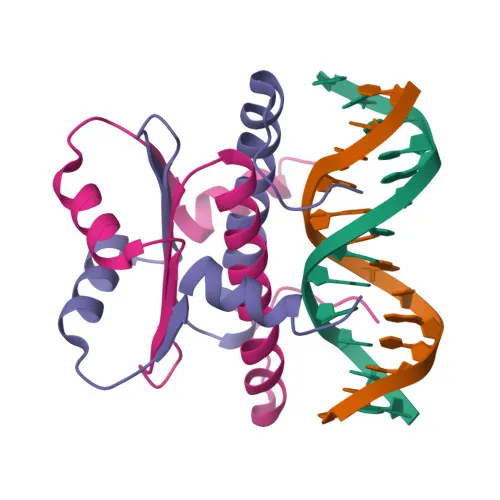
- MEF2D (Myocyte-specific enhancer factor 2D) is a member of the MEF2 family of transcription factors, characterized by an N-terminal MADS-box and MEF2 domain for DNA binding and dimerization.
- It binds specifically to the MEF2 element (5'-YTA[AT]4TAR-3') present in promoters of numerous muscle-specific, growth factor-induced, and stress-responsive genes.
- MEF2D mediates cellular functions critical for skeletal and cardiac muscle development, as well as neuronal differentiation and survival.
- The protein plays a role in the control of cell growth, survival, and apoptosis through p38 MAPK signaling, integrating muscle-specific and growth factor-related transcriptional programs.
- MEF2D localizes to the nucleus, consistent with its function as a transcription factor.
- Post-translational modifications include acetylation, phosphorylation, and ubiquitination (isopeptide bond formation), which regulate its activity and stability.
- Alternative splicing generates multiple isoforms, contributing to functional diversity.
- Additional keywords: developmental protein, neurogenesis, apoptosis, indicating its importance in development and disease.
Experimental Guidance and Technical Tips
- The immunogen corresponds to the C-terminal region (amino acids 431–521), which may help recognize multiple isoforms; however, validate specificity in your sample system.
- For Western blot, an expected band around 56 kDa should be detected; consider loading appropriate positive controls (e.g., HeLa, mouse heart lysate).
- In IHC, expect nuclear staining; optimize antigen retrieval and antibody dilution for your tissue type.
- For ELISA, use recombinant MEF2D protein as a standard and consider checking batch-to-batch consistency due to the polyclonal nature.
- Cross-reactivity with mouse and rat allows use in common model organisms, but confirm species-specific reactivity if needed.
CamelBio: Your One-Stop Sourcing Bridge
CamelBio partners with diagnostic manufacturers and research institutions to provide reliable access to IVD raw materials, including validated antibody pairs, optimized polyclonal antibodies, and bulk ancillary reagents. For MEF2D-related research in transcriptional regulation and developmental biology, we offer targeted sourcing support to help bridge the gap from concept to clinic. Whether you need established products or custom rare-target raw materials, our team is ready to assist.
REQUEST A QUOTE
Our professional team will reply to you within one business day. Please feel free to contact us!