Polyclonal Antibodies
Anti-MED1 Rabbit Polyclonal Antibody for WB, ELISA - Q15648
Item Number : CM0022941
Price varies based on specs and customizations
- Application
- WB, ELISA
- Cross Reactivity
- Human
- Protein Weight
- 168kDa

Shipping:
Contact us to get shipping details Enjoy On-time Dispatch Guarantee.
Why Choose Us
Easy ordering process, quality products, and dedicated support for your business success.
Core Product Specifications and Parameters
| Parameter | Value |
|---|---|
| Product Name | MED1 Rabbit pAb |
| Remarks/Alias | PBP; CRSP1; RB18A; TRIP2; PPARBP; CRSP200; DRIP205; DRIP230; PPARGBP; TRAP220; MED1 |
| Species | Human |
| Gene ID (Human) | 5469 |
| Gene ID | 5469 |
| Immunogen | Recombinant protein|Recombinant fusion protein containing a sequence corresponding to amino acids 1-300 of human MED1 (NP_004765.2). |
| Source | Rabbit |
| Category | Polyclonal Antibodies |
| Application | WB, ELISA |
| Cross Reactivity | Human |
| SWISS | Q15648 |
| Protein Weight | 168kDa |
| Shipping | Ice bag |
Biological Background: MED1 Function and Localization
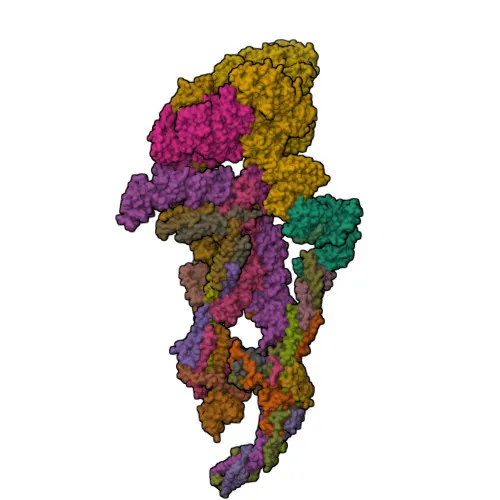
- MED1, also known as TRAP220, DRIP205, PBP, or RB18A, is a subunit of the Mediator complex, a multi-protein coactivator essential for regulated transcription by RNA polymerase II.
- It serves as a bridge, conveying regulatory signals from gene-specific transcription factors to the basal RNA polymerase II machinery, thereby facilitating the assembly of a functional preinitiation complex. Related references: PMID:10406464 PMID:11867769 PMID:12037571
- MED1 acts as a coactivator for GATA1-mediated transcriptional activation during erythroid differentiation, as demonstrated in K562 erythroleukemia cells. Related references: PMID:24245781
- The protein is predominantly localized in the nucleus, where it exerts its transcriptional coactivator function.
- MED1 is ubiquitously expressed across various tissue types.
- Post-translational modifications, including acetylation and phosphorylation, may regulate MED1 activity and its interactions within the Mediator complex. Additional features include alternative splicing and DNA-binding domains.
Experimental Guidance and Technical Tips
- The immunogen encompasses the N-terminal 1–300 amino acids of human MED1. This region may be well-exposed, making the antibody suitable for detecting full-length MED1 (approx. 168 kDa) in western blotting.
- Due to the large molecular weight of MED1, consider using a low-percentage acrylamide gel and optimized transfer conditions (e.g., extended transfer time) to ensure complete blotting.
- Validate antibody specificity in a relevant human sample system, such as nuclear extracts or cell lines expressing MED1.
- The ELISA application reported in the product specifications suggests potential use in quantitative assays; however, appropriate controls and standard curves should be established.
CamelBio: Your One-Stop Sourcing Bridge
CamelBio connects diagnostic manufacturers and research labs with high-quality IVD raw materials, including validated antibodies like this anti-MED1 polyclonal antibody, which supports transcription regulation and nuclear receptor research. Our extensive portfolio covers antibody pairs, optimized monoclonal and polyclonal antibodies, bulk ancillary reagents, and sourcing for rare targets, streamlining your transition from concept to clinic.
REQUEST A QUOTE
Our professional team will reply to you within one business day. Please feel free to contact us!