Monoclonal Antibodies
Anti-MECR Rabbit Monoclonal Antibody for WB, IHC-P, ELISA - Q9BV79
Item Number : CM0008276
Price varies based on specs and customizations
- Application
- WB, IHC-P, ELISA
- Cross Reactivity
- Human, Mouse, Rat
- Protein Weight
- 40kDa

Shipping:
Contact us to get shipping details Enjoy On-time Dispatch Guarantee.
Why Choose Us
Easy ordering process, quality products, and dedicated support for your business success.
Core Product Specifications and Parameters
| Parameter | Value |
|---|---|
| Product Name | MECR Rabbit mAb |
| Remarks/Alias | ETR1; NRBF1; CGI-63; FASN2B; DYTOABG |
| Species | Human |
| GeneID (Human) | 51102 |
| GeneID | 51102 |
| Immunogen | Recombinant Protein corresponding to a sequence within amino acids 54-373 of human MECR(NP_057095.4). |
| Source | Rabbit |
| Category | Monoclonal Antibodies |
| Application | WB, IHC-P, ELISA |
| Cross Reactivity | Human, Mouse, Rat |
| SWISS | Q9BV79 |
| Protein Weight | 40kDa |
| Shipping | Ice bag |
Biological Background: MECR Function and Localization
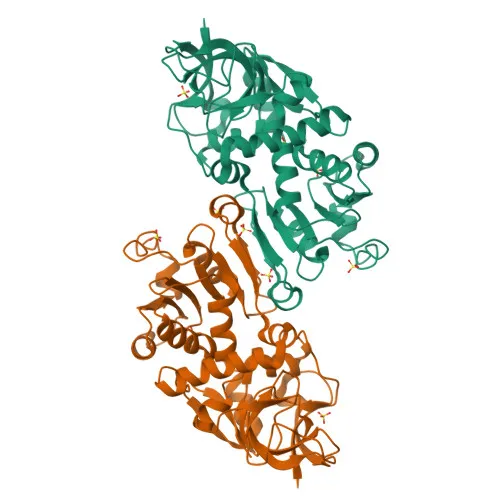
- MECR (also known as NBRF1, ETR1, NRBF1, CGI-63, FASN2B, DYTOABG) encodes mitochondrial enoyl-[acyl-carrier-protein] reductase, an oxidoreductase that catalyzes the NADPH-dependent reduction of trans-2-enoyl thioesters, a key step in the mitochondrial fatty acid synthesis (mtFAS) type II pathway. Related references: PMID:12654921 PMID:18479707 PMID:27817865
- The enzyme accepts both acyl carrier protein (ACP)- and CoA-linked substrates in vitro, displaying a preference for medium-chain substrates (C6–C12) over short- and long-chain thioesters. Related references: PMID:12654921 PMID:18479707 PMID:27817865
- MECR is thought to provide the octanoyl chain used for lipoic acid biosynthesis, thereby regulating protein lipoylation and mitochondrial respiratory activity, particularly in Purkinje cells (By similarity).
- It plays a role in iron homeostasis by influencing Fe-S cluster assembly and ceramide metabolism, and is required for proper mitochondrial morphology and bioenergetic functions. Related references: PMID:37653044
- The MECR protein primarily localizes to the mitochondrion, but has also been detected in the cytoplasm and nucleus.
- MECR is highly expressed in skeletal and heart muscle, with lower expression in placenta, liver, kidney, and pancreas, and weak or no expression in lung.
- Post-translational modifications include acetylation, and alternative splicing generates multiple isoforms; mutations in MECR are linked to dystonia.
Experimental Guidance and Technical Tips
- For Western blot, the predicted molecular weight is ~40 kDa. Optimize lysis buffers for mitochondrial proteins and use reducing SDS-PAGE. Consider heart or skeletal muscle lysates as positive controls, given high MECR expression.
- IHC-P: Perform heat-induced antigen retrieval; optimal dilution must be determined. Strong staining expected in human heart and skeletal muscle. Nucleocytoplasmic localization may be observed; validate with subcellular markers.
- ELISA: This antibody, raised against residues 54–373, may be suitable for sandwich ELISA when paired with a clone recognizing a distinct epitope. Test recombinant protein or tissue extracts.
- Cross-reactivity: The antibody reacts with human, mouse, and rat MECR, making it suitable for rodent studies. Verify in your sample matrix.
CamelBio: Your One-Stop Sourcing Bridge
CamelBio supports diagnostic manufacturers and research laboratories with a comprehensive portfolio of IVD raw materials and technical support from early development to commercialization. For mitochondrial metabolism and neurological disorder targets like MECR, we offer validated rabbit monoclonal antibodies, matched antibody pairs, and ancillary reagents in bulk quantities, streamlining your assay development and production workflows.
REQUEST A QUOTE
Our professional team will reply to you within one business day. Please feel free to contact us!