Polyclonal Antibodies
Anti-MBNL1 Polyclonal Antibody for WB and ELISA - Q9NR56
Item Number : CM0026895
Price varies based on specs and customizations
- Application
- WB, ELISA
- Cross Reactivity
- Mouse, Rat
- Protein Weight
- 42kDa

Shipping:
Contact us to get shipping details Enjoy On-time Dispatch Guarantee.
Why Choose Us
Easy ordering process, quality products, and dedicated support for your business success.
Core Product Specifications and Parameters
| Parameter | Value |
|---|---|
| Product Name | MBNL1 Rabbit pAb |
| Remarks/Alias | EXP; MBNL |
| Species | Human |
| Gene ID (Human) | 4154 |
| Gene ID | 4154 |
| Immunogen | Synthetic peptide corresponding to a sequence within amino acids 280-380 of human MBNL1 (NP_997176.1) |
| Source | Rabbit |
| Category | Polyclonal Antibodies |
| Application | WB, ELISA |
| Cross Reactivity | Mouse, Rat |
| SWISS | Q9NR56 |
| Protein Weight | 42kDa |
| Shipping | Ice bag |
Biological Background: MBNL1 Function and Localization
- Muscleblind-like protein 1 (MBNL1), also known as Triplet-expansion RNA-binding protein, is an RNA-binding protein that regulates alternative splicing of pre-mRNAs.
- MBNL1 can act as either an activator or repressor of splicing depending on the target; for example, it inhibits inclusion of cardiac troponin-T (TNNT2) exon 5 while promoting inclusion of the insulin receptor (IR) exon in muscle.
- It antagonizes the splicing activity of CELF proteins and competes with U2AF2 to regulate TNNT2 exon 5 skipping.
- MBNL1 binds to a consensus RNA sequence 5′-YGCU(U/G)Y-3′ and recognizes stem-loop structures, such as those in TNNT2 intron 4 and expanded CUG repeats.
- In vascular smooth muscle cells, MBNL1 cooperates with RBPMS and RBFOX2 to modulate alternative splicing. Related references: PMID:37548402
- Subcellularly, MBNL1 localizes to the nucleus, cytoplasm, and cytoplasmic granules.
- It is highly expressed in cardiac and skeletal muscle, with weaker expression in brain, placenta, lung, liver, kidney, and pancreas.
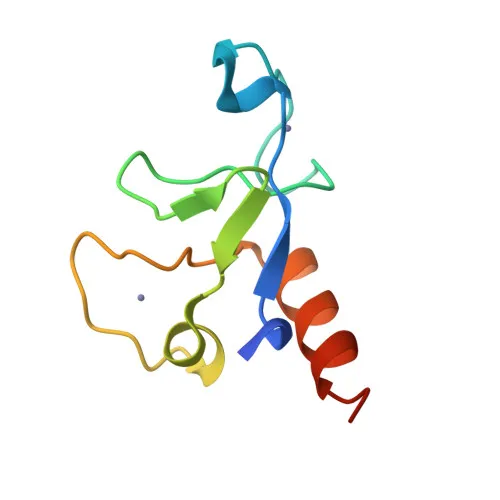
- The protein contains zinc finger domains, is subject to phosphorylation, and has been implicated in corneal dystrophy.
Experimental Guidance and Technical Tips
- The antibody is raised against a synthetic peptide spanning amino acids 280–380 of human MBNL1 (NP_997176.1). For Western blotting, consider using lysates from human, mouse, or rat muscle tissues, where MBNL1 is highly expressed.
- When setting up ELISA, titrate the antibody against the immunogen peptide as a positive control and validate against cell or tissue lysates to assess specificity.
- Owing to polyclonal nature, the antibody may recognize multiple epitopes; confirm specificity via knockdown or overexpression experiments in the relevant model system.
- Cross-reactivity with mouse and rat is reported; however, validate band patterns and signal intensity in each species independently.
CamelBio: Your One-Stop Sourcing Bridge
CamelBio serves as a comprehensive partner for diagnostic manufacturers and research laboratories, offering a streamlined supply of IVD raw materials from early development through clinical applications. Our portfolio includes validated antibody pairs, optimized polyclonal and monoclonal antibodies, bulk ancillary reagents, and custom sourcing for rare targets. For alternative splicing and muscle biology studies, this anti-MBNL1 antibody supports robust detection in WB and ELISA, and our team can assist with scaling your assay requirements.
REQUEST A QUOTE
Our professional team will reply to you within one business day. Please feel free to contact us!