Monoclonal Antibodies
Anti-MAP1LC3A Rabbit Monoclonal Antibody for WB, IHC-P, ELISA - Q9H492
Item Number : CM0005137
Price varies based on specs and customizations
- Application
- WB, IHC-P, ELISA
- Cross Reactivity
- Human, Mouse, Rat
- Protein Weight
- 14kDa

Shipping:
Contact us to get shipping details Enjoy On-time Dispatch Guarantee.
Why Choose Us
Easy ordering process, quality products, and dedicated support for your business success.
Core Product Specifications and Parameters
| Parameter | Value |
|---|---|
| Product Name | MAP1LC3A Rabbit mAb |
| Remarks/Alias | LC3; LC3A; ATG8E; MAP1ALC3; MAP1BLC3; MAP1LC3A |
| Species | Human |
| Gene ID (Human) | 84557 |
| Immunogen | Synthetic Peptide|A synthetic peptide corresponding to a sequence within amino acids 42-121 of human LC3A (Q9H492). |
| Source | Rabbit |
| Category | Monoclonal Antibodies |
| Application | WB, IHC-P, ELISA |
| Cross Reactivity | Human, Mouse, Rat |
| SWISS | Q9H492 |
| Protein Weight | 14kDa |
| Shipping | Ice bag |
Biological Background: MAP1LC3A Function and Localization
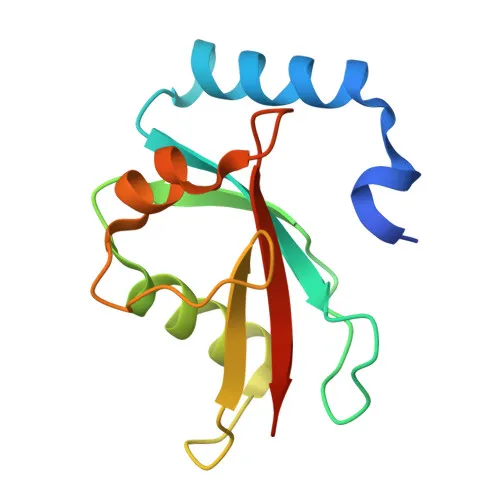
- MAP1LC3A, also known as LC3A, ATG8E, MAP1ALC3, MAP1BLC3, is a member of the autophagy-related protein family and plays a role in autophagosome formation.
- As a ubiquitin-like modifier, LC3A conjugates to phosphatidylethanolamine on the phagophore membrane, promoting its elongation and closure. (PubMed:20713600, PubMed:24290141) Related references: PMID:20713600 PMID:24290141
- Through interaction with the reticulophagy receptor TEX264, LC3A participates in the selective turnover of endoplasmic reticulum subdomains under nutrient stress (ER-phagy). (PubMed:31006537, PubMed:31006538) Related references: PMID:31006537 PMID:31006538
- LC3A localizes to autophagosome membranes, the cytoskeleton, and cytoplasmic vesicles, reflecting its dynamic role in autophagy.
- It is most abundant in heart, brain, liver, skeletal muscle, and testis, but absent from thymus and peripheral blood leukocytes.
- Post-translational modifications, including lipidation and phosphorylation, regulate LC3A's membrane association and autophagy flux.
- The GABARAP/GATE-16 subfamily acts at a later stage of autophagosome maturation, distinct from LC3s' role in early membrane elongation. (PubMed:20713600) Related references: PMID:20713600
Experimental Guidance and Technical Tips
- The immunogen corresponds to a unique sequence (aa42–121) of human LC3A, which may confer isoform specificity; cross-reactivity with LC3B/C should be experimentally verified.
- For Western blot, a band at ~14 kDa (LC3A-I) and a faster migrating band (LC3A-II) can be expected; confirm specificity using knockout cell lines or siRNA knockdown.
- For IHC-P, consider antigen retrieval methods (e.g., citrate buffer) and validate staining with appropriate positive (heart, brain) and negative (thymus) tissue controls.
- ELISA application may require careful optimization of coating and detection conditions; cross-reactivity testing against recombinant LC3 isoforms is advisable.
CamelBio: Your One-Stop Sourcing Bridge
CamelBio offers diagnostic manufacturers and researchers a reliable, one-stop sourcing solution for IVD raw materials. This MAP1LC3A rabbit monoclonal antibody supports autophagy research and assay development. Beyond single antibodies, CamelBio can supply validated antibody pairs, bulk ancillary reagents, and custom rare-target sourcing to accelerate your projects.
Product Datasheet
Anti-MAP1LC3A Rabbit Monoclonal Antibody for WB, IHC-P, ELISA - Q9H492
REQUEST A QUOTE
Our professional team will reply to you within one business day. Please feel free to contact us!